24 Jun 2026
API Bridges Connecting Virtual Carts to Financial Institutions for Niche Retail Checkouts
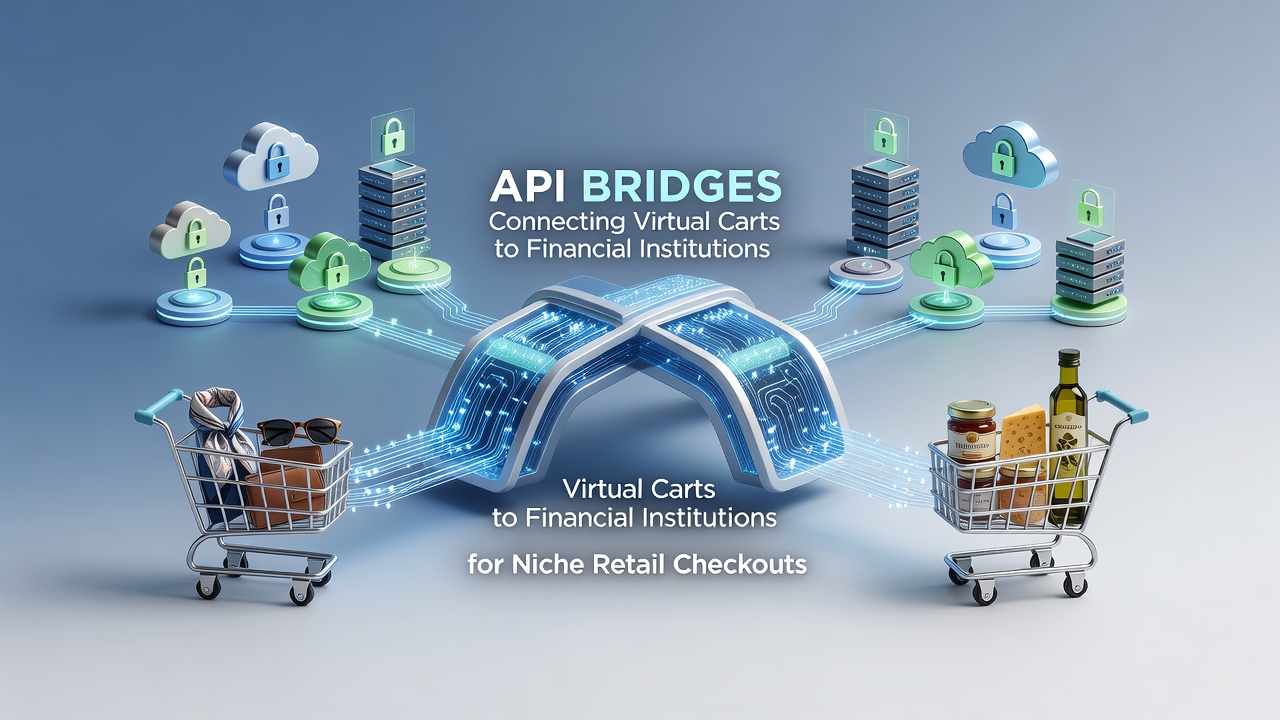
Specialized retailers operating in focused market segments rely on API bridges to link their virtual shopping carts directly with banking systems and this connection streamlines authorization while supporting real-time settlement processes. These interfaces transmit transaction details such as item descriptions, amounts and customer verification data from e-commerce platforms to financial institutions without requiring separate payment gateways in many cases. Data from industry reports indicates that such integrations reduce processing steps by combining cart functionality with core banking protocols and this approach proves especially useful for vendors handling unique product lines where standard checkout flows fall short.
Core Mechanics Behind API Connections
Developers build these bridges using standardized protocols that allow secure data exchange between retail software and bank servers while encryption layers protect sensitive information throughout the transfer. When a customer completes a purchase in a niche store's virtual cart the API sends encrypted payloads containing order specifics and account credentials to the linked financial institution for immediate validation and this step occurs in milliseconds during peak shopping periods. Observers note that institutions like those regulated under frameworks from the Federal Reserve have expanded support for these connections since early implementations focused on high-volume sectors and niche applications followed soon after.
Retailers in areas such as artisanal goods or specialty equipment often integrate these APIs through their platform providers and the process involves mapping cart fields to banking data structures for accurate matching. Studies from academic sources show that error rates drop when APIs include built-in reconciliation tools that flag discrepancies before they reach settlement stages and this feature helps smaller operations maintain compliance without dedicated IT teams.
Applications in Targeted Retail Environments
Niche checkout scenarios benefit when virtual carts connect through these bridges because financial institutions gain direct visibility into transaction patterns that inform risk assessments and funding decisions. A boutique seller of custom textiles for instance can route payments through an API that pulls inventory data alongside payment details and this combined information supports faster approvals compared to isolated systems. Research indicates adoption rates climbed steadily as platforms standardized their endpoints and by June 2026 multiple banks had rolled out updated specifications that accommodated variable pricing models common in specialty markets.
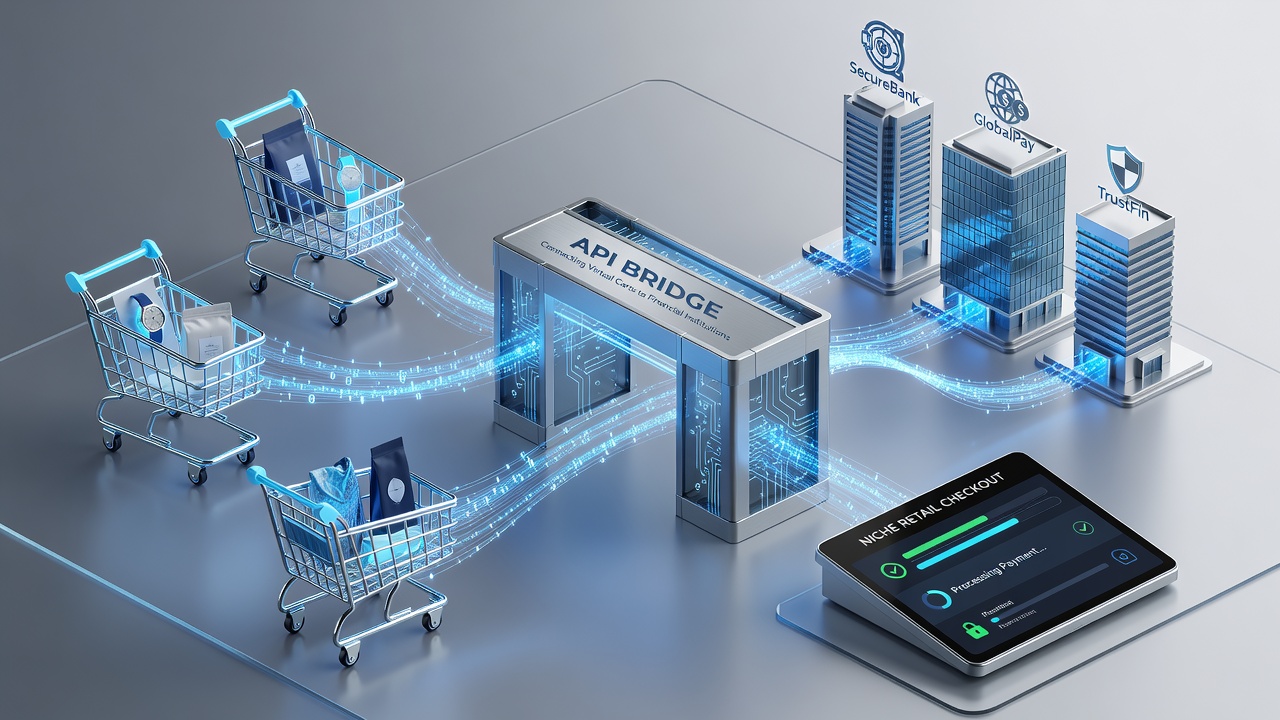
Those managing regional vendor networks report smoother operations once the bridges handle currency conversions or tax calculations internally before forwarding to the institution and this reduces manual interventions at the checkout stage. Figures from trade analyses reveal that shops using such direct links experience fewer abandoned carts since processing times shorten and customers receive instant confirmations tied to verified accounts.
Security and Compliance Considerations
Financial institutions enforce authentication requirements on these API bridges through token-based systems that limit access to authorized sessions only and this setup aligns with broader regulatory expectations across different jurisdictions. Experts at organizations including the Bank for International Settlements have documented how these protocols limit exposure by segmenting data flows and preventing full account details from passing through retail servers. Niche retailers gain from this because their specialized checkouts avoid storing payment credentials locally while still achieving verified transactions.
Updates scheduled around mid-2026 introduced additional verification layers for cross-border niche sales and these enhancements addressed varying data residency rules in multiple regions. Retailers who implemented the changes early found that their virtual systems maintained uninterrupted service during the transition periods according to platform usage logs shared in industry forums.
Integration Patterns and Platform Support
Many e-commerce solutions now include native API modules designed specifically for connections to financial institutions and these modules allow customization for product categories that carry unique identifiers or warranty details. Developers test these setups against sample transactions before live deployment and the process ensures compatibility with banking response formats that include status codes and settlement timelines. Data compiled by research groups highlights that platforms serving craft and hobby markets adopted these features at higher rates than general retailers because their customers often expect seamless payment experiences tied to personalized orders.
Case examples from vendor communities demonstrate how a single API bridge can serve multiple carts across different sites while routing everything to one primary financial account and this centralization simplifies reconciliation for operators managing several niche lines simultaneously.
Conclusion
API bridges continue to evolve as connectors between virtual retail environments and financial institutions with particular value for niche checkouts that demand precise data handling and rapid verification. Continued refinements through 2026 and beyond support expanded use cases while maintaining security standards established by oversight bodies and this progression enables specialized retailers to operate with direct access to institutional processing capabilities.