23 Aug 2026
Connecting Verification Protocols in Multi-Platform Sales to Enhanced Operational Support for Digital Vendors

Verification protocols in multi-platform sales environments connect transaction checks across marketplaces, websites, and apps, and these connections feed directly into operational support systems that digital vendors rely on for daily management. Researchers have documented how standardized verification steps, including identity confirmation and transaction matching, reduce discrepancies that otherwise require manual intervention from support teams.
Data from e-commerce integration studies shows that platforms using unified verification reduce error rates in order processing by aligning records from separate sales channels into a single operational view. Vendors operating on multiple sites gain access to dashboards that update in real time once verification completes, which allows support staff to address inventory adjustments and customer queries without switching between disconnected systems.
Verification Standards Across Platforms
Protocols such as API-based identity checks and cross-platform data matching have expanded since 2024, and by August 2026 several major marketplaces adopted updated frameworks that require consistent verification before order confirmation. These updates link sales data from third-party sites directly to vendor backend tools, creating automated alerts when mismatches appear. Observers note that vendors using these linked systems experience fewer delays in fund releases because verification clears orders faster across all channels.
Studies from academic sources on digital marketplaces indicate that consistent verification protocols improve the accuracy of fulfillment data shared with logistics partners. When verification occurs at the point of sale on each platform, operational support teams receive verified order details that integrate with warehouse management software without additional reconciliation steps.
Operational Benefits for Digital Vendors
Enhanced operational support emerges when verification protocols feed verified transaction data into vendor analytics and compliance modules. This flow supports automated reporting that meets requirements from regulatory bodies in different regions, including frameworks outlined by the European Commission on digital services. Vendors receive consolidated reports that combine sales from various platforms, which simplifies tax preparation and audit responses.
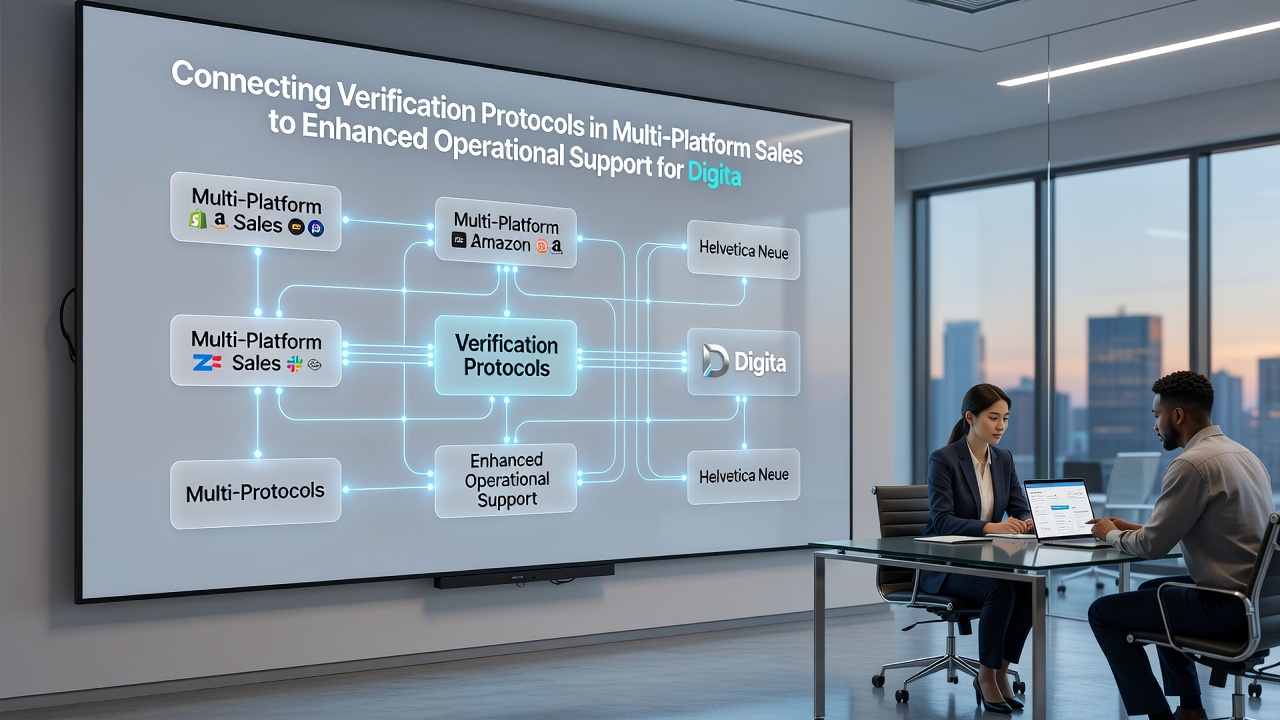
Case examples from vendors in North America and Asia demonstrate that platforms with integrated verification cut support ticket resolution times because staff access pre-verified customer and order information. The process reduces duplicate entries that previously slowed responses to delivery issues or payment inquiries. Research indicates that these efficiencies scale as vendors add more sales channels, since new platforms inherit the same verification rules rather than requiring separate setups.
Integration Challenges and Solutions
Multi-platform environments present compatibility issues when verification protocols differ between systems, yet middleware solutions have addressed many of these gaps by translating data formats during transfer. Industry reports from organizations such as the National Institute of Standards and Technology detail how standardized verification methods support smoother data exchange between sales platforms and operational tools. Vendors who implement these connectors report steadier system uptime and fewer interruptions in support workflows.
Training programs for vendor support teams now emphasize understanding verification outputs rather than manual data entry, which shifts focus toward exception handling and customer communication. Figures from platform adoption surveys reveal that vendors completing verification training see measurable drops in operational errors tied to mismatched records.
Future Developments in Verification Connectivity
Developments scheduled for late 2026 include expanded use of machine-readable verification certificates that travel with each order across platforms. These certificates allow operational support systems to validate order legitimacy without rechecking source data, which further streamlines processes for vendors managing high transaction volumes. Government agencies in Australia and Canada have published guidance encouraging adoption of such connected verification methods to support cross-border digital sales.
Evidence from pilot programs shows that vendors integrating these future protocols experience improved coordination between sales verification and backend support functions, including faster resolution of fulfillment exceptions and more precise inventory forecasting based on verified orders.
Conclusion
Verification protocols tied to multi-platform sales continue to shape operational support structures for digital vendors through direct data flows and automated processes. As frameworks evolve in 2026, the connection between verification completion and support efficiency remains a measurable factor in how vendors manage expanding sales networks across regions.