3 Jun 2026
Craft Sellers' Digital Footprints: The Path from Secure Checkouts to Funding Eligibility
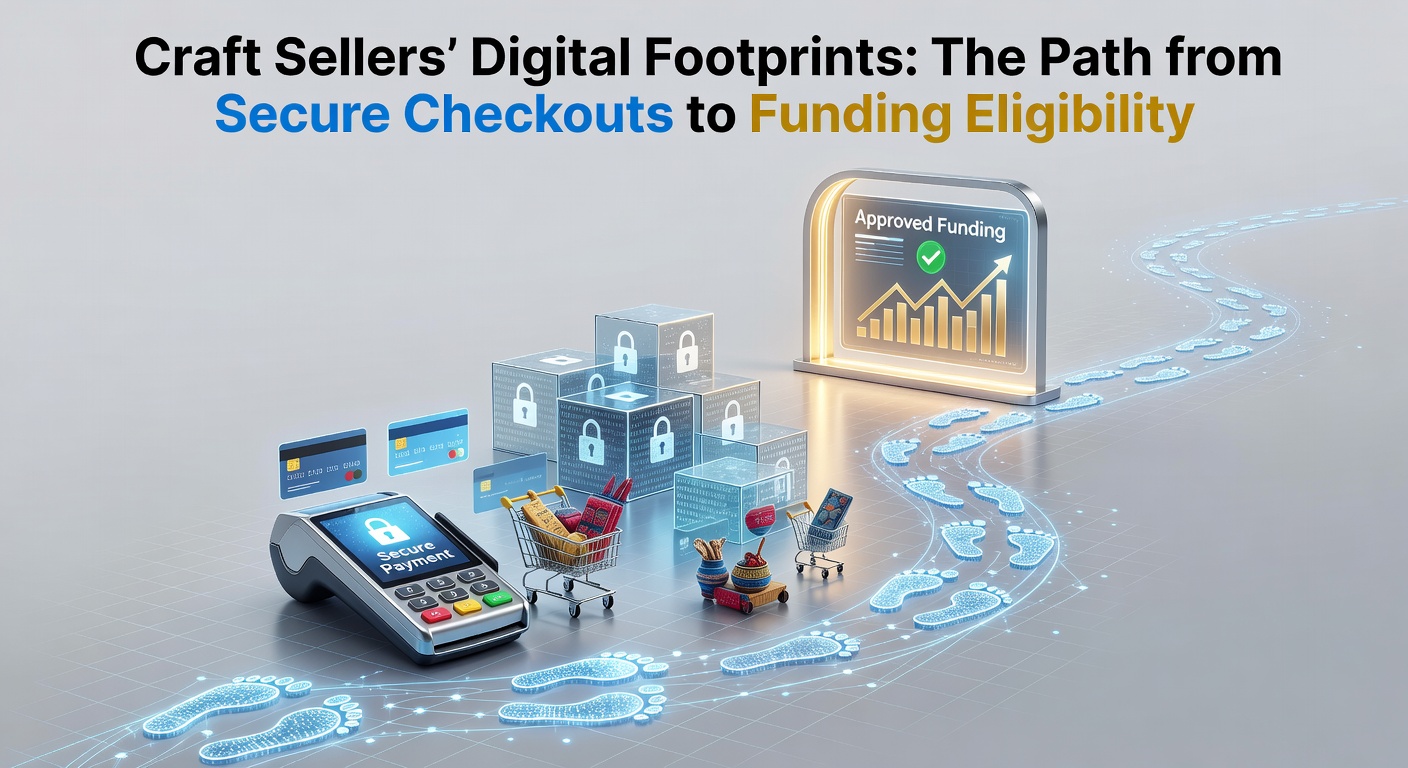
Craft sellers who maintain online storefronts generate extensive records through every completed purchase, and these digital trails now serve as key indicators for lenders evaluating funding requests. Secure checkout systems capture details such as transaction volume, customer retention patterns, and payment verification outcomes, which together form a profile that financial institutions review when assessing loan eligibility.
Secure Checkout Systems and Data Collection
Many craft vendors integrate payment gateways that comply with established security standards, and these platforms record each sale with timestamps, amounts, and authentication methods. The resulting dataset extends beyond simple totals because it includes frequency of repeat buyers along with geographic distribution of orders, and observers note that such granularity allows underwriters to distinguish seasonal fluctuations from consistent performance. As of June 2026, industry reports show increased adoption of encrypted checkout flows among independent makers, which in turn supplies cleaner datasets for automated analysis tools.
From Transaction Logs to Funding Signals
Lenders increasingly incorporate point-of-sale and e-commerce histories when determining merchant cash advances or term loans, and craft sellers benefit when their records demonstrate steady inflows without excessive chargeback activity. Data from platforms that aggregate sales information reveal that businesses displaying low dispute rates and predictable weekly volumes often receive faster approval decisions, while those with irregular patterns encounter additional documentation requests. Researchers at academic institutions have documented correlations between verified digital footprints and reduced default rates in small-scale retail sectors, and this evidence supports the use of transaction-derived metrics alongside traditional credit scores.
Regional Examples and Platform Variations
Take one artisan collective in Canada that migrated its sales records to a unified dashboard in early 2025; the group subsequently qualified for an equipment financing package after lenders examined twelve months of verified checkouts. Similar patterns appear among European makers who utilize region-specific compliance frameworks, where transaction authentication logs satisfy both data-protection rules and investor due-diligence requirements. Observers note that differences in regulatory environments across jurisdictions influence which data points receive the most weight during reviews, and craft sellers operating across borders must therefore maintain records that satisfy multiple standards simultaneously.
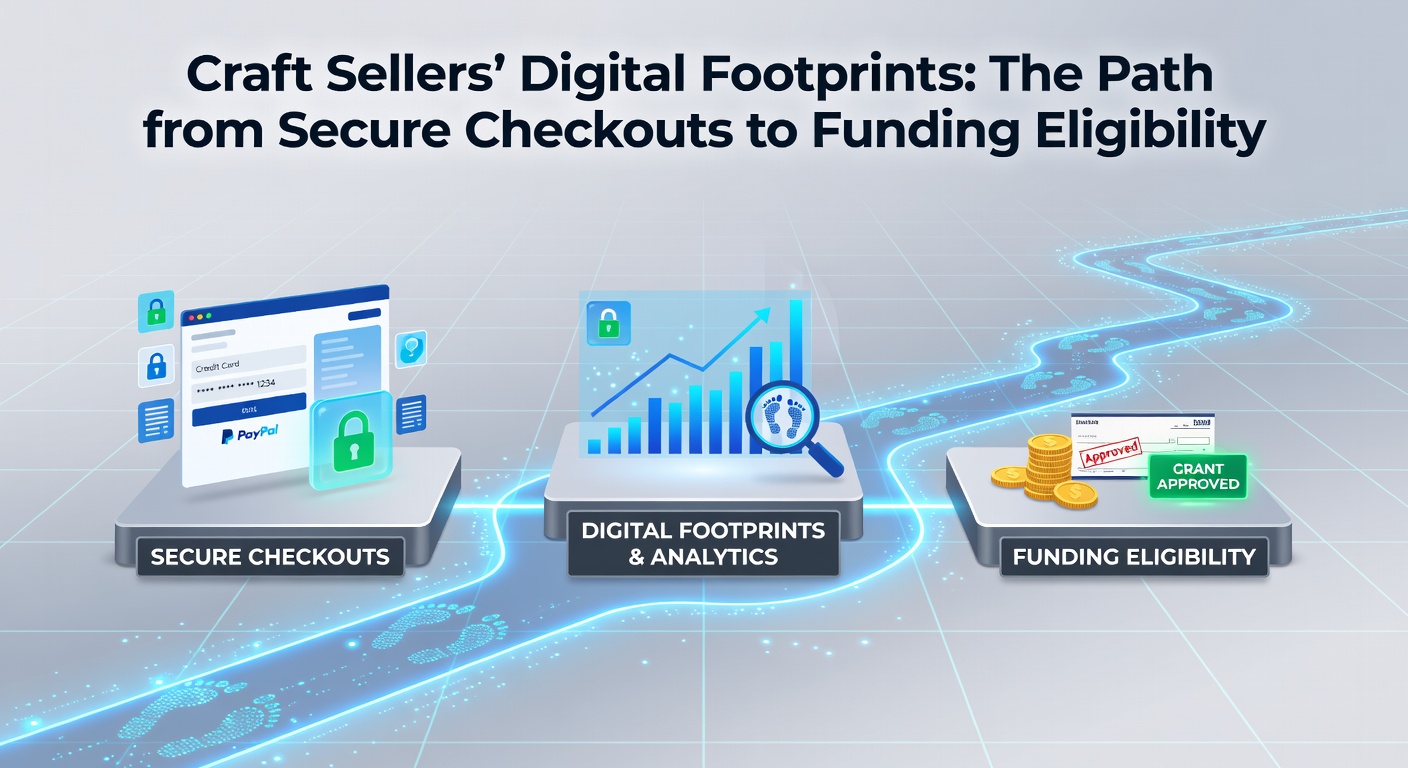
Security Measures That Strengthen Footprints
Encryption protocols and token-based authentication reduce the risk of data breaches during checkout, and vendors who implement these measures produce records that lenders view as more reliable. When payment information remains protected throughout the transaction lifecycle, the resulting logs contain fewer anomalies, which simplifies automated scoring models. Studies conducted by research organizations indicate that sellers employing multi-factor verification experience fewer interruptions in their sales data streams, and uninterrupted streams translate directly into clearer eligibility assessments.
Documentation Practices for Capital Access
Craft sellers who export monthly summaries of their checkout activity often accelerate the application process, and these summaries typically include average order value, peak sales periods, and customer acquisition costs derived from platform analytics. Financial institutions cross-reference such exports against bank statements, and matches between the two sources strengthen confidence in the applicant's reported performance. According to guidance issued by the U.S. Small Business Administration, consistent digital records help demonstrate repayment capacity for micro-enterprises that lack extensive traditional credit histories.
Yet compliance with data-retention policies remains essential, because lenders may request historical exports spanning multiple years. Vendors who organize archives by quarter and maintain original gateway confirmations reduce delays during underwriting, and this organization also supports audits when required by investors or grant programs.
Conclusion
Craft sellers who prioritize secure checkout infrastructure accumulate digital footprints that directly influence funding eligibility, and the connection between verified transaction data and capital access continues to evolve alongside payment technology. Those who maintain organized, authenticated records position themselves to meet lender criteria more efficiently, while platforms that supply exportable analytics further streamline the evaluation process. The pathway from secure sales to financing approval therefore rests on consistent data quality rather than isolated metrics, and vendors who treat their transaction histories as strategic assets gain measurable advantages in competitive lending environments.