15 Jul 2026
Data Verification Processes In Mobile Transaction Systems Paving Ways For Specialized Financing In Local Commerce Networks
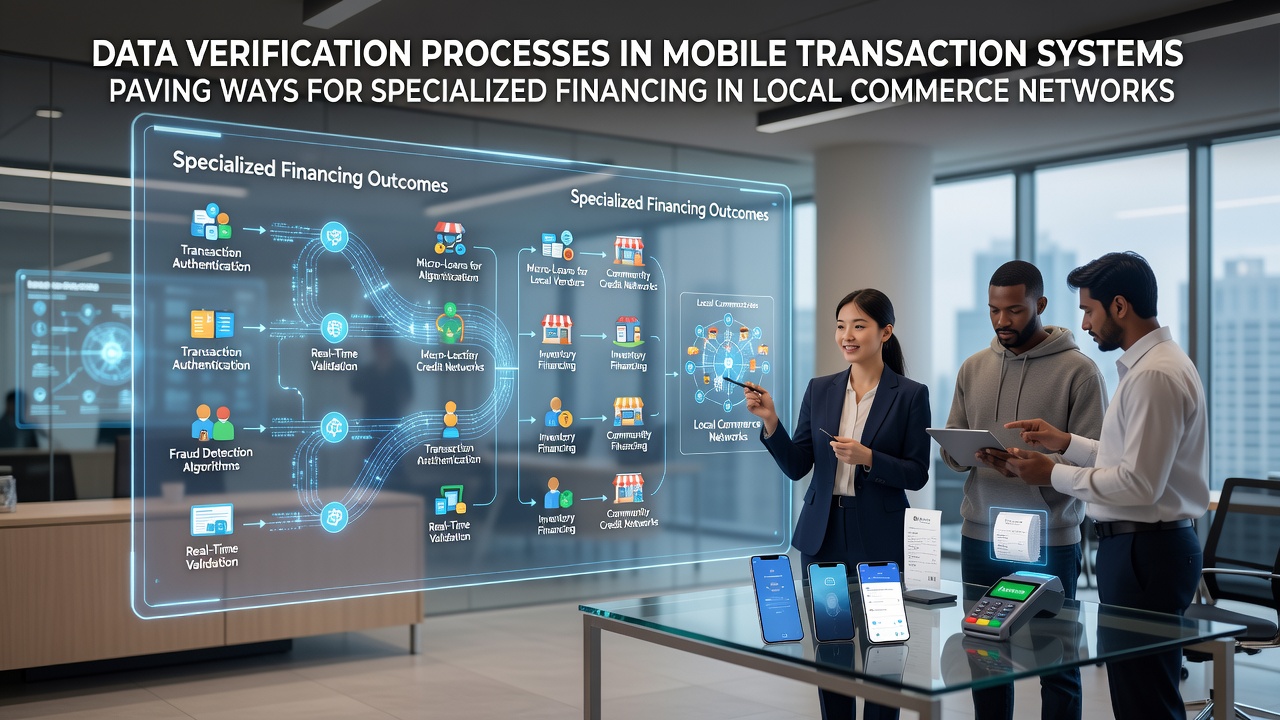
Local commerce networks rely on mobile transaction systems where data verification processes confirm transaction accuracy before records reach financing platforms and these steps create structured datasets that specialized lenders examine when assessing merchant eligibility for tailored funding products. Verification begins with device authentication followed by multi-layer checks on transaction details including amount, location, and user credentials which together establish a reliable chain of custody for each payment event.
Core Verification Mechanisms in Mobile Systems
Systems perform real-time validation through cryptographic hashing and cross-referencing against known device profiles while additional layers confirm that the transaction originates from authorized endpoints rather than spoofed sources. Observers note that such protocols reduce discrepancies in merchant records and this consistency matters because financing entities require complete datasets when calculating risk scores for businesses operating in neighborhood retail clusters or pop-up vendor environments. Data flows from mobile point-of-sale applications into centralized ledgers where automated scripts flag anomalies such as mismatched timestamps or unusual velocity patterns before any record advances to underwriting teams.
Integration with Financing Decision Models
Specialized financing programs draw directly from verified mobile transaction streams to build profiles of cash-flow stability and local vendors gain access to capital when their histories demonstrate consistent verification success rates across multiple payment cycles. Research from institutions such as the European Central Bank indicates that verified datasets improve predictive accuracy for repayment timelines and this holds true particularly in regional networks where merchants handle fluctuating daily volumes tied to community events or seasonal markets. Verification outputs include timestamps, geolocation stamps, and merchant identifiers that financing algorithms weight alongside traditional credit indicators.
One study released in July 2026 highlighted how verification completeness correlates with faster approval cycles for niche loans aimed at food-truck operators and craft-market vendors in mid-sized cities across North America and Europe. Those who've examined the pipelines report that incomplete verification leads to data gaps which financing platforms automatically exclude from consideration and this exclusion narrows options for smaller operators who otherwise maintain steady transaction volumes.

Regional Patterns and Implementation Examples
Across Asia-Pacific markets regulators track verification standards through frameworks issued by bodies like the Monetary Authority of Singapore and these guidelines shape how mobile operators structure their data pipelines for downstream financing use. Local commerce networks in those regions show higher adoption rates when verification includes biometric confirmation steps because such measures produce datasets that lenders view as lower-risk inputs for product customization. In contrast North American systems often emphasize batch reconciliation processes after each business day and the resulting verified aggregates feed into scoring models used by community development financial institutions.
What's interesting is how verification failures trigger immediate alerts that prevent faulty records from entering financing evaluations and this safeguard protects both merchants and capital providers from decisions based on corrupted information. Data shows that networks incorporating end-to-end verification experience fewer disputes over transaction legitimacy which in turn supports smoother access to revolving credit lines designed for inventory restocking in boutique retail settings.
Technical Components Supporting Data Integrity
Mobile transaction platforms deploy token-based identifiers and dynamic encryption keys that rotate per session while backend servers run continuous integrity checks against these tokens before storing final records. Such components ensure that financing applications receive datasets free from duplication or alteration and this quality matters when local commerce lenders evaluate applications from vendors whose sales occur across multiple mobile devices during a single market day. Reports from academic centers including those affiliated with the University of Toronto have documented measurable improvements in model precision when verified mobile data replaces unprocessed transaction logs.
Merchants in local networks often discover that maintaining high verification pass rates opens pathways to customized repayment schedules aligned with their weekly sales patterns and this alignment stems directly from the granular detail captured during each mobile transaction. Patterns emerge when verification includes cross-device matching and those patterns help financing platforms distinguish between genuine growth signals and temporary spikes caused by external factors such as nearby events.
Conclusion
Data verification processes within mobile transaction systems supply the foundational records that specialized financing programs need to evaluate and serve local commerce networks effectively. The mechanisms described create traceable, high-integrity datasets that reduce uncertainty for capital providers while expanding options for merchants who operate outside conventional banking channels. Continued refinement of these verification layers supports ongoing connections between daily mobile activity and tailored funding products across diverse regional markets.