21 Aug 2026
Embedded Finance Loops in Transit Ticketing Systems Shape Liquidity Access for Independent Route Operators
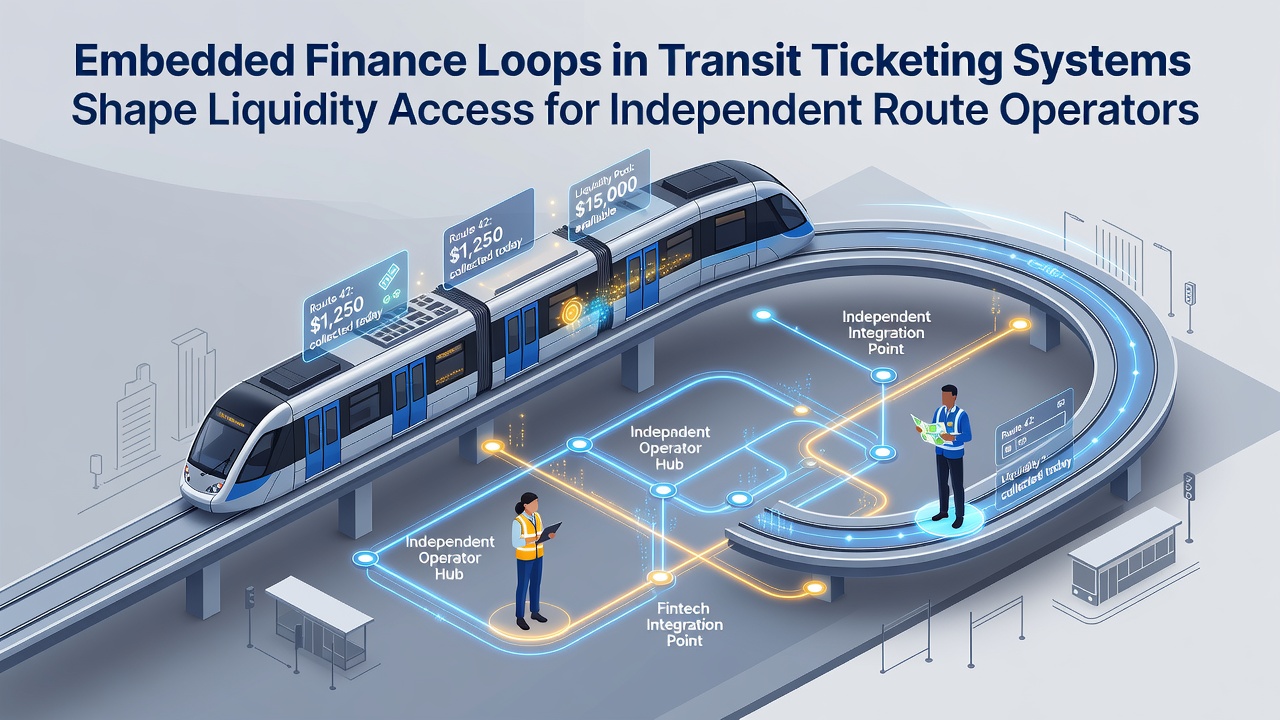
Transit ticketing platforms now embed financial services directly into fare collection processes, and independent route operators gain access to liquidity through these integrated loops rather than traditional lending channels. Data from ticket sales flows continuously into financing models that release funds based on verified transaction volumes, and operators in urban and regional networks use these mechanisms to cover fuel costs, maintenance, and driver wages without waiting for bank approvals.
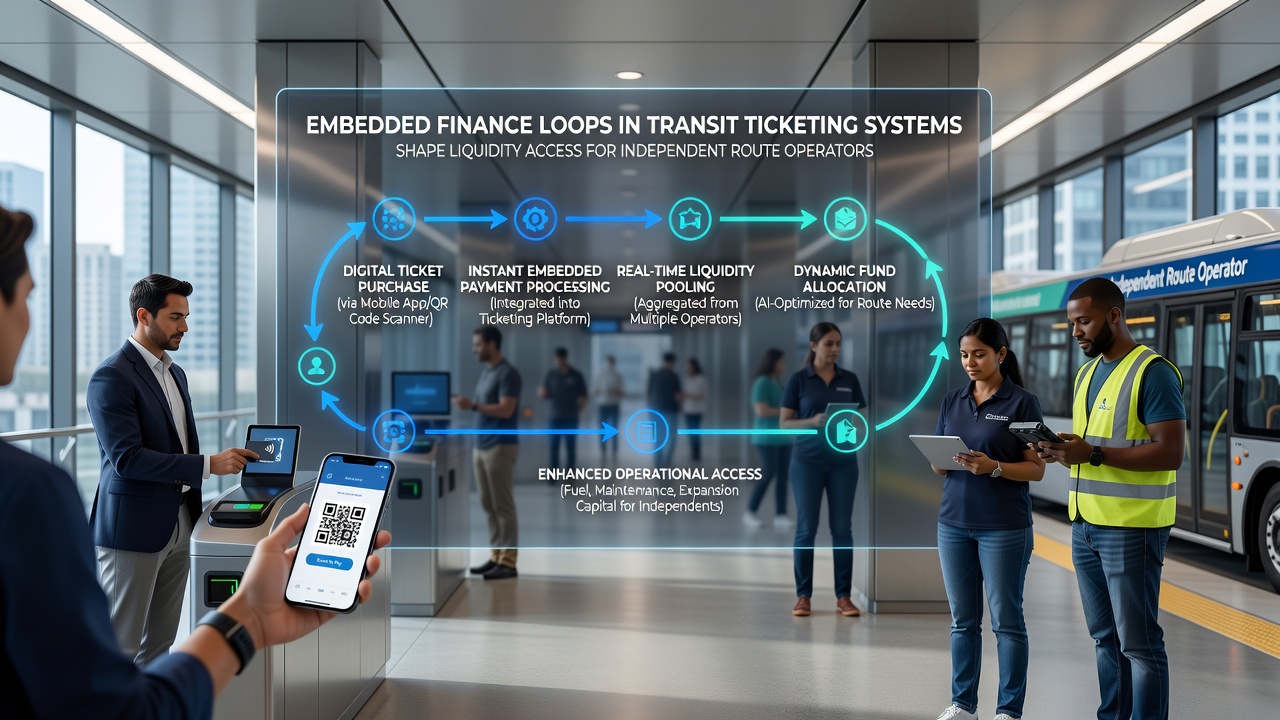
How Embedded Loops Connect Sales Data to Funding
Systems capture passenger payments at the point of entry, then route aggregated records into algorithms that assess cash flow patterns in real time. Independent operators receive advances calculated against upcoming fare collections, and settlement occurs within hours or days instead of weeks. Research from the International Transport Forum indicates that such loops reduce average cash conversion cycles by 18 days across mid-sized fleets operating in mixed public-private corridors.
Operators log routes through mobile validation units that sync with central ledgers, and each validated trip contributes to a rolling liquidity score. When scores meet thresholds, automated disbursements cover operational shortfalls while operators maintain service schedules. Figures from the Australian Bureau of Infrastructure and Transport Research Economics show that fleets adopting these loops reported a 22 percent increase in on-time payment rates to suppliers during the first half of 2026.
Regional Patterns Emerging in August 2026
European operators in secondary cities have integrated ticketing loops with municipal subsidy systems, which allows small firms running feeder routes to draw against both fare revenue and confirmed public payments. Canadian provincial transport authorities documented similar setups where independent contractors on intercity segments use ticket data to secure bridge financing ahead of seasonal ridership shifts. These arrangements rely on standardized data formats that prevent double-counting of transactions across multiple jurisdictions.
Operational Adjustments Among Small Fleets
Independent operators adjust scheduling and pricing after reviewing liquidity forecasts generated by the embedded systems, and they align vehicle deployment with projected advance releases. One fleet manager overseeing routes between secondary towns noted that daily ridership reports now feed directly into cash planning tools, reducing reliance on high-interest short-term credit lines. Studies compiled by the University of Leeds Institute for Transport Studies found that operators employing these loops maintained vehicle utilization rates 11 percent above those still dependent on manual reconciliation processes.
Data validation occurs at multiple checkpoints within the ticketing architecture, and discrepancies trigger automatic holds until operators submit supporting manifests. This structure limits over-advancement while preserving access for firms that demonstrate consistent passenger volumes. Observers tracking Southeast Asian corridor operators report that such safeguards have kept default rates below 4 percent even as overall financing volumes grew through the summer of 2026.
Integration with Existing Regulatory Frameworks
Transport regulators in several jurisdictions now require embedded finance providers to share anonymized transaction datasets with oversight bodies, which supports monitoring of service continuity among smaller operators. The framework ensures that liquidity facilities tied to ticketing do not circumvent consumer protection rules on fare transparency. Reports issued by the European Commission Directorate-General for Mobility and Transport highlight that standardized audit trails from these loops have simplified compliance checks for operators holding multiple route permits.
Independent firms often combine loop-based advances with insurance products that cover revenue shortfalls during disruptions, and the combined instruments stabilize cash positions across variable demand periods. Analysts tracking Latin American interurban services note that bundled offerings have allowed operators to expand fleet sizes without increasing external debt ratios.
Conclusion
Embedded finance loops continue to tie verified ticket sales directly to liquidity provisions for independent route operators, and the resulting access patterns appear across diverse regulatory environments. Ongoing refinements in data integration and validation protocols support wider adoption while maintaining safeguards against overextension. Operators who align scheduling and reporting practices with these systems sustain service levels that meet both passenger expectations and supplier obligations.