14 Aug 2026
Encrypted Receipt Trails Guiding Niche Vendor Capital Terms Through Gateway Analytics
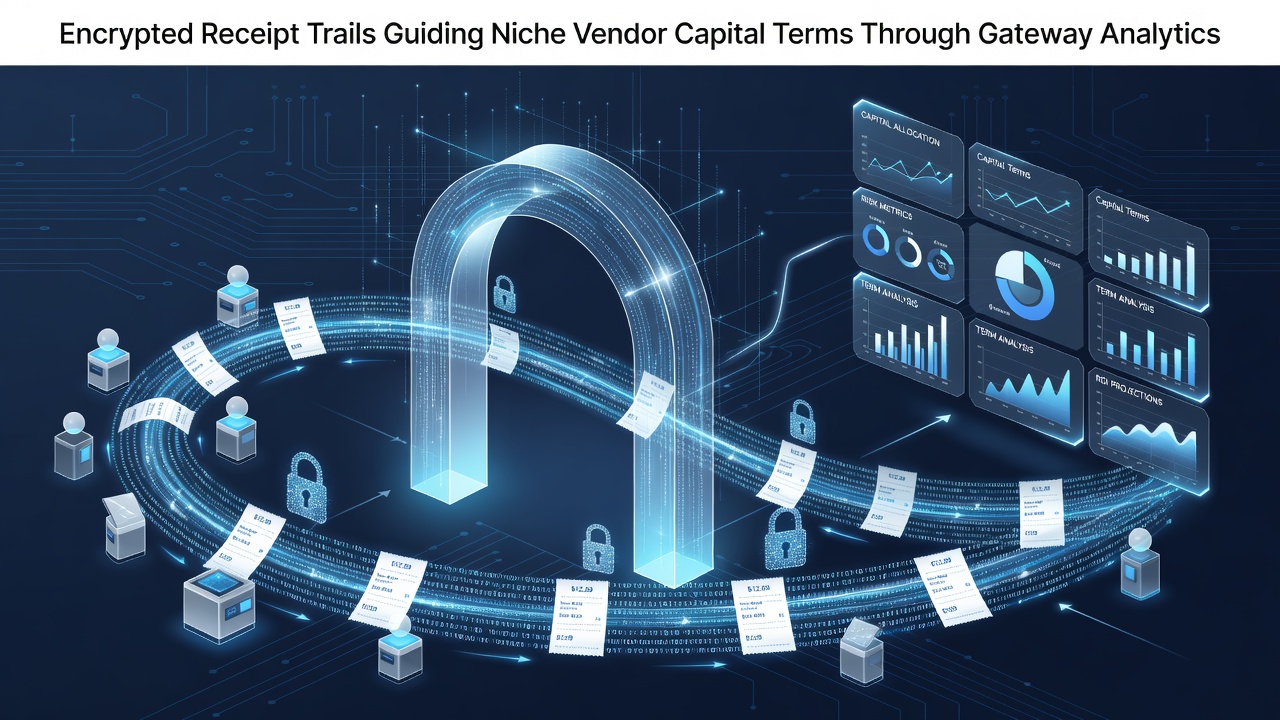
Payment gateways now capture encrypted receipt trails that convert transaction details into structured datasets for credit assessment models used by alternative lenders. These trails include timestamps, amounts, merchant categories, and verification codes, all protected by end-to-end encryption protocols that meet current PCI DSS standards. Analysts at gateway providers process the anonymized aggregates to generate risk scores that influence loan amounts, interest rates, and repayment schedules offered to niche vendors such as specialty food producers and regional artisans.
Encryption Standards Protecting Transaction Records
Modern gateways apply AES-256 encryption combined with tokenization layers before any receipt data leaves the point of sale device. Observers note that this approach prevents direct exposure of cardholder information while preserving metadata patterns essential for trend analysis. Research from the European Central Bank indicates that encrypted datasets grew by 34 percent between 2024 and 2025 among small business acquirers across member states. The resulting trails feed into analytics platforms that identify seasonal revenue cycles and repeat customer frequency without decrypting individual entries.
Analytics Platforms Turning Trails into Capital Metrics
Gateway analytics engines apply machine learning classifiers to encrypted receipt streams, extracting variables such as average ticket size, refund ratios, and cross-channel consistency. These classifiers operate on hashed identifiers that allow longitudinal tracking while complying with data minimization rules. One study released by the Bank of Canada in late 2025 demonstrated that vendors using gateways with integrated analytics saw approval rates for working capital facilities rise from 41 percent to 67 percent when their receipt patterns showed stable weekly volumes above a defined threshold. The models weigh factors like geographic concentration of sales and time-between-transaction intervals to refine term sheets presented to lenders.
Application to Niche Vendor Financing Decisions
Niche vendors operating in categories such as handcrafted goods or localized wellness products often lack traditional credit histories, making receipt-based signals particularly valuable. Gateway reports delivered to financing partners quantify cash flow predictability through metrics derived solely from encrypted trails. Data released by the Reserve Bank of Australia in early 2026 showed that vendors submitting six months of gateway analytics received capital offers with average interest reductions of 2.8 percentage points compared with those relying on bank statements alone. Lenders integrate these reports into underwriting workflows that adjust advance rates based on volatility scores calculated from receipt timestamps and category codes.
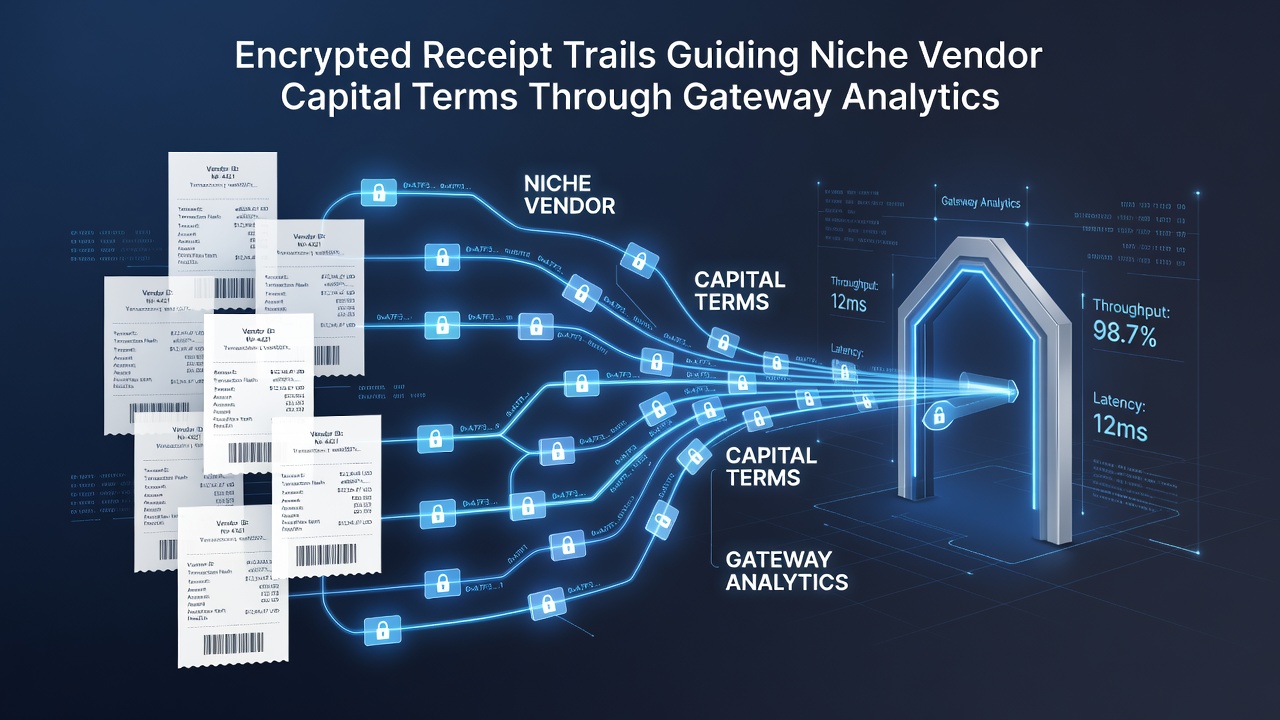
Implementation timelines shifted noticeably after new interoperability guidelines took effect in August 2026, requiring gateways to support standardized export formats for encrypted receipt summaries. These formats allow direct ingestion into third-party scoring platforms without exposing raw card data. Vendors in boutique retail networks have since reported faster funding cycles, with some receiving term proposals within 48 hours of submitting their gateway dashboard exports. The guidelines also mandate audit logs that track every analytics query performed on the trails, creating an additional layer of accountability for both gateways and capital providers.
Case Examples from Regional Markets
Take one cooperative of Pacific Northwest jam makers that connected its point-of-sale system to a gateway offering receipt analytics in 2025. The resulting dataset revealed consistent weekend spikes in direct-to-consumer sales that traditional monthly statements had obscured. Financing partners used the pattern data to structure a revolving facility sized to inventory purchase cycles, and the cooperative accessed its first advance within three weeks. Similar outcomes appear in reports covering Canadian prairie grain vendors and Australian surf-equipment retailers, where receipt-derived stability indicators influenced supplier credit limits as well as loan pricing.
Regulatory and Technical Developments Through 2026
Updated encryption requirements rolled out across multiple jurisdictions in August 2026 emphasized quantum-resistant algorithms for long-term receipt trail storage. Gateway operators responded by upgrading their key management systems while maintaining backward compatibility for existing analytics dashboards. Industry groups tracking these changes report that compliance costs for smaller gateways rose modestly, yet the enhanced security posture encouraged more lenders to accept receipt-based underwriting inputs. Observers note continued growth in API connections between gateways and specialized fintech platforms that specialize in niche vendor portfolios.
Conclusion
Encrypted receipt trails processed through gateway analytics now form a recognized data layer supporting capital access decisions for vendors outside mainstream retail channels. The combination of strong encryption, standardized export formats introduced in August 2026, and pattern recognition models has created measurable pathways from transaction records to customized financing terms. As more gateways adopt the required interoperability features, the volume of vendors able to leverage these trails continues to expand across geographic markets.