5 Jun 2026
Fraud Defense Tactics in Virtual Sales Systems Paving Routes to Merchant Financing Opportunities
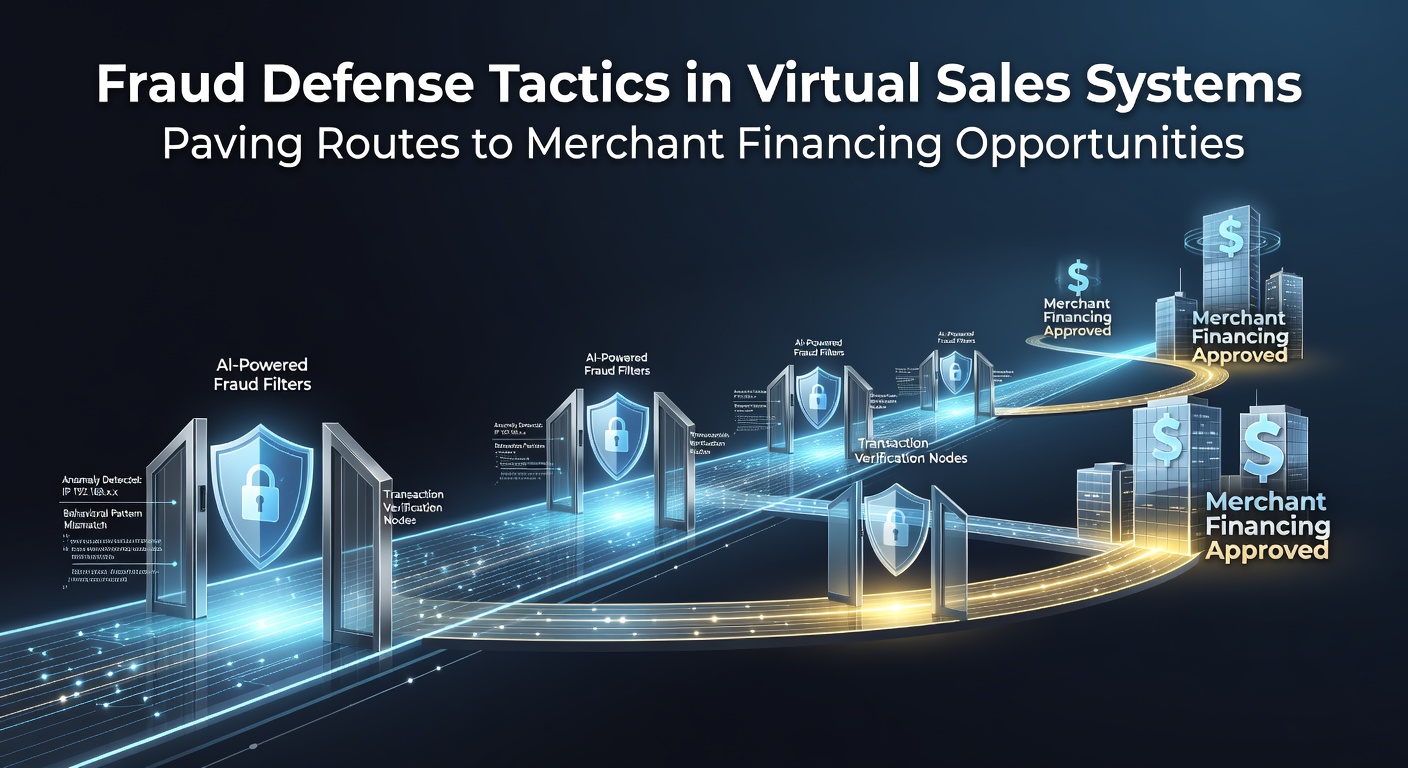
Virtual sales systems have grown into complex networks where merchants process transactions across multiple digital channels, and fraud defense tactics play a central role in protecting revenue streams while creating pathways to merchant financing. These systems rely on layered verification methods that monitor patterns in real time, and data from transaction histories directly influences lender assessments of business stability. Observers note that companies implementing advanced monitoring tools often experience fewer disruptions, which in turn supports smoother evaluations when seeking capital access.
Core Components of Fraud Defense in Digital Environments
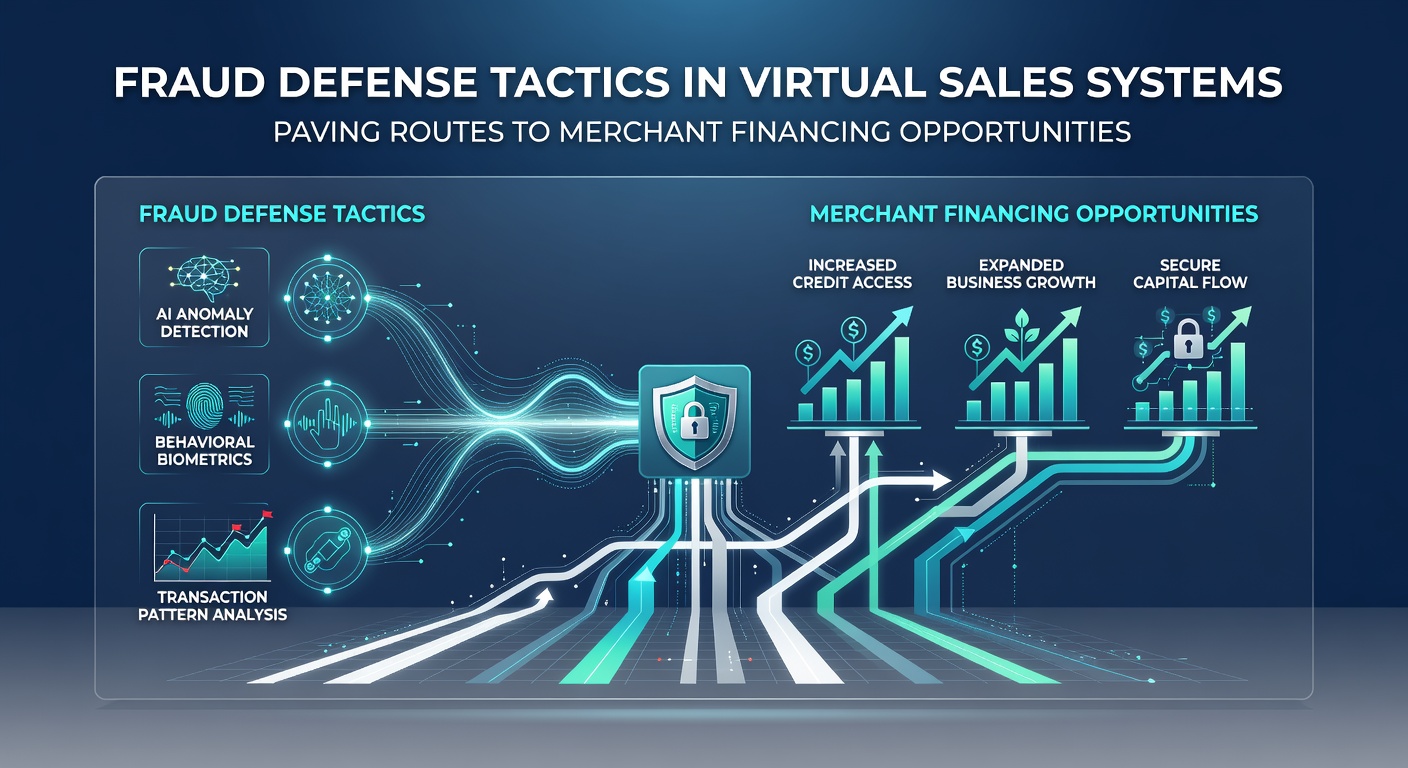
Experts track several standard approaches that virtual sales platforms use to identify suspicious activity before it escalates. Machine learning models analyze purchase velocity, device fingerprints, and geographic inconsistencies, while rule-based filters flag unusual order sizes or repeated attempts from single accounts. Behavioral biometrics add another dimension by recording mouse movements and typing rhythms that differ from established customer profiles. Research from institutions such as the University of Cambridge shows these combined techniques reduce unauthorized transactions by measurable percentages across e-commerce sectors.
Integration with external databases further strengthens these defenses. Platforms cross-reference details against global watch lists and previous fraud databases maintained by payment networks, and this process occurs within seconds of each checkout attempt. Merchants who maintain consistent low fraud ratios find that their operational records become more attractive during financing reviews, since lenders examine chargeback frequency and loss mitigation history as indicators of management quality.
How Security Measures Translate Into Financing Eligibility
Lenders increasingly incorporate fraud-related metrics into their underwriting models because lower risk profiles correlate with steadier cash flows. Virtual sales operators who deploy multi-factor authentication and real-time scoring systems generate cleaner datasets that demonstrate reliable transaction patterns. According to figures released by the Federal Trade Commission, businesses reporting fraud rates below industry averages secured approval rates up to 30 percent higher in recent application cycles. This connection emerges because financing decisions hinge on verifiable evidence of operational control rather than raw sales volume alone.
Case examples illustrate the pattern. One mid-sized apparel retailer upgraded its virtual checkout with adaptive authentication protocols in early 2025 and subsequently qualified for an expanded line of credit after six months of documented fraud reduction. The improved metrics allowed underwriters to assign a lower risk tier, which translated into reduced interest costs and larger advance amounts. Similar outcomes appear when platforms share anonymized security performance data with financing partners through secure APIs.
Developments Observed Through June 2026
By June 2026, regulatory updates in several regions have encouraged wider adoption of standardized fraud reporting frameworks that feed directly into credit evaluation tools. Canadian authorities through the Financial Consumer Agency of Canada have outlined expectations for transparent loss disclosure, and this information now factors into financing algorithms used by alternative lenders. Merchants operating virtual systems that comply with these reporting standards gain clearer documentation trails, which simplifies due diligence processes during loan origination.
Industry groups have also released comparative benchmarks showing that platforms with integrated artificial intelligence defenses maintain fraud loss ratios 15 to 20 percent below those relying solely on manual reviews. These benchmarks help financing entities set objective thresholds when reviewing merchant applications. Data indicates that sellers who align their virtual sales infrastructure with such benchmarks encounter fewer delays in capital approval cycles.
Practical Implementation Patterns Across Sectors
Retail categories demonstrate distinct adoption curves. Digital goods sellers prioritize velocity checks because high-value downloads attract rapid fraud attempts, whereas subscription services focus on recurring payment authentication to prevent account takeovers. Both approaches generate longitudinal data sets that financing providers review for consistency over multiple quarters. Observers note that merchants maintaining detailed logs of defense activations can present stronger cases when negotiating terms with capital partners.
Partnerships between payment processors and specialized analytics firms have expanded access to these tools for smaller operators. Shared platforms allow virtual storefronts to activate enterprise-grade monitoring without building custom systems, and the resulting transaction integrity scores become portable credentials during financing discussions. This standardization reduces information asymmetry between merchants and lenders.
Conclusion
Fraud defense tactics embedded in virtual sales systems continue to shape financing opportunities by producing reliable performance indicators that lenders value. As reporting standards evolve and analytical tools advance through mid-2026, merchants who prioritize these measures position their transaction records for more favorable capital evaluations. The linkage between security infrastructure and financing access rests on documented outcomes rather than promotional claims, and ongoing data collection supports continued refinement of both areas.