23 Aug 2026
How Automated Reconciliation Features in E-commerce Platforms Streamline Supplier Payment Scheduling for Multi-Site Distributors
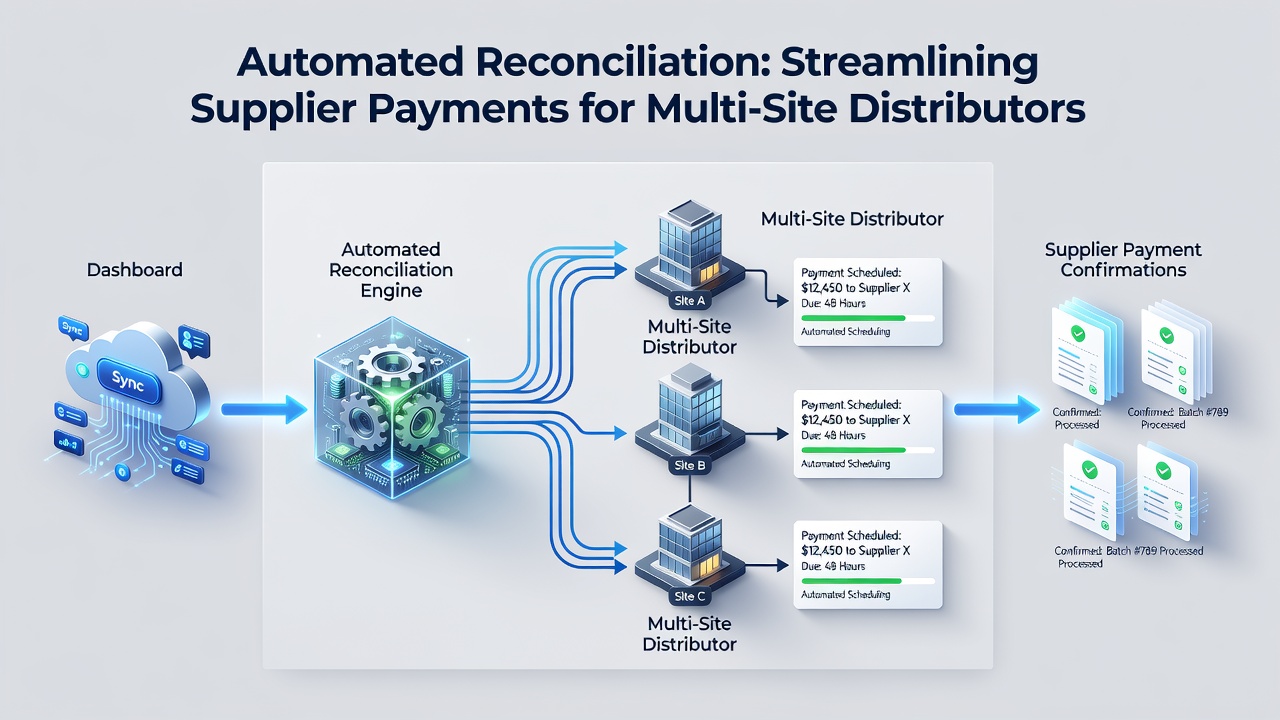
Multi-site distributors rely on e-commerce platforms that incorporate automated reconciliation to align incoming supplier invoices with transaction records and outgoing payments, and this process reduces manual intervention while maintaining accuracy across locations. Systems pull data from various sites in real time, compare line items against purchase orders, and flag discrepancies for review before any funds move, which keeps payment cycles consistent even when inventory volumes fluctuate between warehouses.
Core Mechanisms Behind Automated Reconciliation
These features operate by ingesting data streams from point-of-sale terminals, inventory management modules, and supplier portals, then applying matching algorithms that verify amounts, dates, and quantities without requiring staff to cross-check spreadsheets manually. When a match succeeds the platform generates a payment authorization that routes through the scheduling engine, and distributors set parameters such as net-30 terms or volume-based discounts so the system releases funds on the correct calendar date while accounting for early-payment incentives across all sites simultaneously.
Handling Complexity in Multi-Site Environments
Distributors operating in several regions encounter variations in tax rates, currency conversions, and local supplier contracts, yet automated tools consolidate these elements into a single dashboard that applies rules uniformly. One distribution network that expanded from three to twelve locations found that reconciliation time dropped from several days per cycle to under four hours because the platform synchronized data feeds and adjusted for regional holidays or banking cutoffs automatically. Observers note that this centralization allows finance teams to monitor exceptions rather than process every transaction, and it supports compliance with reporting standards that differ by jurisdiction.
Payment Scheduling Integration and Timing Benefits
Once reconciliation confirms accuracy the scheduling module sequences payments according to predefined priorities, such as paying critical suppliers first or grouping remittances by bank to minimize transfer fees. Platforms often connect to enterprise resource planning software so that confirmed matches trigger calendar entries visible to procurement staff at every site, and this visibility prevents duplicate payments when the same invoice arrives through separate channels. Research indicates that companies using these integrated features report fewer late fees and improved supplier relationships because cash flow predictions become more reliable across the network.
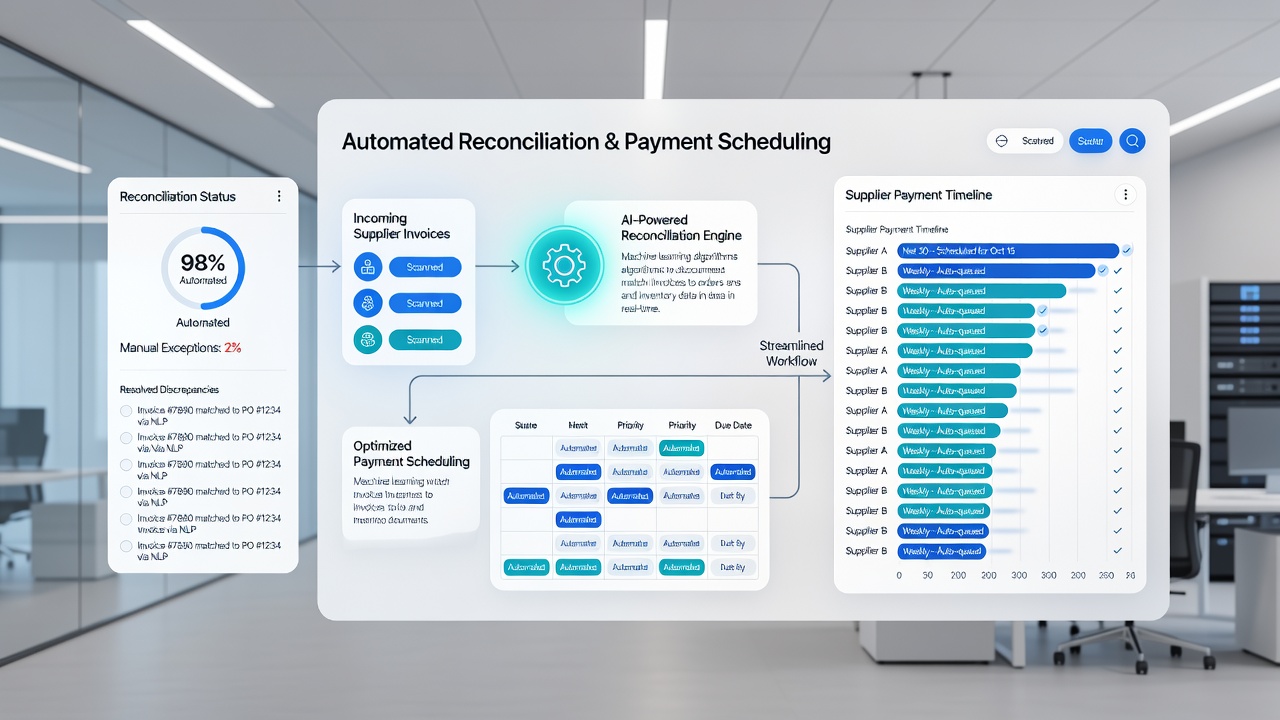
As of August 2026 several major platforms introduced enhanced forecasting layers that incorporate historical site performance data to predict optimal payment windows, allowing distributors to capture additional discounts without straining liquidity. The system evaluates factors like seasonal demand spikes at individual locations and adjusts schedules accordingly while maintaining an audit trail that satisfies external reviewers.
Supporting Data and Industry Context
According to figures from Statistics Canada retail trade reports, wholesale distributors handling multi-location operations have increased adoption of automated financial tools to manage growing transaction volumes. Industry analyses show that platforms equipped with reconciliation automation handle higher invoice counts per employee compared with manual methods, and this efficiency scales as sites are added without proportional increases in administrative headcount.
Practical Implementation Considerations
Implementation typically begins with mapping supplier data formats to the platform's reconciliation fields, followed by testing across sample sites to confirm that currency and tax rules apply correctly. Distributors often phase the rollout by starting with high-volume suppliers and expanding to smaller vendors once initial matches prove reliable. Training focuses on exception handling rather than routine processing, so teams learn to resolve flagged items quickly while the system continues to schedule undisputed payments without delay.
Conclusion
Automated reconciliation within e-commerce platforms creates a structured pathway from invoice receipt to scheduled supplier payment that accommodates the operational demands of multi-site distributors. By matching records automatically and applying consistent scheduling rules across locations, these tools reduce processing delays and support accurate cash management without expanding staff resources proportionally. The result appears in steadier supplier relations and streamlined financial oversight that scales as distribution networks grow.