29 Jul 2026
How Instant Settlement Features in Digital Wallets Are Reshaping Short-Term Cash Access for Independent Service Providers
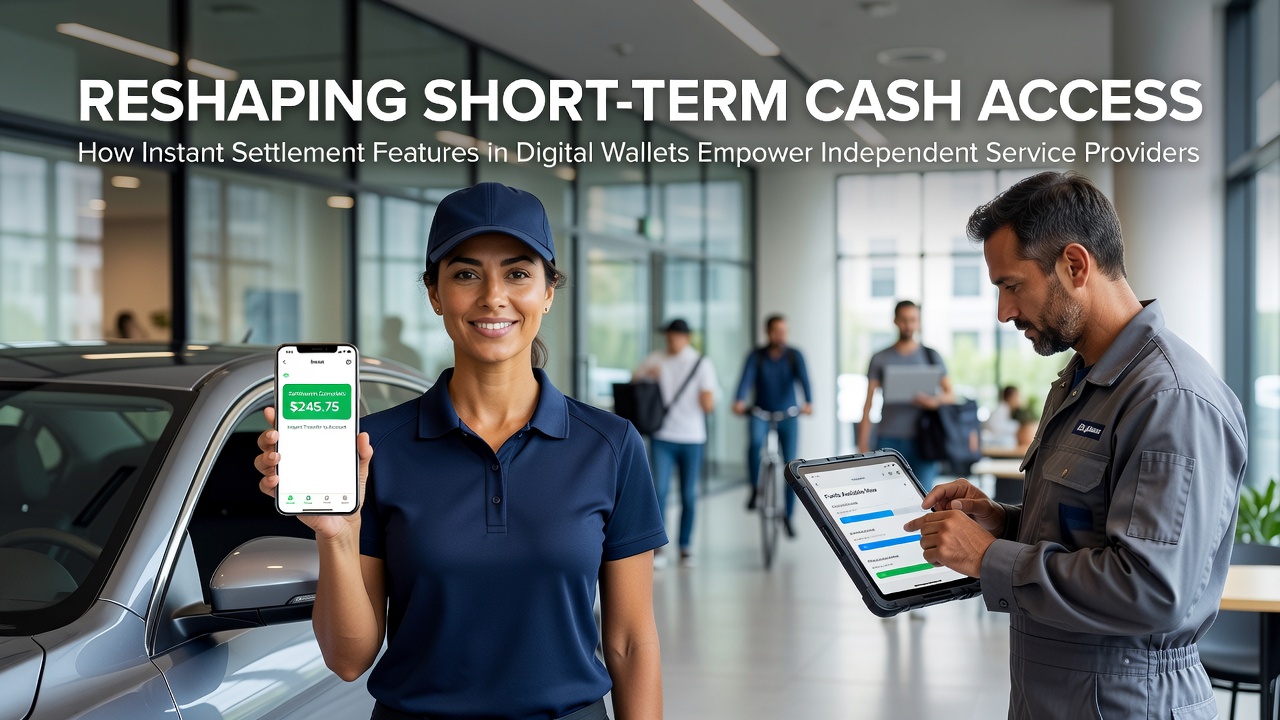
Independent service providers ranging from ride-share drivers to freelance consultants have long navigated delays between completing work and receiving payment, yet instant settlement features in digital wallets now allow funds to reach accounts within minutes rather than days. These capabilities rely on real-time processing networks that bypass traditional batch clearing systems, and data from payment processors indicates adoption rates among gig economy participants rose steadily through mid-2026.
Mechanics Behind Instant Settlements in Digital Wallets
Digital wallets equipped with instant settlement pull transaction data directly from payment rails such as those operated by major card networks or emerging instant payment systems, then credit the provider's linked account without waiting for end-of-day reconciliation. Research from the Federal Reserve highlights how these features reduce float time by connecting wallet balances to automated clearing mechanisms that operate around the clock, and service providers gain visibility into available funds immediately after client approval.
Many platforms integrate this functionality through APIs that verify transaction validity in seconds, while compliance checks run in parallel to maintain regulatory standards. Observers note that wallet providers often charge a small fee for the speed, yet the structure appeals to those managing variable income streams because it eliminates multi-day holds that once forced reliance on high-interest credit lines.
Effects on Cash Flow for Freelancers and Gig Workers
Independent contractors who accept payments through apps now convert completed jobs into spendable balances without bridging gaps through personal savings or short-term borrowing, and studies from the Bank for International Settlements show measurable increases in liquidity among users of instant-settlement tools. Providers in sectors like home services or content creation report fewer instances of delayed bill payments once wallet credits appear in real time, which in turn supports consistent business operations.
Platforms that rolled out these features by July 2026 documented higher retention among part-time operators who previously cycled through multiple payment methods to accelerate access. The shift also alters budgeting patterns because earnings appear as usable balances rather than pending entries, allowing precise tracking of daily inflows against expenses.
Integration with Existing Financial Tools and Regulatory Frameworks
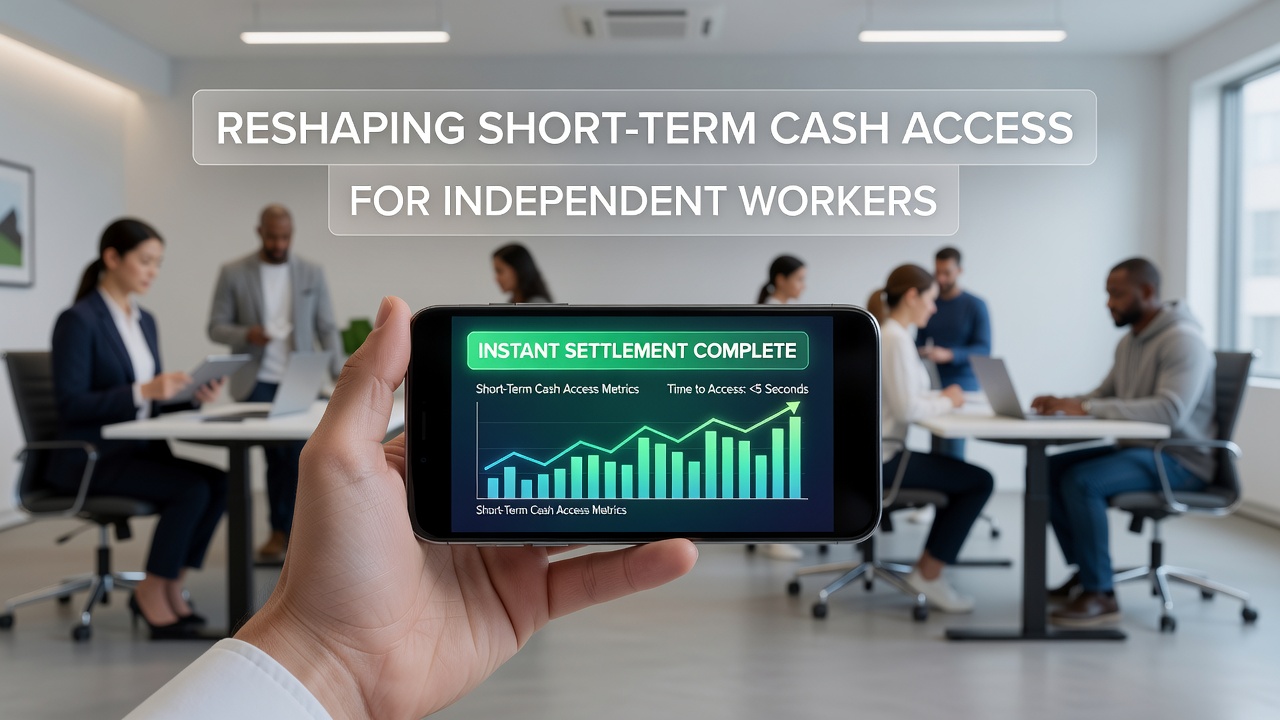
Wallet developers link instant settlement options to banking partners that support faster payment schemes, such as those promoted by the Reserve Bank of Australia, and these connections enable seamless transfers to external accounts when providers choose to move funds beyond the wallet ecosystem. Regulatory bodies in multiple regions have updated guidelines around consumer protections for rapid transfers, requiring clear disclosure of fees and reversal policies to safeguard users from errors.
Service providers benefit from audit trails generated automatically during each settlement event, which simplifies tax reporting and expense categorization without additional manual entry. Data indicates that platforms incorporating these features saw expanded participation from operators in remote or seasonal markets where traditional banking hours created friction.
Broader Market Trends and Provider Adaptations
Payment networks have expanded support for real-time authorization layers that feed directly into wallet settlement engines, and industry reports reveal growing partnerships between wallet companies and payroll-adjacent services aimed at independent workers. Those who manage multiple income sources find that consolidated wallet views reduce the administrative load of tracking disparate payouts, while the speed of access supports reinvestment in tools or marketing without waiting periods.
Security protocols embedded in these systems use tokenization and device authentication to authorize each instant transfer, maintaining fraud detection rates comparable to slower settlement methods. Providers who switched to instant options early in the rollout period adapted workflows around immediate fund availability, which in some cases allowed tighter control over vendor payments and supply purchases.
Conclusion
Instant settlement capabilities continue to alter how independent service providers manage timing between service delivery and cash availability, supported by evolving payment infrastructure and regulatory oversight across regions. Figures from central banks and research institutions document rising usage among gig participants, and the resulting liquidity patterns influence both individual financial decisions and platform design priorities through 2026 and beyond.