31 May 2026
How Portable Transaction Records Shape Compliance Pathways for Niche Vendor Capital Access
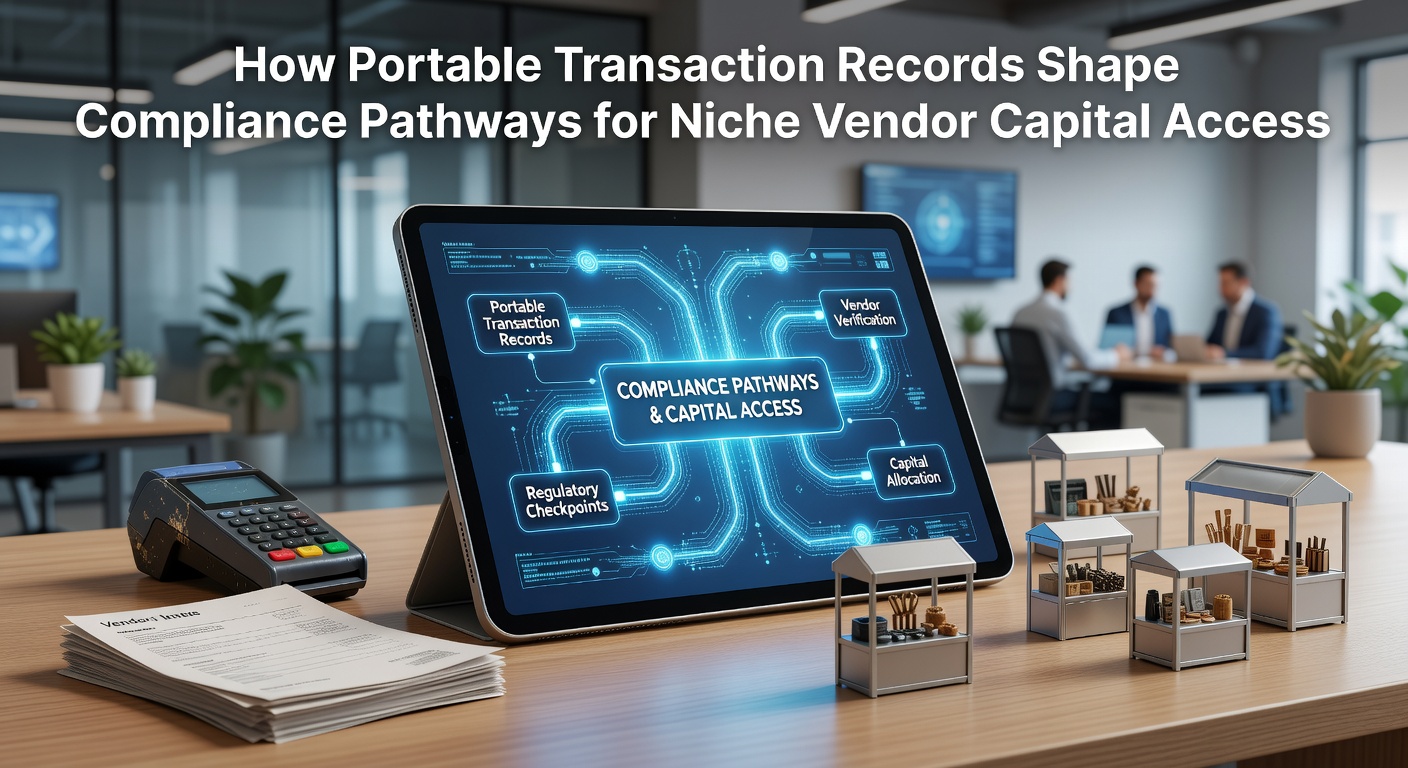
Portable transaction records allow niche vendors to maintain digital copies of their sales data that move across platforms and jurisdictions while meeting regulatory standards for verification, and this capability has become central to how small operators secure financing from specialized lenders. These records typically include encrypted ledgers of sales, timestamps, customer identifiers, and tax details that export in standardized formats compatible with various compliance frameworks.
The Mechanics Behind Portable Records
Niche vendors in sectors such as artisanal goods, regional food distribution, and specialized equipment sales generate transaction histories that lenders examine for credit decisions, and portability means these histories transfer without loss of integrity when vendors switch processors or apply for capital through multiple channels. Data shows that formats like JSON-based APIs and blockchain-anchored receipts enable this transfer, which reduces duplication during audits. Researchers at institutions including the University of Melbourne have documented how such records integrate with automated compliance checks for anti-money laundering rules, allowing vendors to present verifiable histories in real time rather than compiling paper trails.
Systems built around cloud synchronization pull data directly from point-of-sale terminals and mobile payment apps, then apply tagging for categories like high-risk transactions or cross-border sales, and this tagging streamlines reviews by financial institutions that evaluate capital requests. In May 2026 several European payment networks expanded support for these tagged exports following updates to the EU's revised Payment Services Directive, which encouraged broader adoption among vendors operating in multiple member states.
Compliance Integration for Niche Operators
Compliance pathways rely on records that embed evidence of know-your-customer procedures and sales tax remittances, and portability ensures this evidence remains accessible when vendors seek loans from non-bank lenders who apply stricter scrutiny than traditional banks. Observers note that vendors using portable systems often complete verification cycles in fewer steps because lenders can query the same dataset through secure APIs instead of requesting separate submissions. Figures from the Australian Competition and Consumer Commission reveal increased usage of portable ledgers among regional producers applying for working capital facilities between 2024 and 2026, particularly where seasonal sales patterns require quick reassessment of repayment capacity.
Security features such as end-to-end encryption and audit trails prevent tampering during transfers, which satisfies both PCI data security standards and emerging digital identity frameworks adopted in Canada. Vendors who maintain these records report smoother interactions with underwriters because the data arrives pre-validated, cutting the time between application and funding decisions. One case involved a specialty coffee importer who linked portable transaction exports to a Canadian fintech platform, resulting in faster approval tied directly to consistent monthly volume data rather than static financial statements.
Capital Access Outcomes Across Regions
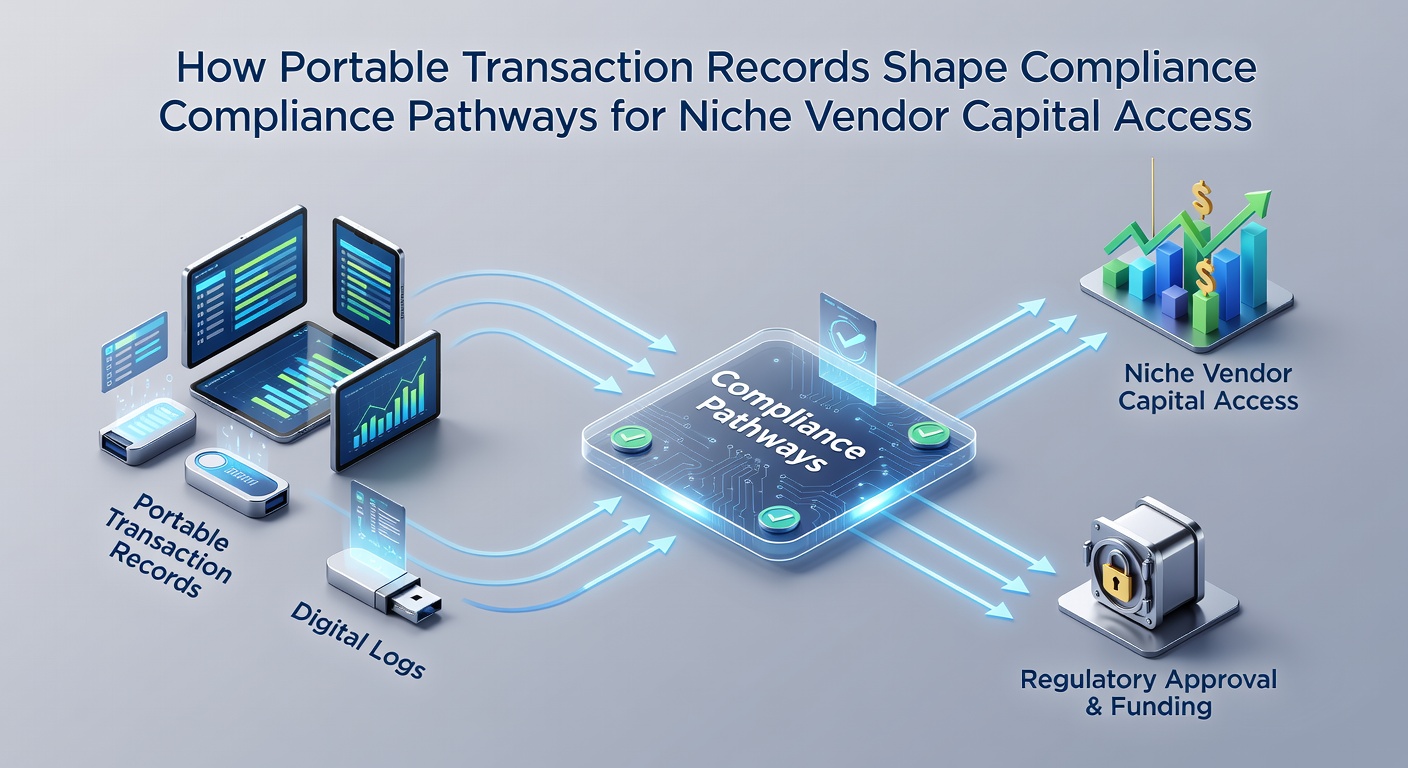
Lenders increasingly incorporate portable records into underwriting models because the data provides granular visibility into cash flow cycles that traditional statements overlook, and this shift has opened pathways for vendors previously excluded from financing programs. Data from the Federal Reserve Bank of New York indicates that small merchants submitting portable histories in 2025 secured approvals at rates several points higher than those relying solely on bank statements, especially in niche categories with irregular revenue patterns. The records also support cross-border capital access when vendors expand into new markets, since standardized formats align with requirements from multiple regulatory bodies without repeated reformatting.
What's interesting is how portability intersects with tax authority reporting obligations, allowing simultaneous compliance with revenue agencies and lender due diligence in a single workflow. In practice this means a vendor in one jurisdiction can share the same dataset with a lender based elsewhere, provided the records carry cryptographic verification of origin and completeness. Industry reports highlight that adoption has accelerated since 2024 among vendors who operate seasonal or event-based businesses, where rapid access to capital depends on demonstrating recent transaction trends rather than historical averages.
Future Trajectories for Record Portability
Continued development of interoperable standards will likely expand the role of portable records in compliance verification, particularly as more jurisdictions implement open banking rules that mandate data sharing under controlled conditions. Those who've studied adoption patterns point to growing integration between portable ledgers and automated capital platforms, which reduces manual review while maintaining auditability. The trajectory suggests niche vendors will face fewer barriers when moving between financing sources, provided their records remain current and properly formatted for each recipient's compliance checklist.
Conclusion
Portable transaction records have established themselves as foundational tools that connect compliance requirements directly to capital access decisions for niche vendors, and their continued refinement supports more efficient verification across diverse regulatory environments. As systems evolve through 2026 and beyond, the emphasis remains on maintaining data integrity during transfers while satisfying the overlapping demands of lenders, tax authorities, and payment networks.