1 Jul 2026
How Verification Logs from Virtual Sales Channels Guide Custom Loan Structures for Seasonal Retail Operators
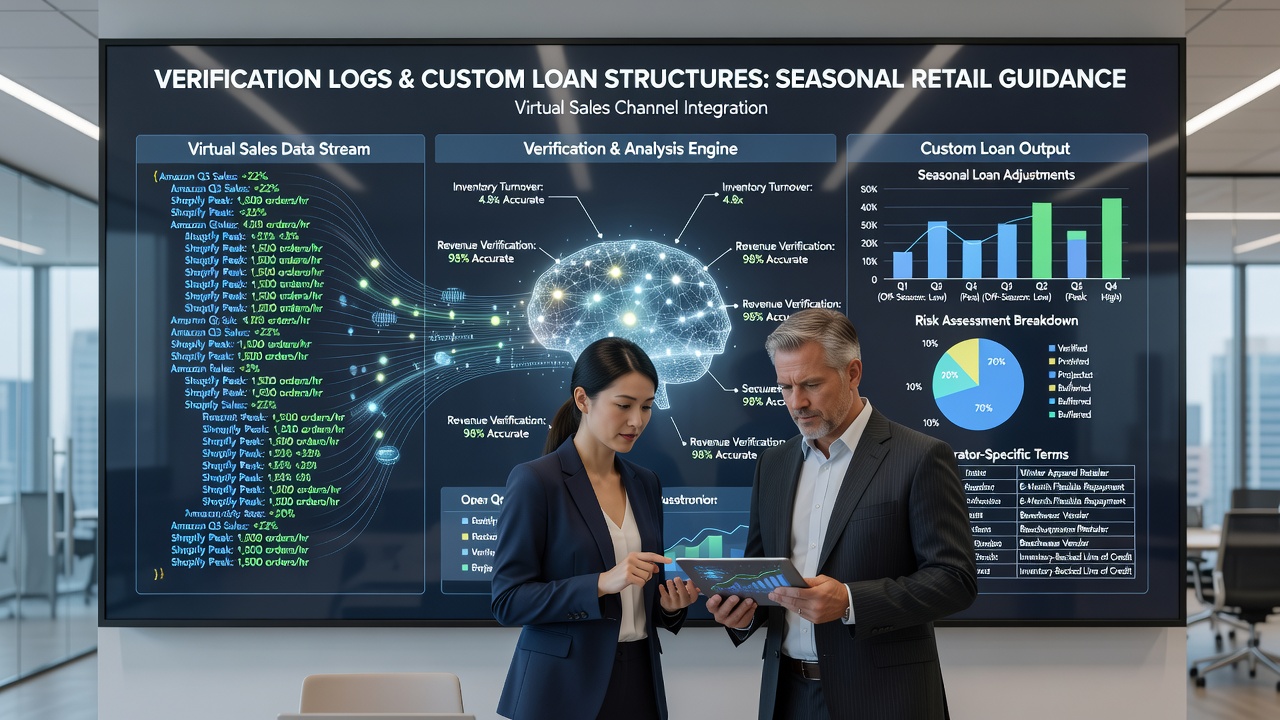
Verification logs from virtual sales channels capture detailed records of transaction approvals, identity checks, and payment confirmations that occur during online purchases; these logs create traceable datasets that financial institutions analyze when designing loan products for retailers with fluctuating seasonal demand. Seasonal retail operators, including holiday decor vendors and summer apparel sellers, generate revenue spikes during specific periods while experiencing slower months, so lenders examine the timing and consistency of verified sales to adjust repayment schedules and interest terms accordingly.
Core Elements of Verification Logs in Online Retail
Virtual sales platforms record every verification step, from address confirmation to card authentication, and these entries include timestamps, order values, and customer repeat rates; analysts at lending firms extract patterns from such data to identify peak selling windows and average transaction sizes without relying on physical point-of-sale terminals. Researchers at the Federal Reserve Bank of New York noted in 2025 reports that logs showing high verification success rates during holiday quarters correlate with lower default probabilities for seasonal borrowers, which encourages institutions to offer extended grace periods during off-seasons.
Logs also flag declined attempts and retry patterns, giving lenders insight into customer payment reliability across different months; when a retailer demonstrates steady verification volumes in Q4 but reduced activity in Q1, loan terms can incorporate balloon payments timed after the next busy cycle rather than fixed monthly obligations. This approach aligns repayment capacity with documented cash flow without forcing uniform installments throughout the year.
Seasonal Pattern Recognition Through Log Analysis
Data scientists process verification timestamps and amounts to map revenue cycles for individual operators; one study from the University of Melbourne's business analytics group examined logs from Australian e-commerce platforms and found that retailers selling beach gear showed verification clusters between November and February, prompting Australian lenders to structure loans with interest-only periods from March through October. Such mapping allows custom structures where principal reductions occur only after verified seasonal surges appear in the logs.
Additional variables tracked include geographic verification sources and device types used for purchases, which help distinguish between tourist-driven sales and local repeat business; when logs reveal a concentration of international verifications during summer months, lenders may extend credit lines that scale upward in anticipation of those peaks and contract during quieter intervals. Observers note that this granularity reduces over-lending risks while giving operators access to capital that matches their actual operating rhythm.
Structuring Loans Around Verified Sales Cycles
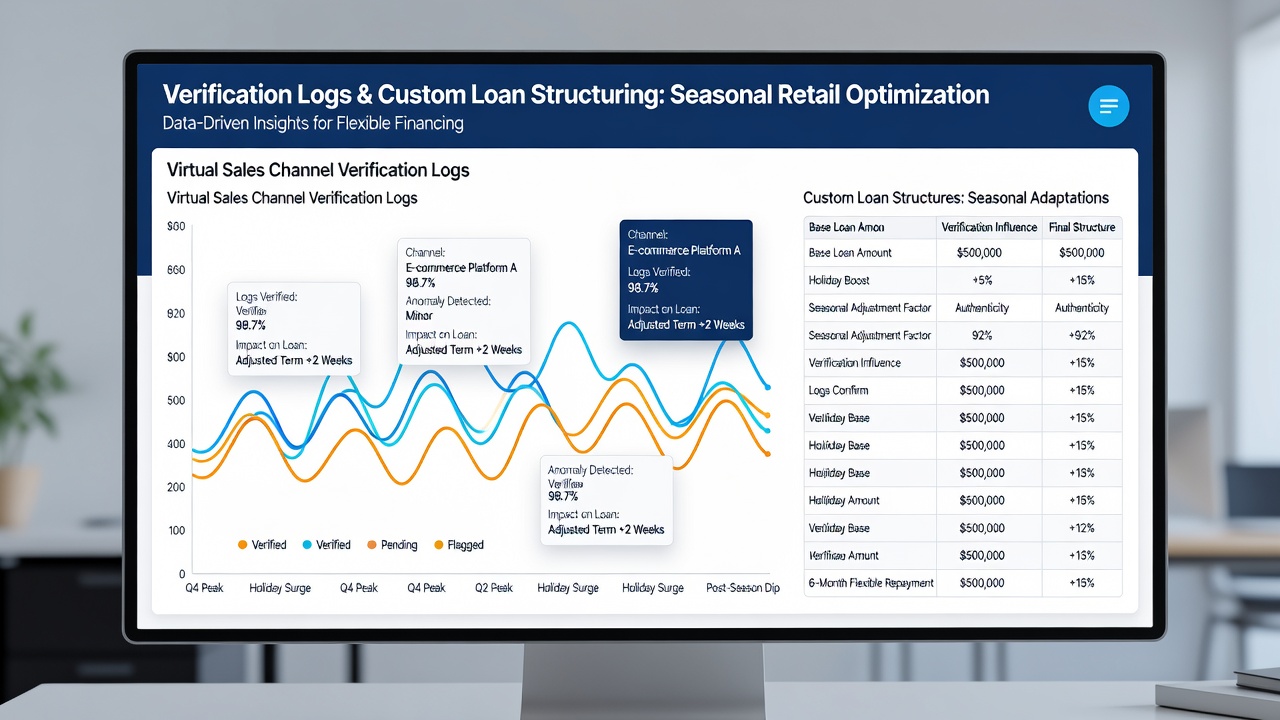
Lenders convert log-derived metrics into variable repayment formulas; for instance, a loan agreement might stipulate that monthly payments equal a fixed percentage of verified transaction totals from the preceding thirty days, with caps during low-verification periods. This method appears in products offered by several fintech platforms that integrate directly with virtual storefronts to pull fresh log data each billing cycle. As of July 2026, more regional banks have adopted similar models after reviewing aggregated verification statistics that demonstrated improved repayment compliance among seasonal clients.
Custom covenants often reference specific verification thresholds, such as requiring a minimum number of approved transactions above a set dollar value before releasing additional drawdowns; operators who maintain consistent log quality across multiple seasons qualify for rate reductions or extended terms. Those thresholds derive directly from historical patterns rather than estimates, which creates measurable benchmarks that both parties can monitor through shared dashboard access.
Integration With Broader Financing Ecosystems
Verification logs feed into automated underwriting systems that combine online sales data with traditional credit files; this integration lets seasonal retailers access facilities that traditional banks once reserved for year-round businesses. Industry reports from the Canadian Office of the Superintendent of Financial Institutions indicate that institutions incorporating virtual channel logs have expanded their seasonal lending portfolios by double-digit percentages since 2024 without corresponding increases in non-performing loans. The logs supply forward-looking indicators that static financial statements cannot provide on their own.
Partnerships between payment processors and lenders further streamline the process by embedding log-sharing protocols into standard merchant agreements; retailers authorize periodic exports of verification records, which algorithms then translate into tailored amortization schedules. These arrangements prove especially useful for operators who sell through multiple virtual marketplaces, because consolidated logs reveal the combined effect of all channels on overall seasonality.
Conclusion
Verification logs from virtual sales channels supply the granular, time-stamped evidence that allows financial institutions to construct loan structures calibrated to the unique revenue rhythms of seasonal retail operators. By tracking verification success, transaction timing, and volume fluctuations, lenders create repayment frameworks that rise and fall with documented activity rather than imposing rigid calendars. Continued refinement of log analysis tools, coupled with regulatory guidance from bodies such as the Canadian Office of teh Superintendent of Financial Institutions, supports wider adoption of these data-driven financing models across diverse retail segments.