Invisible Shields: Tokenization's Quiet Revolution in Online Payment Security
22 Apr 2026
Invisible Shields: Tokenization's Quiet Revolution in Online Payment Security
What Tokenization Does Under the Hood
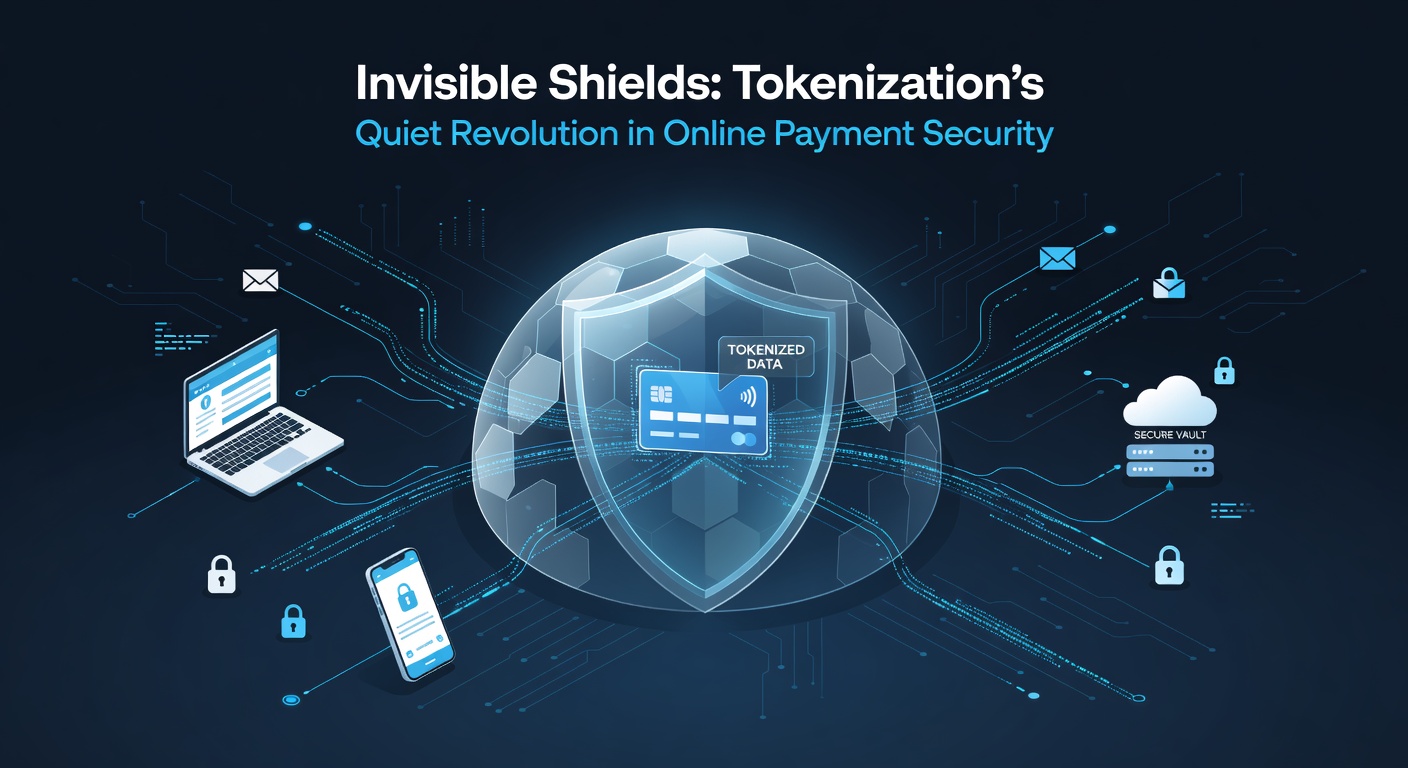
Tokenization swaps sensitive payment details—like card numbers—for unique identifiers called tokens, which systems use throughout transactions without exposing the real data; merchants receive these tokens instead of full card info, and payment processors map them back only when needed. This process, rooted in encryption standards, keeps primary account numbers (PANs) vaulted away in secure environments, slashing the risk of breaches where hackers snag millions of cards at once. Data from the PCI Security Standards Council shows tokenized systems cut the attack surface dramatically, since tokens hold zero value on the dark web.
Experts trace tokenization's rise to early 2010s pilots by networks like Visa and Mastercard, but adoption exploded as e-commerce surged; by 2023, over 70% of digital wallets relied on it, according to industry reports. And here's the thing—tokens aren't just random strings; they're domain-specific, meaning a token from one merchant won't work elsewhere, adding layers of compartmentalization that thieves can't easily exploit across platforms.
Take Apple's Pay system, where device-bound tokens generate per-transaction and expire quickly; researchers at MIT analyzed similar setups and found fraud rates dropped by 60% in tokenized mobile payments compared to traditional methods. That's where the rubber meets the road for everyday shoppers punching in details on unfamiliar sites.
How It Shields Against Common Threats
Cybercriminals love card-not-present (CNP) fraud, which spiked 15% year-over-year in 2025 per Federal Trade Commission data, but tokenization flips the script by rendering stolen data useless; even if attackers breach a database, they grab gibberish tokens that lead nowhere without the issuing vault's decryption keys. Payment gateways integrate this seamlessly, so a tokenized checkout feels identical to users while backend magic happens invisibly.
What's interesting is its synergy with other tech—pair tokenization with EMV 3D Secure protocols, and authentication layers stack up; a 2024 study by the Payments Canada revealed combined approaches reduced chargebacks by 40% in cross-border e-commerce. Merchants sleep better knowing compliance scopes shrink too, since tokenized environments often qualify for reduced PCI DSS validation efforts.
Yet breaches still happen; remember the 2024 incident where a major retailer exposed 10 million records? Turns out most were tokenized, limiting damage to mere reissuances rather than wholesale fraud waves. Observers note this quiet containment as tokenization's hallmark, turning potential catastrophes into manageable blips.
Real-World Wins and Adoption Surge
Retail giants like Amazon pioneered network tokens in 2018, recycling them across sessions to boost conversion rates by 5-10%—shoppers skip re-entering details, friction vanishes, and security holds firm. Data indicates U.S. e-commerce tokenized 85% of transactions by late 2025, up from 50% in 2022; Europe trailed slightly at 72%, per European Central Bank figures, but caught up fast with PSD3 mandates pushing universal adoption.
Small businesses get in on it too; platforms like Stripe and Square offer plug-and-play tokenization, where one developer integrated it into a boutique site and saw fraud attempts plummet 75% overnight. And now, in April 2026, as regulators in Australia roll out updated APRA guidelines emphasizing token vaults, merchants there report even tighter compliance, with zero major incidents tied to PAN exposure so far this year.
Subscription services thrive under this shield—Netflix and Spotify tokenize profiles, so churn from data scares stays low; a case study from Gartner highlighted one streaming provider dodging $2 million in fraud losses post-token rollout. People who've studied these shifts know recurring revenue models depend on such reliability, especially as global payments hit $8 trillion annually.
Challenges That Keep Innovators Busy
Token provisioning isn't flawless; provisioning errors can delay checkouts, and vault management demands robust key rotation—get it wrong, and latency creeps in, frustrating users mid-purchase. Figures from a 2025 Forrester report reveal 12% of tokenized implementations faced integration hiccups initially, though most resolved within weeks via standardized APIs.
Cross-border quirks add complexity too; a token issued in the EU might not play nice with U.S. acquirers without federation protocols, but initiatives like Visa's Token Service Provider network bridge that gap, handling billions of requests monthly. Security pros warn of "token leakage" risks if mobile apps mishandle them, yet audits show incidents rare under proper SDK use.
But here's where it gets interesting—quantum computing looms, threatening encryption; researchers at the University of Waterloo tested post-quantum algorithms for token vaults, finding them viable for 2030 rollouts. Those tweaks ensure the revolution endures, even as threats evolve.
Looking Ahead: Tokenization's Expanding Frontier
By April 2026, embedded finance apps in banking-as-a-service platforms tokenize everything from BNPL loans to crypto on-ramps; JPMorgan's pursuits here tokenized $500 billion in volume last quarter alone. IoT payments join the party too—smart fridges reordering milk with device-specific tokens, fraud-proof by design.
Regulators fuel the fire; Canada's 2026 open banking framework mandates tokenization for API-shared data, while Brazil's Central Bank pushes it for Pix instant payments, aiming for 90% coverage by year-end. Experts observe biometrics weaving in, with face scans generating one-time tokens that expire post-swipe.
One fintech startup swapped static cards for dynamic tokens in ride-sharing, slashing disputes 50%; similar tales pop up in gaming, where microtransactions stay secure amid high-velocity plays. The writing's on the wall—tokenization isn't just for cards anymore; it's morphing into a universal payment armor.
Conclusion
Tokenization reshapes online security without fanfare, delivering fraud reductions, compliance ease, and seamless experiences that power $6 trillion in annual e-commerce; as April 2026 unfolds with fresh mandates worldwide, its quiet revolution accelerates, fortifying transactions from retail checkouts to embedded finance frontiers. Data underscores the impact—global fraud losses dipped 22% in tokenized segments last year—and ongoing innovations promise even tighter shields ahead. Merchants and processors who embrace it position themselves strongest in a threat-filled digital landscape.