26 Jun 2026
Linking Automated Receipt Analysis from Virtual Terminals to Enhanced Security Compliance and Expedited Loan Qualifications for Service-Based Enterprises
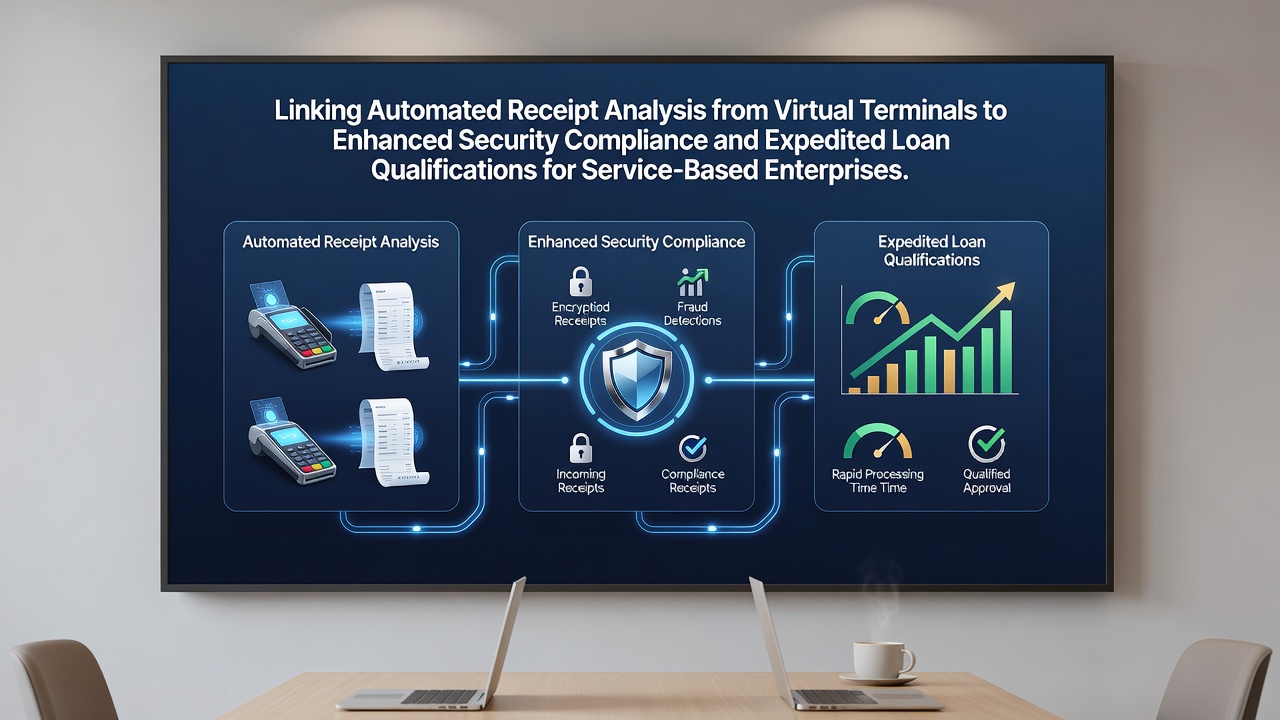
Virtual terminals process payments for service-based enterprises through online platforms that generate digital receipts containing transaction details such as amounts, dates, client identifiers, and service descriptions. Automated analysis systems examine these receipts in real time by applying algorithms that scan for patterns in payment flows and flag inconsistencies that might indicate security vulnerabilities or compliance gaps with standards like PCI DSS.
Mechanics of Receipt Analysis in Virtual Environments
Service enterprises ranging from consulting firms to maintenance providers rely on virtual terminals because they eliminate physical hardware while maintaining records of every transaction. These systems feed receipt data into analytical tools that categorize entries, verify authorization codes, and cross-reference them against historical baselines. Observers note that such processes occur continuously and produce structured datasets that banks and lenders access during qualification reviews. Data from these analyses reveal spending consistency, revenue predictability, and client retention metrics without requiring manual ledger reviews.
Security Compliance Benefits
Automated receipt scrutiny identifies potential breaches by detecting unusual transaction sequences or mismatched encryption markers that could signal unauthorized access attempts. When anomalies surface, the systems trigger alerts that prompt immediate investigation and remediation steps aligned with established security protocols. Research indicates that enterprises adopting these tools report fewer incidents of data exposure because verification happens at the point of receipt generation rather than after the fact. According to guidelines from teh National Institute of Standards and Technology, continuous monitoring through automated channels supports ongoing adherence to security frameworks that protect sensitive cardholder information.
Connection to Loan Qualification Processes
Lenders evaluate service-based enterprises using receipt-derived metrics that demonstrate cash flow stability and operational reliability. Automated analysis condenses months of transaction records into concise summaries that highlight recurring revenue streams and average ticket sizes. This approach reduces the documentation burden on applicants because verified digital trails replace stacks of paper invoices. Figures from lending platforms show that businesses supplying analyzed receipt data often complete approval cycles in weeks instead of months, since underwriters receive pre-validated inputs that align with risk models.
Integration Across Service Sectors
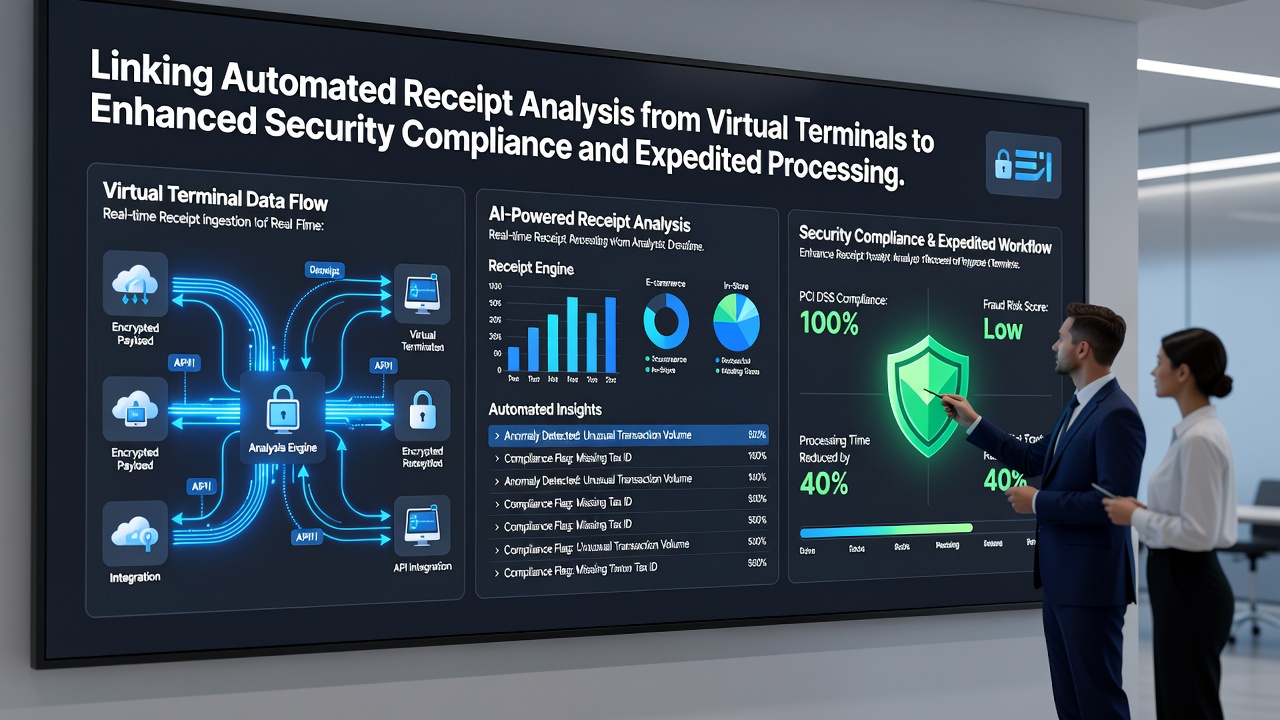
Consulting practices, repair services, and professional agencies generate receipts through virtual terminals that capture project-based billing cycles. Analytical platforms organize this information into timelines that illustrate project completion rates and payment receipt patterns. Those patterns feed into compliance audits by confirming that each entry meets encryption and storage requirements. At the same time the same datasets support financing applications by quantifying seasonal fluctuations and average collection periods. In June 2026 several regional banks expanded their underwriting criteria to accept these automated summaries directly from certified analysis providers, shortening review windows for qualifying service firms.
Data Standards and Regulatory Alignment
Standardized receipt formats enable seamless transfer between virtual terminal outputs and both security monitoring systems and lending platforms. Service enterprises maintain compliance by ensuring that every analyzed receipt includes required fields for traceability while automated checks enforce retention policies. Reports from the European Central Bank highlight how structured transaction data from digital channels assists regulators in assessing sector-wide risk exposure. Enterprises that align their receipt processes with these standards position themselves for faster capital access because lenders view the verified records as reliable indicators of financial health.
Operational Workflows in Practice
A typical workflow begins when a service provider completes a client engagement and issues a receipt through the virtual terminal. The automated engine then parses the receipt, validates the payment method, and logs compliance markers before storing the record in a secure repository. Lenders query this repository through approved channels and receive aggregated reports that include security certification status alongside financial metrics. This dual-purpose pipeline eliminates redundant data entry and allows service enterprises to address both regulatory obligations and funding needs from a single source of truth.
Conclusion
Automated receipt analysis from virtual terminals supplies service-based enterprises with tools that simultaneously strengthen security compliance and accelerate loan qualification timelines. The same datasets that confirm adherence to payment security standards also provide lenders with clear evidence of operational consistency. As adoption grows, these integrated processes continue to reshape how service enterprises manage risk and secure capital through verified digital records.