12 Aug 2026
Mapping Embedded Analytics from Digital Wallets to Inventory Loan Structures for Independent Festival Vendors
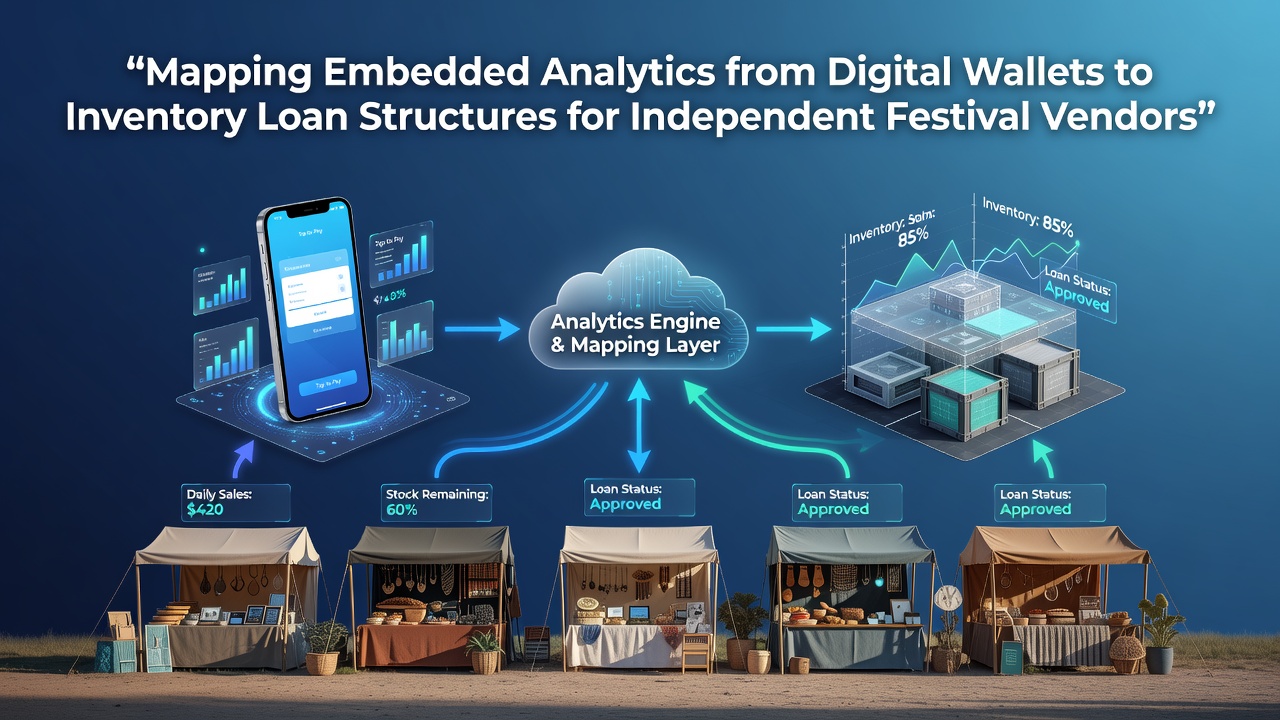
Independent festival vendors rely on digital wallet transactions to generate the data streams that lenders examine when evaluating inventory financing requests, and the connections between these systems have grown more direct in recent years. Embedded analytics tools pull real-time information from wallet providers, including purchase volumes, customer demographics, and peak spending periods during multi-day events, then convert those figures into risk assessments that support short-term loan decisions for restocking merchandise.
Digital Wallet Data Streams in Event Environments
Festival organizers and payment platforms collect transaction details through mobile wallets at vendor booths, which creates datasets that track hourly sales patterns across food, craft, and retail categories. Researchers at event management firms have documented how these records reveal inventory turnover rates during peak hours, such as evening concerts or morning markets, allowing analysts to project future stock requirements with greater precision. In August 2026 several regional festivals reported integration of wallet analytics into vendor dashboards, where sales velocity data directly informed replenishment schedules and reduced instances of overstocking perishable goods.
Payment processors transmit anonymized wallet data to third-party analytics engines that segment vendors by product type and location within festival grounds, and this segmentation helps lenders identify patterns that correlate with repayment reliability. Those who study small business lending note that vendors operating in high-traffic zones often generate steadier transaction volumes, which in turn influences the interest rates and repayment timelines offered under inventory-specific loan products.
Connecting Analytics Outputs to Loan Eligibility
Lenders map wallet-derived metrics such as average transaction value and repeat customer rates onto standardized scoring models that determine maximum loan amounts for inventory purchases. A vendor selling handmade jewelry might see analytics highlight strong weekend surges, prompting a financing offer structured around a four-week repayment cycle tied to projected restocking needs before the next festival date. Studies from agricultural and craft trade associations indicate that such mappings have expanded access to capital for operators who lack traditional credit histories but maintain consistent digital sales records.
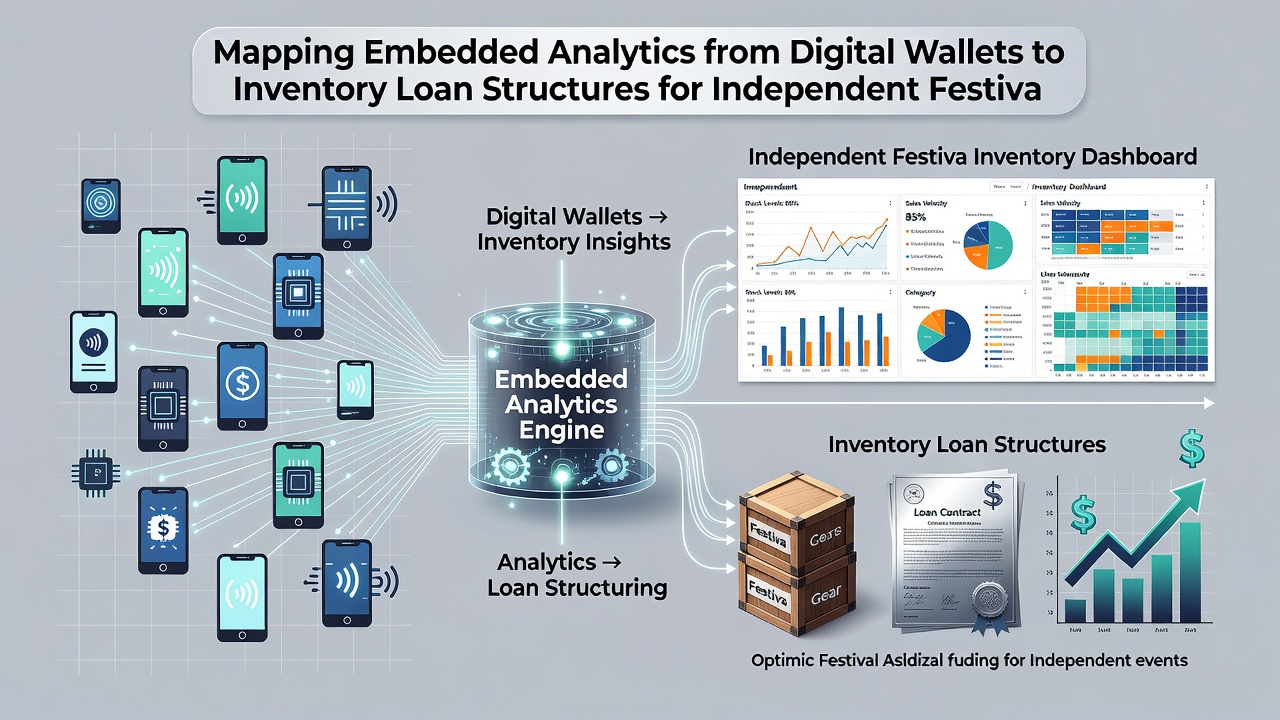
Inventory loan structures differ from general merchant advances because they often include clauses that adjust principal limits based on real-time sales forecasts pulled from wallet platforms. When embedded analytics flag an upcoming event with historically high attendance, lenders may increase available credit lines for specific product categories, while lower projections trigger more conservative caps. Observers in the specialty retail sector point out that this dynamic approach aligns financing terms more closely with seasonal fluctuations common at outdoor festivals.
Implementation Across Vendor Networks
Independent operators integrate wallet analytics through portable terminals that feed directly into cloud-based inventory systems, and these systems generate reports that lenders review during application processes. Data from the European Commission on small enterprise financing shows that vendors using unified wallet and inventory platforms experienced faster approval times for seasonal loans compared with those relying on manual record submissions. Australian trade groups have similarly recorded cases where festival vendors used wallet trend data to secure inventory financing ahead of major summer events, with repayment schedules calibrated to post-event sales cycles.
Security protocols embedded within wallet applications ensure that transaction details remain encrypted during transfer to analytics platforms, which supports compliance with data protection standards required by most lending institutions. Vendors who adopt these integrated tools report fewer discrepancies between reported sales and actual inventory levels, a factor that strengthens their profiles when seeking additional capital for expansion into new festival circuits.
Regional Variations and Data Sources
North American festivals have seen quicker adoption of wallet-to-loan mapping systems due to widespread mobile payment usage, whereas European events often layer additional regulatory requirements onto the same data flows. A U.S. Small Business Administration report on specialty retail lending highlights how transaction analytics help tailor inventory loans for operators in temporary markets, while a separate analysis from Statistics Canada examines similar patterns among seasonal vendors in provincial fairs. These geographic differences influence the specific variables that enter loan models, such as currency fluctuation adjustments in cross-border events.
Conclusion
The mapping of embedded analytics from digital wallets to inventory loan structures continues to evolve as more festivals standardize wallet acceptance and lenders refine their data integration methods. Independent vendors gain clearer pathways to financing when their transaction histories translate directly into actionable inventory forecasts, and ongoing developments through 2026 suggest further refinements in how these systems align payment records with capital access needs.