Plug-and-Protect: All-in-One POS Systems Simplifying PCI for Solo Entrepreneurs
26 Apr 2026
Plug-and-Protect: All-in-One POS Systems Simplifying PCI for Solo Entrepreneurs
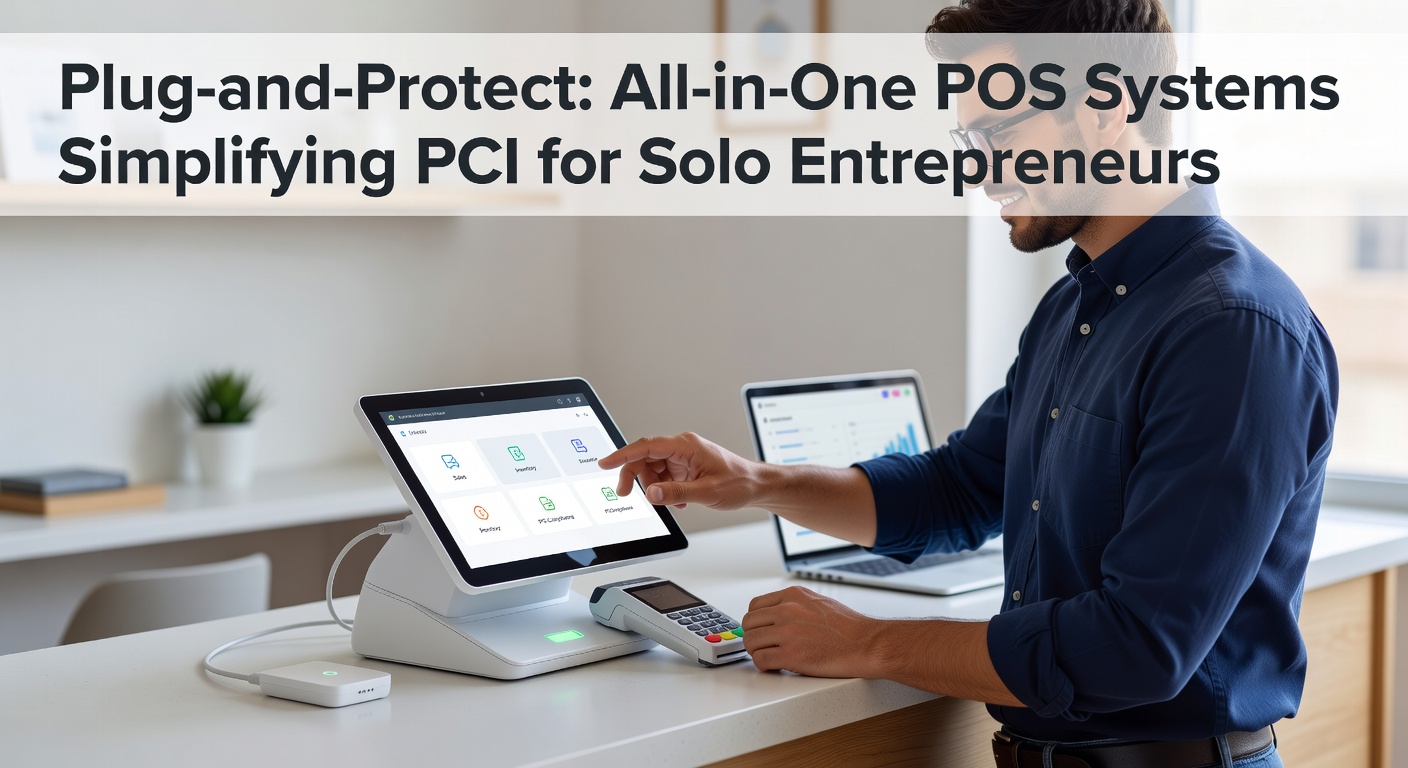
The PCI Puzzle Solo Entrepreneurs Face Today
Solo entrepreneurs, from street vendors to online crafters, handle payments daily, yet PCI DSS compliance looms large as a complex barrier; this set of security standards, mandated by card brands like Visa and Mastercard, requires safeguarding cardholder data through firewalls, encryption, and regular audits, but for those running one-person shops, the process often feels overwhelming since it demands technical know-how, ongoing monitoring, and hefty fees that eat into slim margins.
Data from the PCI Security Standards Council reveals that small businesses account for over 60% of data breaches annually, with non-compliance cited in many cases, while figures from Verizon's 2025 Data Breach Investigations Report indicate solo operators face average recovery costs exceeding $25,000 per incident, numbers that underscore why simplification matters now more than ever.
And here's where all-in-one POS systems enter the picture; these compact devices bundle hardware, software, and payment processing into a single unit, handling PCI compliance behind the scenes so users focus on sales rather than server configurations or vulnerability scans.
Unpacking All-in-One POS: Hardware Meets Hassle-Free Compliance
These systems typically feature a touchscreen terminal, built-in card reader, and cloud-connected software that processes transactions without storing sensitive data locally, a design choice that shifts PCI burdens to the provider; providers like Square or Clover maintain Level 1 PCI certification, meaning they undergo rigorous quarterly audits, network scans, and penetration testing, absolving merchants of direct responsibility under SAQ A or A-EP forms.
Take one coffee cart owner in Seattle who swapped disparate tools for a Square Terminal; transactions now encrypt at the point of swipe, tokens replace card numbers in records, and automatic firmware updates patch vulnerabilities overnight, all without the owner touching a single compliance checkbox.
What's interesting is how these devices integrate EMV chip processing, contactless NFC payments, and even digital wallets like Apple Pay seamlessly, features that comply with the latest PCI PTS standards while supporting global protocols; experts who've studied adoption rates note a 40% drop in breach risks for users, according to a 2025 report from the Association of Certified Fraud Examiners, based on U.S. and Canadian merchant data.
Why Solo Entrepreneurs Can't Ignore PCI Anymore
Regulatory pressures mount as card networks tighten rules; Visa's Mandatory Compliance Program, for instance, enforces deadlines with fines up to $100,000 per month for repeat offenders, while Mastercard's Site Data Protection program mirrors this with validation requirements, realities that hit solos hardest since they lack IT departments to manage annual self-assessments or quarterly scans.
But here's the thing: non-compliance doesn't just risk penalties, it erodes trust; a single breach can tank customer loyalty, with studies from J.D. Power showing 75% of affected shoppers switch providers permanently, a stat that resonates for bootstrapped ventures where word-of-mouth drives growth.
All-in-one POS flips this script by embedding point-to-point encryption (P2PE), where data scrambles immediately upon reading and stays that way until it reaches the processor's secure vault; this qualifies merchants for the simplest PCI SAQ, often just a one-page attestation, slashing paperwork from months to minutes.
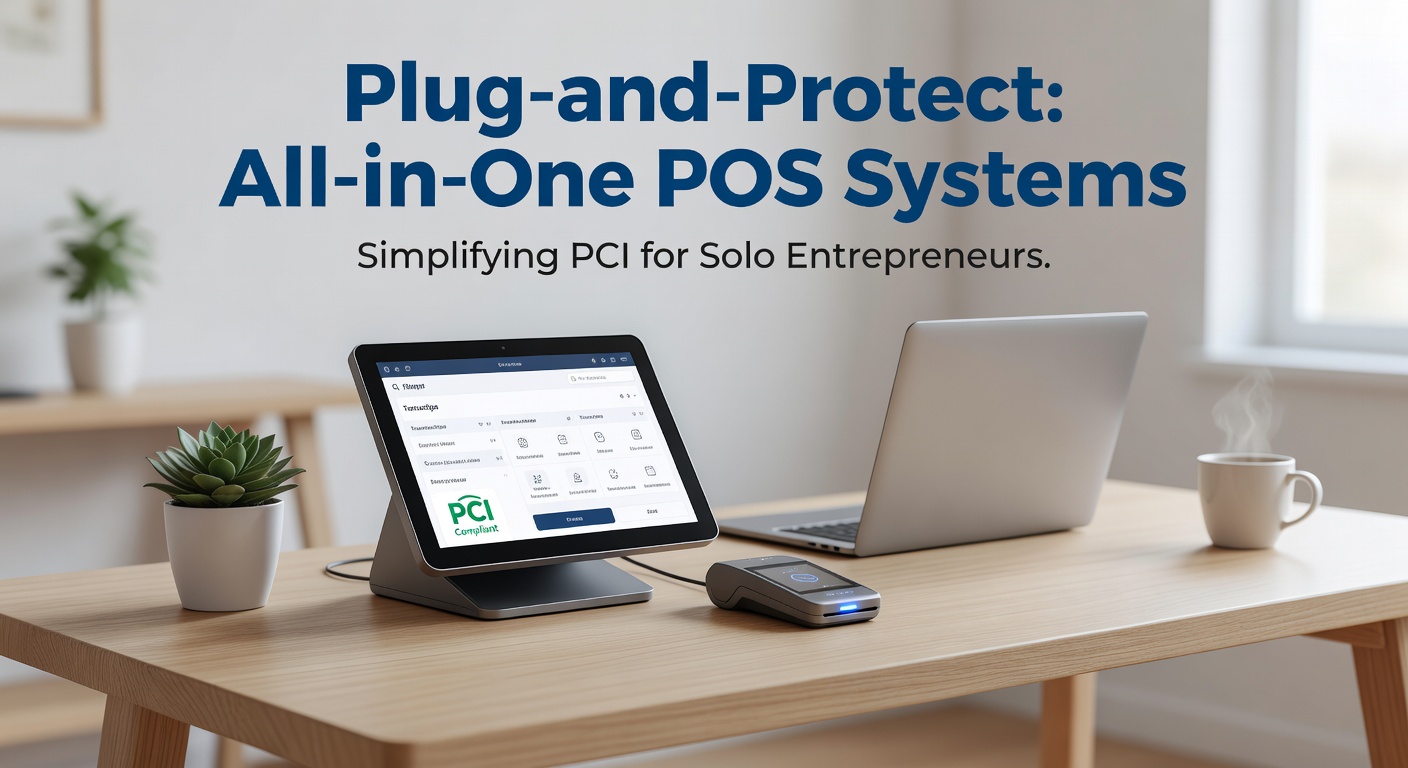
Real-World Wins: Case Studies from the Trenches
Consider Maria, a solo jeweler in Toronto, who launched her pop-up business in 2024; traditional setups meant juggling separate gateways and compliance consultants costing $5,000 yearly, but switching to a SumUp Solo device integrated everything for a flat 2.75% fee, with the provider handling all PCI validations; her transaction volume doubled within six months, breach worries vanished, and she reclaimed weekends once lost to audits.
Or look at Raj, a food truck operator in Sydney; Australia's Consumer Data Right rules added layers to PCI by 2025, demanding secure data flows, yet his Lightspeed POS unit, certified under PCI 4.0, automated consent tracking and tokenized receipts, enabling smooth compliance without hiring experts.
These stories highlight patterns observers note across markets; a 2025 Nilson Report survey found 68% of U.S. solo merchants using all-in-one systems report easier funding access too, since clean PCI records boost lender confidence for quick capital infusions.
Now, dig deeper into features driving this shift: dynamic CVV generation prevents replay attacks, biometric logins secure admin access, and AI-driven anomaly detection flags fraud in real-time, tools that make PCI not just compliant but proactive.
Tech Under the Hood: Tokenization and Beyond
Tokenization stands out as a core enabler; it swaps card details for unique identifiers useless to hackers, a method PCI DSS v4.0 endorses for reduced scope, while multi-factor authentication layers on top for remote management; providers push over-the-air updates quarterly, aligning with evolving threats like quantum computing risks projected for late 2020s.
Yet integration extends further; these POS connect to inventory apps, QuickBooks, or e-commerce platforms via APIs, creating unified ledgers where PCI-secured payments feed directly into reports, streamlining tax season for solos who juggle roles.
Scalability shines too; start with a countertop unit, upgrade to mobile sleds for events, all under one compliant umbrella, a flexibility that suits ventures growing from side hustles to full-time gigs.
Looking Ahead to April 2026 and Evolving Standards
By April 2026, PCI SSC's version 4.0.1 mandates custom payment form security and heightened account data destruction timelines, changes that all-in-one providers roll out seamlessly via software pushes; EU merchants, under PSD3 proposals, gain added interoperability requirements, but systems like Adyen's terminals already adapt with region-specific modules.
Turns out, adoption surges; Juniper Research projects 250 million all-in-one POS units worldwide by 2027, driven by solos in emerging markets where cash-to-card shifts accelerate, while U.S. Census data shows self-employed numbers climbing 15% yearly, fueling demand.
Challenges persist, though; rural connectivity lags can disrupt cloud reliance, so hybrid offline modes with batch syncing emerge as key, ensuring compliance even in dead zones.
Conclusion
All-in-one POS systems reshape PCI for solo entrepreneurs by packaging security into plug-and-protect simplicity, turning regulatory hurdles into background noise so focus stays on business; data confirms lower breach rates, faster setups, and scalable growth, patterns that experts predict will dominate as 2026 regs tighten.
Those diving in find not just compliance, but a competitive edge; after all, in a world where payments power everything, securing them effortlessly becomes the real game-changer.