19 Aug 2026
Pop-Up Stall Records: How Temporary Terminal Logs Unlock Tailored Advances for Mobile Market Operators
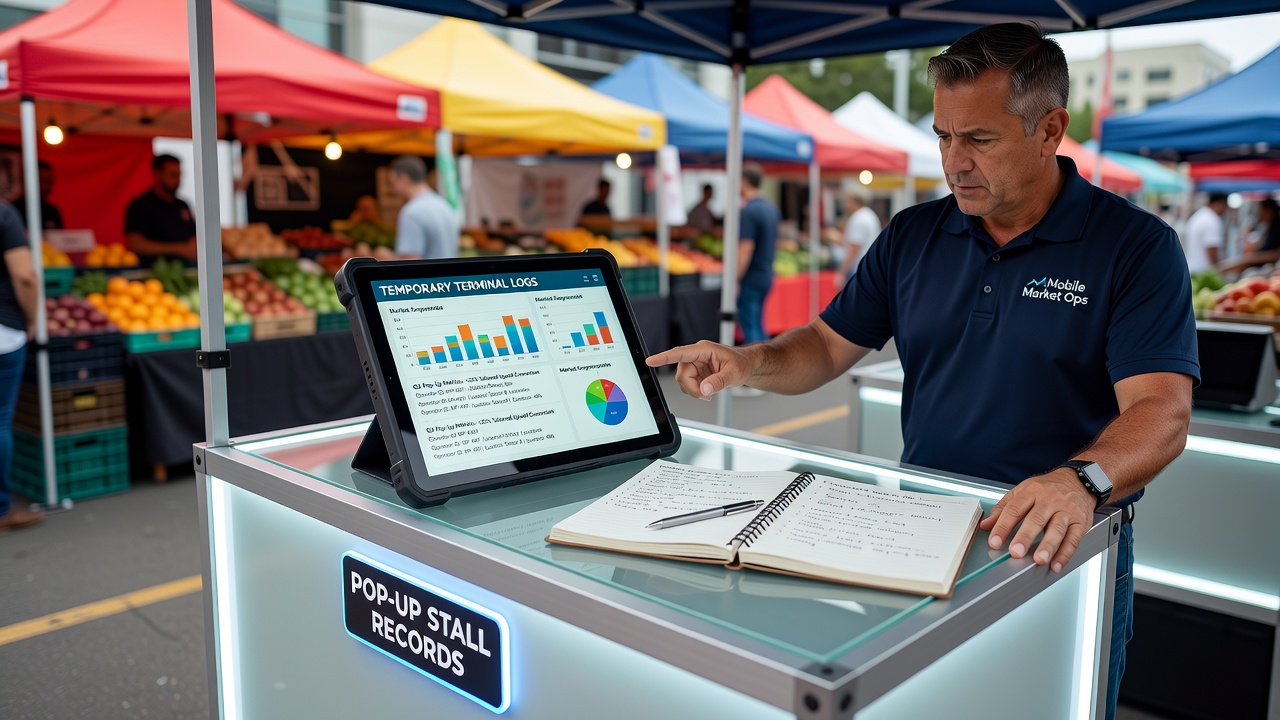
Pop-up market operators rely on short-term terminal deployments that capture detailed transaction activity during limited operational windows, and these logs create verifiable records that financing providers use to structure advances matched to individual sales patterns. Temporary terminals installed at farmers markets, craft fairs, and seasonal events generate data streams on volume, frequency, and payment methods that differ from permanent retail setups yet still demonstrate operational stability when aggregated over multiple events.
Data Capture in Temporary Environments
Operators set up portable payment devices for days or weeks at a time, and each device records every transaction with timestamps, amounts, and card types while complying with standard processing protocols. These records accumulate into session-based histories that financing platforms analyze for consistency across events rather than daily continuity, which allows assessors to identify peak performance periods and average daily yields even when locations change. Research from the Federal Reserve Bank of Chicago indicates that event-based transaction data provides reliable indicators of cash flow when operators participate in at least four events per quarter.
Security protocols built into modern temporary terminals encrypt logs at the point of capture, and this encryption supports secure transmission to cloud repositories where algorithms match historical patterns against advance eligibility criteria. Mobile market operators who maintain consistent device configurations across multiple venues produce cleaner data sets that reduce manual verification steps during funding reviews.
Log Aggregation and Advance Customization
Financing entities combine logs from successive pop-up engagements into unified profiles that reflect seasonal fluctuations and location-specific performance, and this aggregation enables advances sized according to demonstrated turnover instead of fixed business tenure requirements. One study from the University of Melbourne's payments research group found that operators using the same terminal hardware across events achieved 23 percent faster approval times compared with those submitting fragmented paper records.
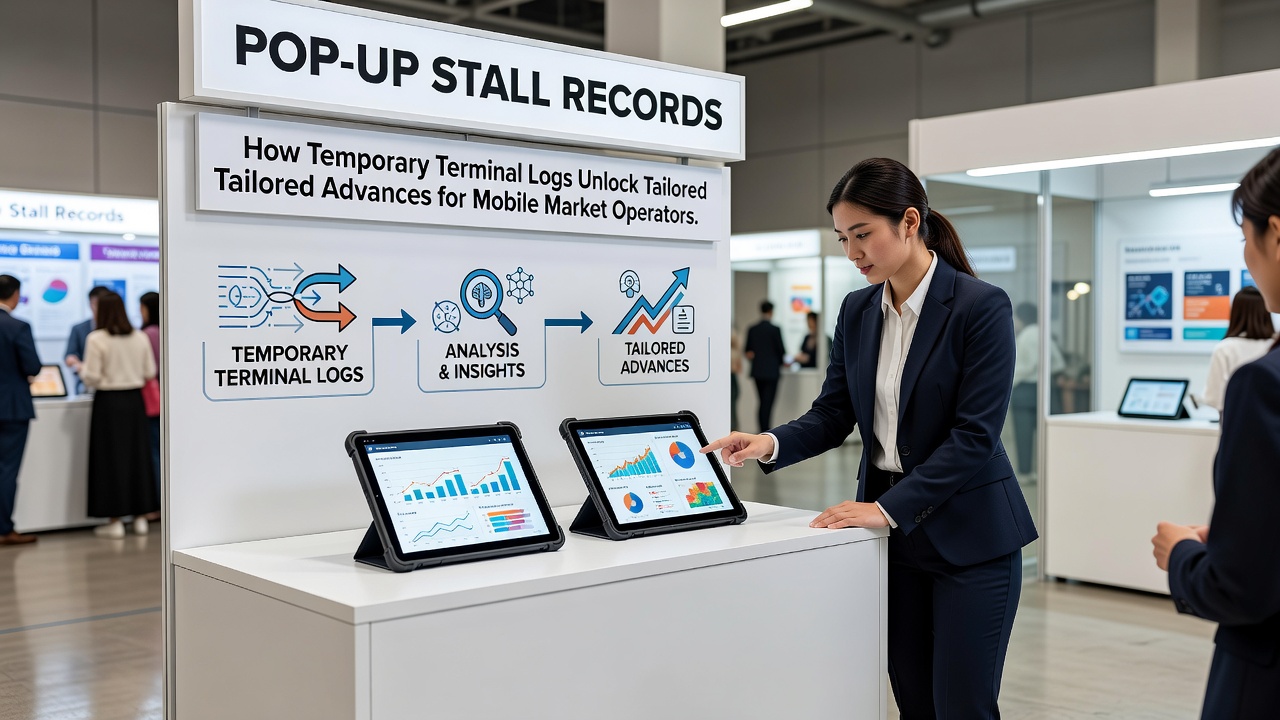
Advances become tailored when providers apply filters that isolate high-performing event types or product categories from the broader log set, and operators receive offers that scale with documented growth between successive markets. Data shows that repayment schedules aligned with projected event calendars reduce default rates because cash inflows match advance terms more closely than standard monthly installments.
Integration with Mobile Operator Workflows
Many operators now export terminal logs directly into accounting applications that flag eligible advance opportunities based on embedded criteria, and this integration eliminates separate data entry tasks that previously delayed applications. Systems deployed in August 2026 incorporate API connections that pull real-time session summaries from temporary devices into centralized dashboards used by both operators and lenders. Observers note that these connections also surface discrepancies such as sudden drops in average ticket size that might signal equipment issues rather than market conditions.
Regional variations appear in how logs influence terms, with providers in North America emphasizing total event volume while European platforms place greater weight on repeat customer indicators extracted from tokenized transaction details. Operators who rotate between multiple temporary sites benefit when logs include geolocation metadata that confirms activity across diverse venues without raising fraud flags.
Compliance and Record Retention Standards
Payment networks require temporary terminal operators to retain logs for defined periods that align with both regulatory mandates and financing documentation needs, and automated retention features built into current devices handle this storage without additional operator intervention. Guidelines issued by Payments Canada specify minimum data elements that must remain accessible for audit purposes, and these same elements satisfy most advance application checklists. When logs meet these standards, processing times shorten because underwriters encounter fewer information gaps.
Operators who migrate between hardware providers maintain continuity by standardizing export formats that preserve key fields across systems, and this standardization supports longitudinal analysis required for larger advance amounts. Figures from industry reports reveal that standardized log formats correlate with higher approval rates for seasonal vendors who lack traditional storefront documentation.
Conclusion
Temporary terminal logs from pop-up stalls supply the granular transaction evidence that financing platforms require to customize advances for mobile market operators, and the shift toward automated capture and aggregation continues to streamline access for vendors who operate outside permanent locations. As device capabilities expand, the connection between short-term records and tailored funding options strengthens without requiring operators to alter core market activities.