24 Jul 2026
Recurring Billing Data Streams from E-Commerce Gateways Informing Supplier Payment Negotiations Among Seasonal Craft Vendors
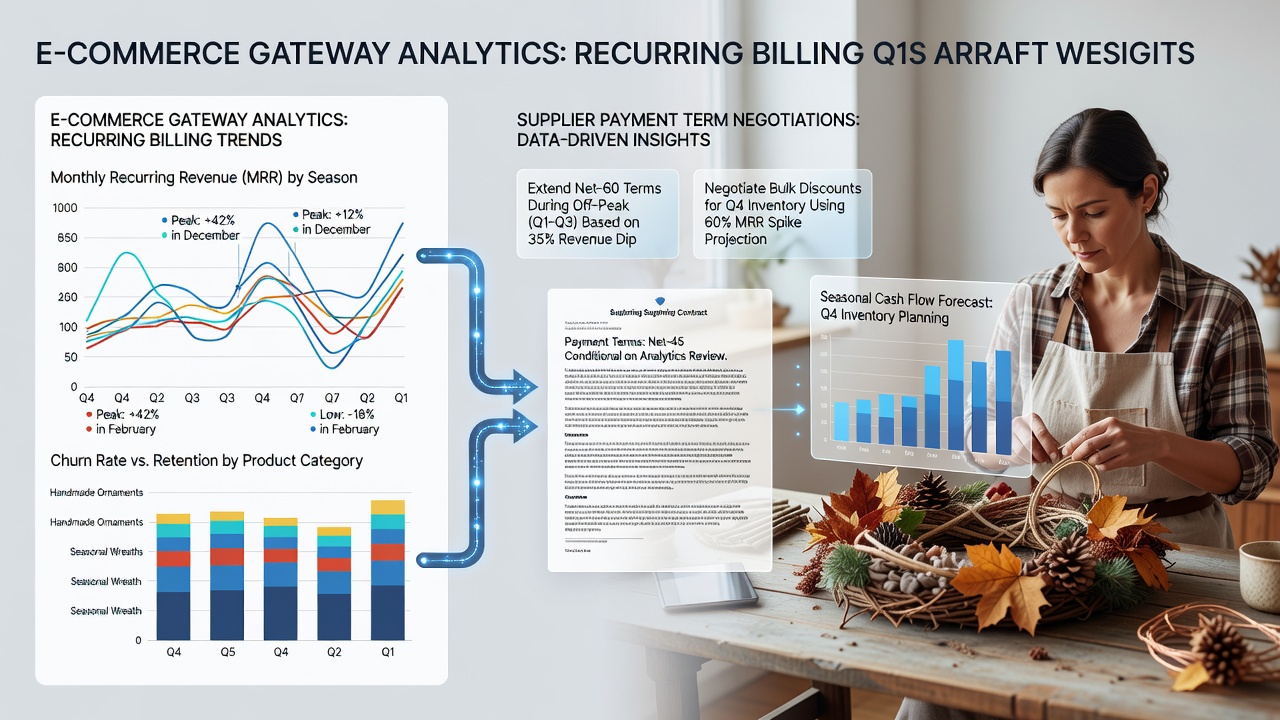
Seasonal craft vendors often rely on e-commerce gateways that process recurring billing to build predictable revenue streams, and those same gateways generate detailed analytics that vendors use when sitting down with suppliers to discuss payment terms. Data on subscription renewals, average revenue per user, and churn rates provide concrete figures that demonstrate stability during peak craft seasons and slower periods alike.
Gateways track metrics such as monthly recurring revenue, customer lifetime value, and payment success rates, which vendors compile into reports before contract discussions begin. These reports show suppliers how consistent inflows from subscription-based craft kits or repeat orders can support extended payment windows without increasing default risk.
Gateway Analytics and Revenue Predictability
Platforms capture transaction histories that break down recurring charges by product category, geographic region, and time of year, allowing vendors to identify patterns like higher renewal rates for holiday-themed craft supplies in the fourth quarter. In July 2026, multiple gateway providers released updated dashboards that incorporated seasonal forecasting tools, enabling craft sellers to project cash flows across the full calendar year rather than just peak market months.
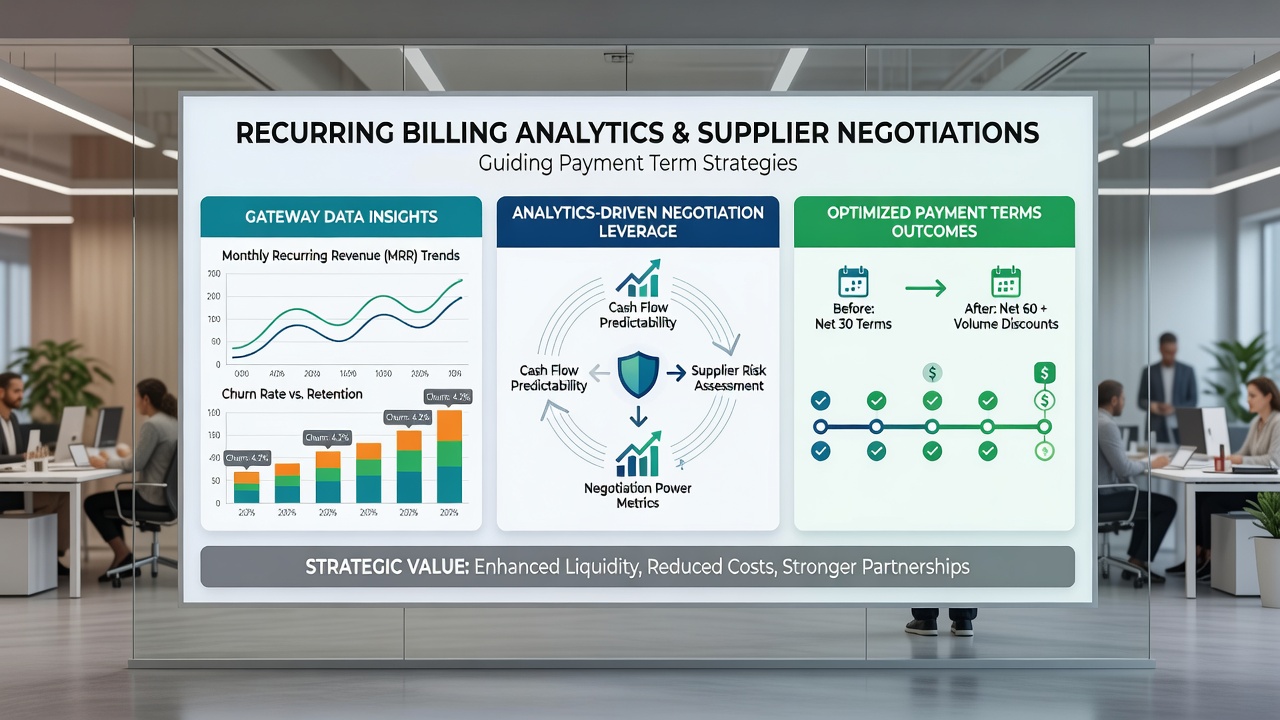
Vendors combine these analytics with historical sales data to present suppliers with evidence of steady inflows, which often leads to negotiations that adjust net-30 terms to net-60 or net-90 during off-season months. The process relies on verifiable numbers instead of verbal assurances, and suppliers gain visibility into the vendor's operational rhythm through shared dashboard excerpts or summarized reports.
Negotiation Strategies Grounded in Billing Metrics
Payment term discussions typically begin with vendors exporting recurring billing summaries that highlight low churn and high retention among repeat buyers of craft materials. Suppliers review these figures to assess whether the vendor can maintain inventory purchases without cash flow gaps, particularly when seasonal dips occur between major craft fairs.
One common approach involves presenting side-by-side comparisons of revenue before and after implementing recurring billing features, which illustrates how subscription models smooth out income fluctuations. This evidence helps shift conversations from fixed credit limits toward flexible arrangements that tie payment deadlines to projected recurring revenue milestones.
Real-World Application in Craft Supply Chains
Observers note that vendors who share gateway-generated cohort analyses often secure tiered pricing or deferred payment options because the data reveals consistent order volumes from loyal subscribers. For example, a vendor might demonstrate that 65 percent of recurring customers reorder every 30 days, providing a reliable baseline that suppliers factor into their own inventory planning.
Research from the U.S. Small Business Administration indicates that small retailers using subscription analytics report improved access to favorable supplier terms when they document predictable cash cycles. In parallel, a study conducted by researchers at the University of Melbourne found that seasonal vendors who leverage recurring billing data achieve an average 12 percent extension in payment terms compared with those relying solely on one-time transaction records.
Integration with Broader Financial Planning
Analytics from gateways also feed into broader cash flow models that vendors share during negotiations, showing how recurring income offsets supplier invoices timed to delivery schedules. This integration allows both parties to align payment due dates with expected subscription collections, reducing the need for short-term borrowing during transition months.
Additional metrics such as failed payment recovery rates and upgrade patterns further strengthen vendor positions, because they quantify operational resilience. Suppliers use these details to calibrate risk thresholds, often resulting in customized terms that reflect the specific seasonality of craft markets rather than generic retail benchmarks.
Conclusion
Recurring billing analytics supplied by e-commerce gateways equip seasonal craft vendors with quantifiable evidence that supports more precise negotiations over supplier payment terms. The data highlights revenue stability across seasons, enabling adjustments that align invoice schedules with actual collection patterns. As gateway tools continue to evolve, vendors gain additional layers of insight that refine these discussions and strengthen supply chain relationships based on shared, measurable forecasts.