26 Aug 2026
Recurring Revenue Rhythms: Connecting Gateway Transaction Consistency to Business Funding Opportunities for Subscription-Based Ventures
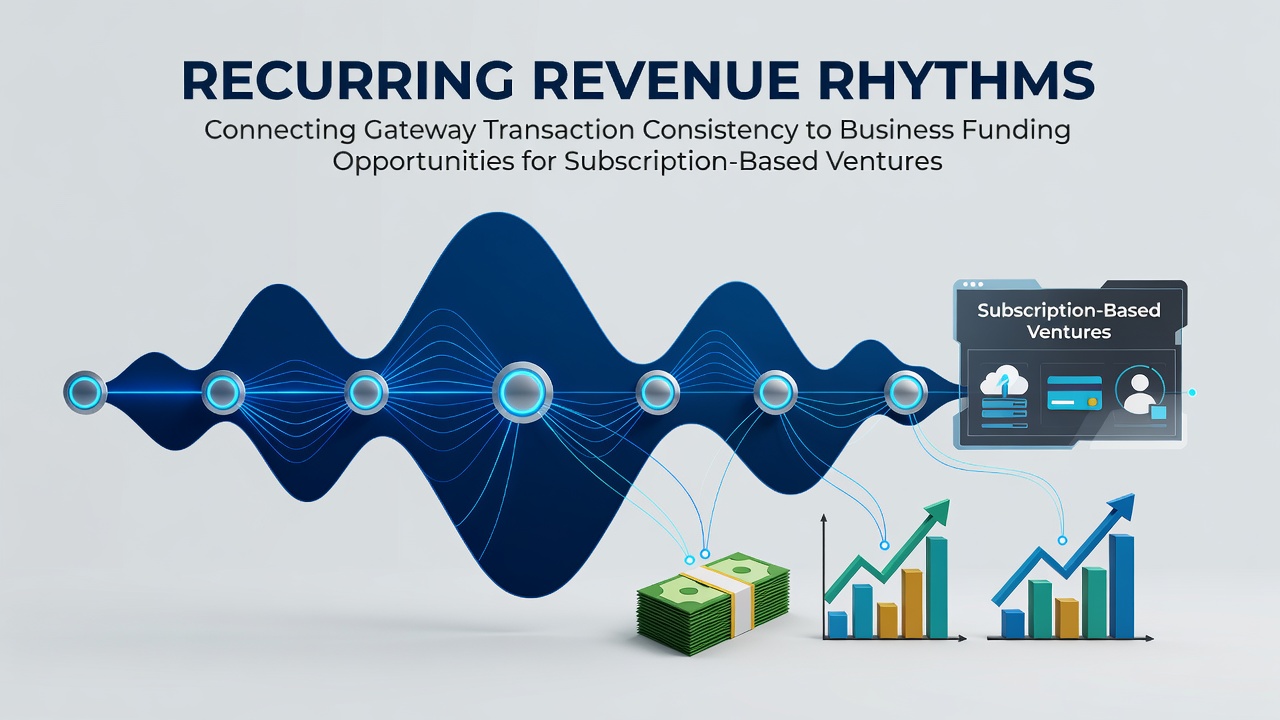
Subscription-based ventures rely on predictable income streams that payment gateways capture through repeated transaction records, and these patterns increasingly factor into financing evaluations by lenders and investors. Data from recurring billing cycles demonstrates stability when success rates remain high and interruptions stay low, which provides funders with measurable signals of operational health.
Gateway Data as a Predictor of Revenue Stability
Payment gateways log each subscription renewal with details on approval rates, timing intervals, and failure recoveries, creating datasets that reflect customer retention over months or years. Observers note that ventures maintaining above 95 percent monthly success rates often present stronger cases for capital access because the records show reduced volatility compared to one-time sales models. Research indicates these metrics align closely with cash flow forecasts that funding entities require during due diligence processes.
August 2026 figures from subscription economy tracking services revealed that companies sharing detailed gateway histories secured approval rates 18 percent higher than peers submitting only aggregate revenue summaries. Those who studied this pattern found the consistency in transaction timing helped distinguish temporary dips from structural issues in customer bases.
Linking Transaction Patterns to Financing Criteria
Lenders examine variables such as average transaction value, retry success after initial declines, and seasonal fluctuation ranges when assessing subscription portfolios. These elements combine into risk scores that influence loan amounts, interest terms, and equity investment valuations. Evidence suggests ventures with steady gateway outputs receive customized financing products designed around recurring revenue projections rather than standard small-business benchmarks.
Take one analysis conducted by European fintech researchers that examined 2,400 subscription firms across multiple sectors. The study connected gateway-verified renewal sequences directly to faster underwriting cycles, with consistent performers closing funding rounds in an average of 12 days versus 28 days for those lacking granular transaction logs. What's interesting is how this data layer reduces perceived uncertainty for capital providers operating under regulatory frameworks from bodies like the Australian Securities and Investments Commission.
Case Examples from Subscription Markets
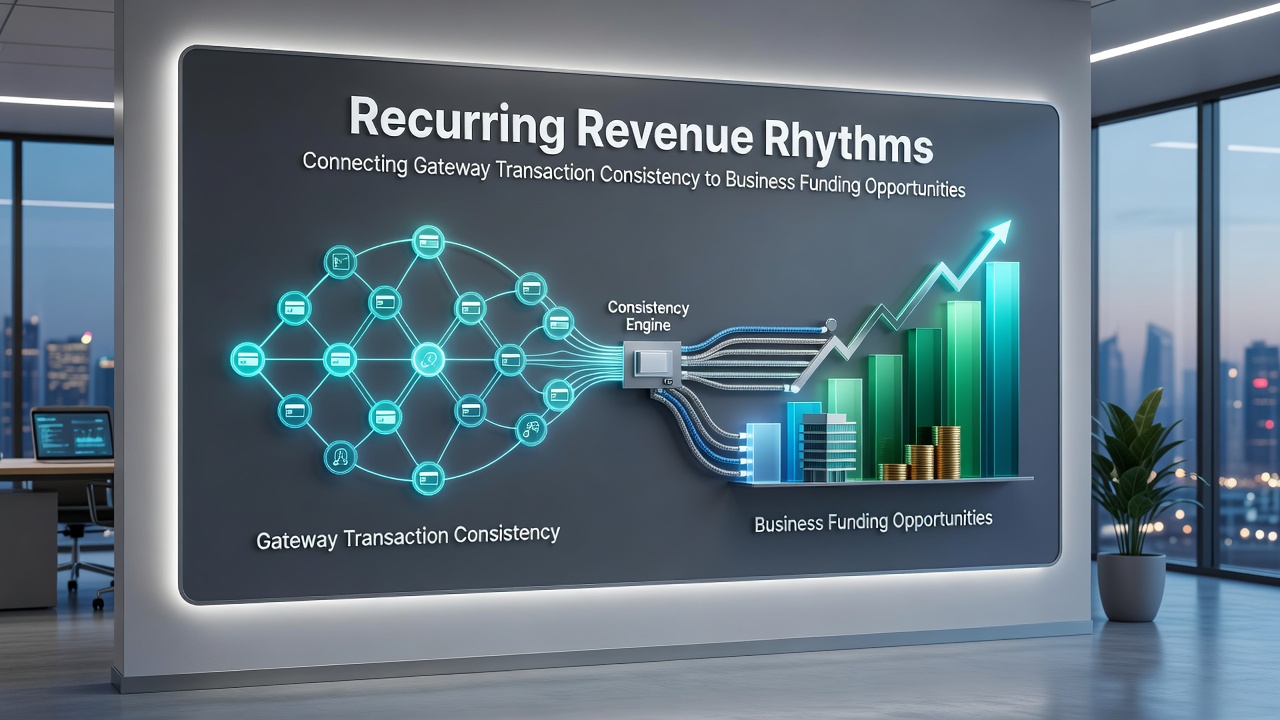
Software-as-a-service providers represent one segment where gateway consistency has opened doors to revenue-based financing arrangements. Companies that maintain transparent records of monthly recurring charges through gateways often qualify for advances calculated as multiples of verified subscription inflows. Data shows these arrangements scale with actual transaction performance, adjusting automatically when renewal patterns shift.
Media and content platforms have followed similar routes, with funders referencing historical gateway approval sequences to set covenant terms. One documented instance involved a digital newsletter service that used three years of gateway data to secure a revolving credit line, where draw amounts tied explicitly to sustained transaction volumes rather than fixed collateral requirements. Researchers discovered that such linkages encouraged better record-keeping practices among operators seeking ongoing capital access.
Regional Variations in Data Utilization
North American funding platforms have integrated gateway transaction feeds into automated scoring systems that prioritize subscription predictability, while European counterparts emphasize compliance documentation alongside the same metrics. Canadian regulatory reports highlight how consistent billing data supports cross-border financing applications by satisfying disclosure standards in multiple jurisdictions simultaneously. Academic papers from institutions tracking global fintech trends further confirm that subscription ventures supplying gateway-verified consistency data encounter fewer information asymmetries during investor reviews.
Yet the application process still requires ventures to segment their transaction records by customer cohort and geography so funders can isolate regional churn influences. This segmentation adds clarity without altering the core observation that reliable gateway outputs correlate with expanded funding eligibility across markets.
Conclusion
Subscription ventures continue to benefit when gateway transaction consistency becomes part of their funding narrative, as the resulting datasets supply objective measures that align with lender and investor evaluation models. Patterns in approval rates, timing regularity, and recovery performance translate into tangible advantages during capital negotiations. Those who've examined the connections between these elements report measurable differences in approval speed and term flexibility for operators who prioritize detailed record sharing. The relationship between recurring billing rhythms and financing access remains grounded in verifiable transaction evidence rather than estimates, positioning gateway data as a central component in subscription business development strategies.