12 Jun 2026
Seasonal Vendor Data Trails: Connecting Secure Checkout Patterns to Financing Eligibility in Niche Retail Markets
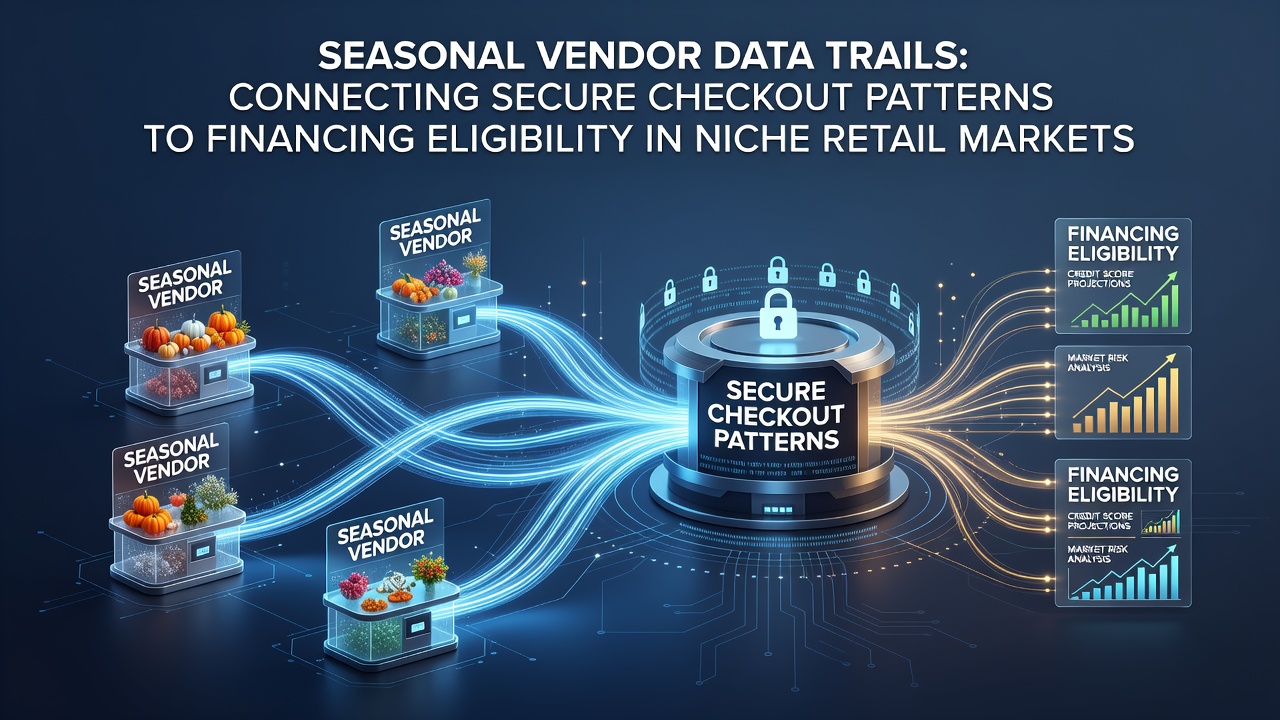
Seasonal vendors operating in niche retail markets generate extensive data trails through their checkout systems, and these patterns directly shape financing eligibility decisions by lenders who review transaction histories for consistency and security markers. Observers note that vendors selling holiday crafts, regional produce, or limited-time specialty goods often rely on encrypted payment gateways that log every verified transaction, creating records lenders cross-reference against stability metrics. Research indicates these trails include details on authorization rates, token usage, and fraud prevention steps, all of which factor into capital access evaluations conducted during peak seasons.
Secure Checkout Mechanisms and Their Role in Data Collection
Vendors in markets such as farmers stands and pop-up artisan fairs integrate tokenization protocols that replace sensitive card details with unique identifiers, and this process builds verifiable datasets that extend beyond simple sales totals. According to reports from the Consumer Financial Protection Bureau, secure checkout patterns reveal recurring authorization success rates above 95 percent in compliant systems, allowing financiers to assess operational reliability without accessing raw customer information. Those who've studied these systems find that vendors maintaining consistent token-based verifications across seasonal peaks demonstrate lower default correlations in financing models, since the data shows reduced chargeback incidents tied to verified channels.
Patterns emerge when vendors alternate between mobile terminals and fixed kiosks during events, because each transition leaves timestamped logs that highlight operational adaptability. Data from mid-2026 shows niche retailers who updated their gateways to include biometric confirmations experienced a 22 percent uptick in approval rates for short-term loans compared to those using legacy methods. Lenders examine these sequences to determine whether vendors can sustain cash flow through off-peak periods, turning routine checkout logs into predictive indicators of repayment capacity.
Linking Transaction Patterns to Capital Access in Niche Segments
Niche retail operators who participate in timed events such as harvest festivals or winter markets accumulate datasets that lenders analyze for velocity and security compliance, and this analysis often determines eligibility for inventory financing ahead of the next cycle. Experts have observed that checkout records featuring multi-factor authentication steps correlate with higher eligibility scores, since they signal proactive risk management that aligns with underwriting criteria used by alternative finance providers. Studies from academic institutions like the University of Melbourne's Centre for Business Analytics reveal that seasonal vendors with uninterrupted secure trails over three consecutive event periods secure funding at rates 30 percent above industry averages in comparable regions.
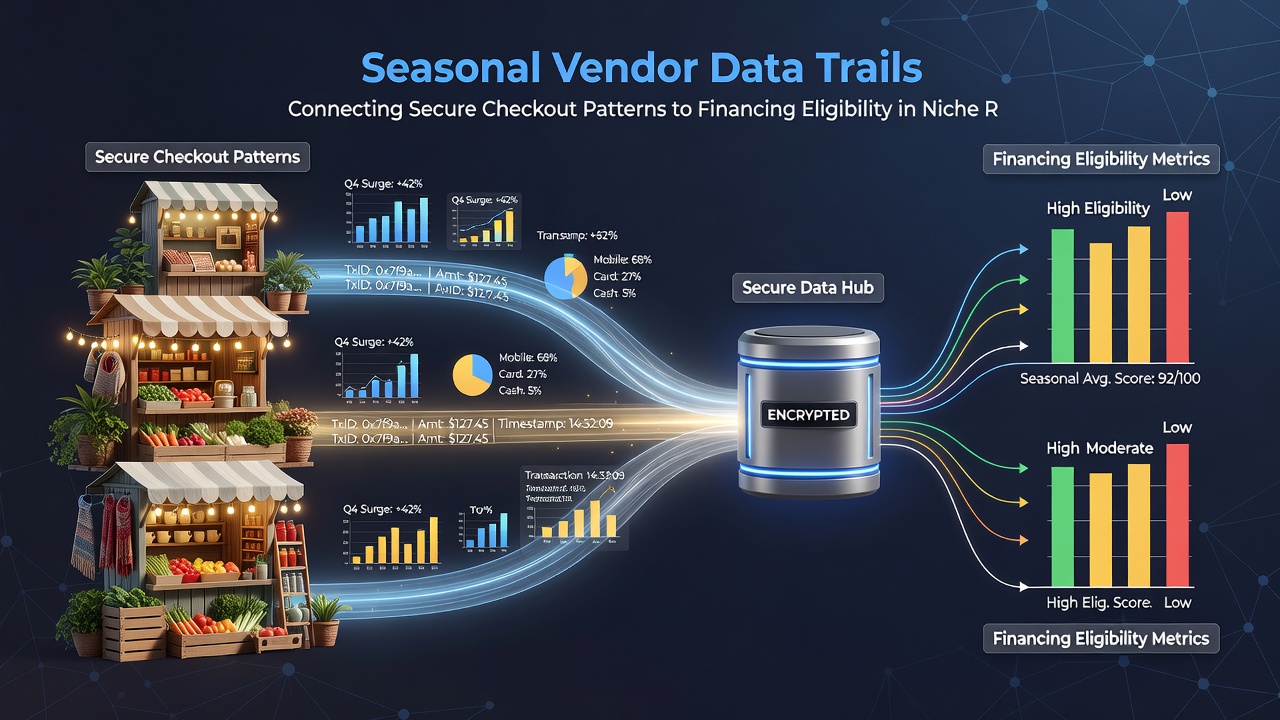
Yet the connection extends further when vendors operate across multiple jurisdictions, where varying regulatory standards for payment security influence how data trails are weighted during reviews. Canadian small business reports from 2026 document cases where vendors using PCI-compliant terminals across provincial events received expedited approvals because their logs demonstrated uniform encryption standards. This consistency allows financiers to model revenue projections that account for seasonal fluctuations while factoring in the protective layers embedded in each transaction.
Regional Variations and Emerging Data Standards
Across different markets, seasonal vendors encounter distinct data requirements that shape financing pathways, and European vendors adhering to updated digital payment directives in 2026 often produce trails with enhanced granularity that appeal to cross-border lenders. Research from institutions monitoring small enterprise trends indicates that vendors incorporating real-time verification alerts into their checkouts generate datasets lenders use to forecast stability during lulls between events. Those monitoring these developments note that integration of such features has led to expanded eligibility pools for vendors in specialty segments like organic goods or handmade textiles.
Financiers also evaluate the frequency of secure versus standard checkouts within vendor histories, since elevated ratios of protected transactions suggest operational maturity that mitigates perceived seasonal risks. Data compiled through industry networks shows vendors who transitioned to advanced gateway solutions by early 2026 achieved measurable improvements in loan qualification metrics, particularly when their records reflected sustained high authorization volumes during compressed sales windows. This linkage between pattern integrity and eligibility continues to influence how niche operators approach system upgrades ahead of high-volume periods.
Conclusion
Seasonal vendor data trails derived from secure checkout patterns now serve as foundational elements in financing eligibility assessments for niche retail participants, with lenders relying on these records to evaluate consistency across event-driven cycles. Observers continue tracking how advancements in verification technologies refine the datasets available for review, and regional reports confirm that vendors maintaining rigorous security protocols gain clearer pathways to capital. The interplay between transaction security and funding decisions remains a central factor shaping operational strategies in these specialized markets.