27 May 2026
Security Protocols in Virtual Payment Channels and Their Impact on Capital Acquisition for Digital Sellers
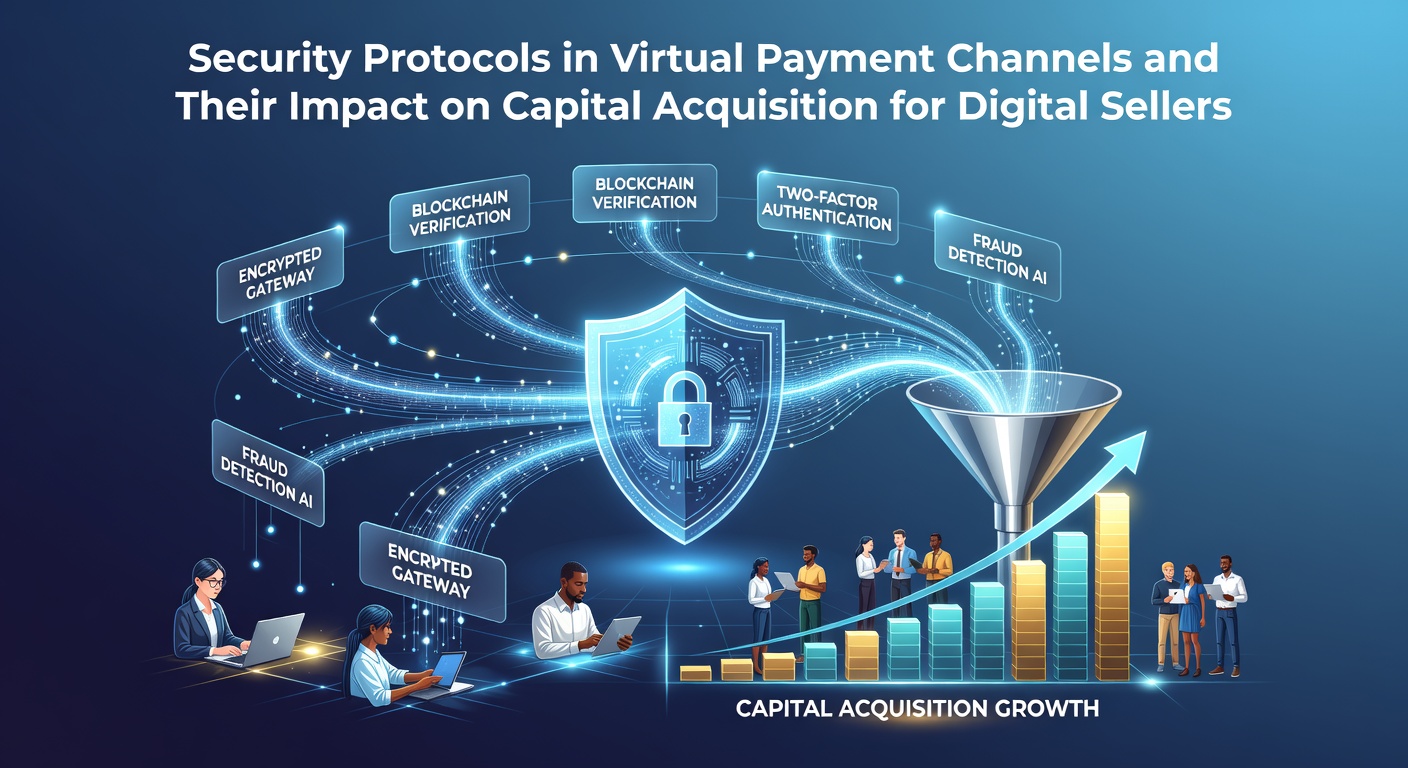
Virtual payment channels operate as off-chain mechanisms that facilitate rapid transaction settlements while relying on underlying blockchain security for dispute resolution and finality. Researchers at institutions focused on distributed ledger technology have documented how these channels employ layered protocols to protect funds during transfers between parties. Digital sellers who process high volumes through such systems gain access to verifiable transaction records that financial institutions use when evaluating capital requests.
Core Components of Channel Security
Multi-signature requirements combined with hash time-locked contracts form the backbone of many virtual channel implementations and ensure that neither party can unilaterally access funds without mutual agreement or proper timeout conditions. Observers note that revocation mechanisms allow participants to penalize attempts at publishing outdated channel states which adds another layer of protection against fraud. Data from transaction monitoring services shows that these features reduce successful breach incidents by substantial margins in active networks as of May 2026.
Encryption standards applied to channel communications further safeguard sensitive details during setup and ongoing operations while zero-knowledge proofs enable verification without exposing full transaction histories. Experts in cryptographic applications have tracked how these tools integrate with existing payment rails to create environments where digital sellers maintain control over liquidity without exposing assets to prolonged on-chain risks.
Transaction Integrity and Seller Operations
Digital sellers who integrate virtual channels into their platforms benefit from near-instant confirmations that traditional on-chain methods cannot match and this speed supports continuous sales cycles without settlement delays. Security audits conducted by independent firms reveal that properly implemented channels maintain fund integrity across thousands of sequential updates before any on-chain broadcast occurs. Those who've examined channel usage patterns across e-commerce segments report that sellers experience fewer interruptions from network congestion when relying on these protocols.

Capital providers increasingly reference channel-derived metrics when assessing merchant risk profiles because the immutable audit trails generated by these systems offer clearer pictures of cash flow stability. According to analyses from the Bank for International Settlements, payment channel adoption correlates with improved transparency in digital transaction volumes which lenders incorporate into financing decisions. Sellers gain opportunities to demonstrate consistent revenue streams backed by cryptographic guarantees rather than relying solely on aggregated bank statements.
Capital Access Mechanisms
Financial platforms that extend advances or lines of credit to digital sellers now incorporate channel security data into underwriting models because the protocols limit counterparty exposure and provide real-time visibility into fund movements. Research indicates that merchants operating within secured channels receive faster approval timelines for working capital products since verification processes can draw directly from encrypted ledgers. This connection becomes particularly relevant when sellers seek larger facilities to scale inventory or expand into new markets.
Regional variations appear in how regulators approach channel-based payments with the Reserve Bank of Australia publishing guidelines that address interoperability standards while Canadian authorities have examined similar frameworks through their digital currency initiatives. These developments allow sellers to align their channel usage with compliance requirements that strengthen applications for cross-border financing. Observers have documented cases where verified channel histories supported loan terms that reflected actual risk levels more accurately than traditional point-of-sale records alone.
Emerging Integration Trends
Developers continue to refine protocol updates that enhance channel capacity and reduce setup costs which broadens accessibility for smaller digital operations seeking capital partnerships. Industry reports highlight that sellers who maintain active channels with strong security postures attract attention from specialized lenders focused on technology-enabled commerce. The result appears in financing products that tie advance amounts directly to demonstrated channel throughput rather than broader business metrics.
Partnerships between payment processors and capital providers have produced tools that translate channel activity into standardized risk scores and these instruments help sellers present objective performance data during funding negotiations. Figures from transaction networks operating in 2026 illustrate growth in channel-based volumes among digital goods merchants which coincides with expanded capital offerings tailored to this segment.
Conclusion
Security protocols within virtual payment channels establish frameworks that protect assets while generating data streams useful for capital evaluation processes. Digital sellers who adopt these systems position themselves with verifiable transaction integrity that aligns with lender requirements across multiple jurisdictions. Continued protocol evolution supports broader integration and this trajectory points toward sustained connections between channel security and financing accessibility in digital commerce environments.