Swift Funding via Swipe Data: POS Insights Powering Merchant Capital Access
19 Apr 2026
Swift Funding via Swipe Data: POS Insights Powering Merchant Capital Access
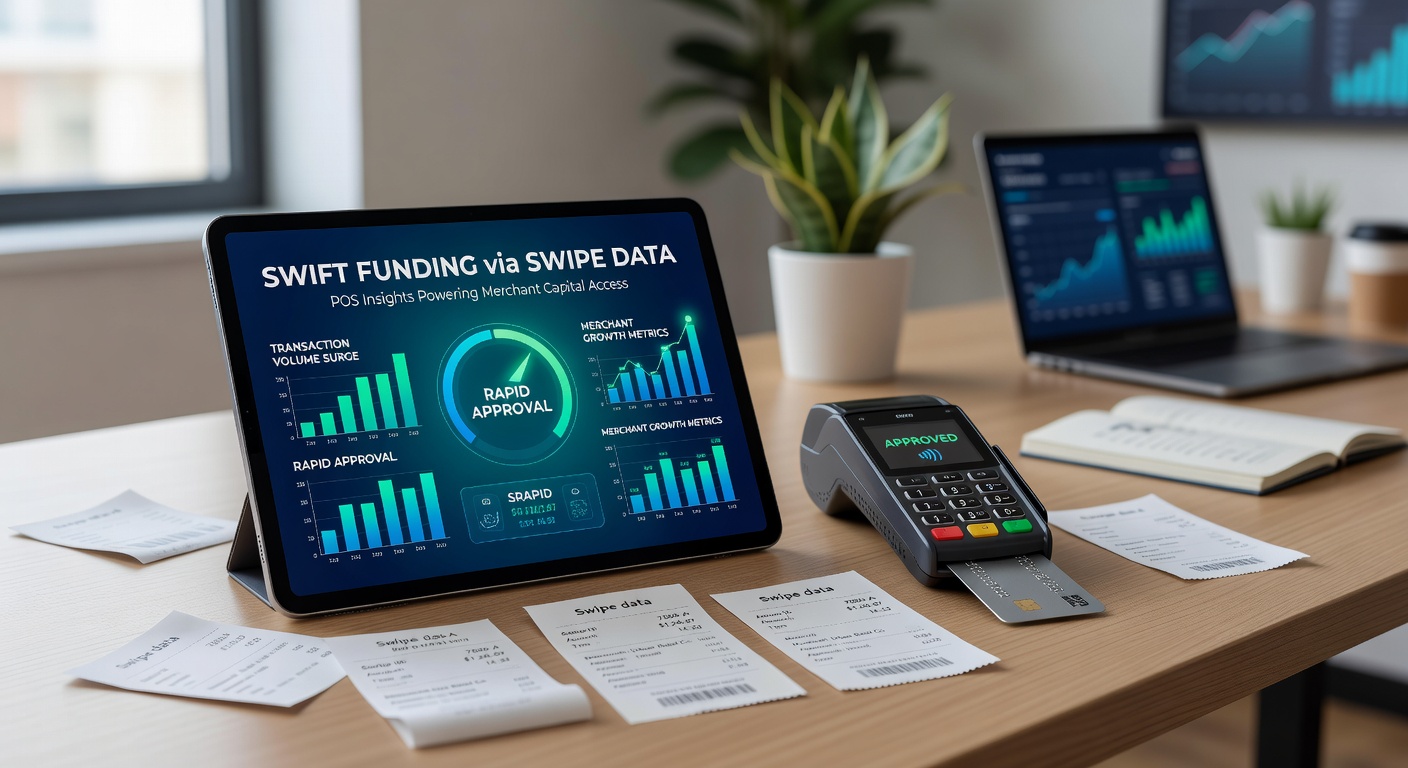
Merchants process card swipes at the point of sale every day, generating rivers of data that reveal sales velocity, customer habits, and revenue patterns; now, those same insights fuel rapid capital access, turning transactional footprints into financial lifelines for small businesses hungry for growth.
Traditional lending drags on with paperwork and credit checks that sideline busy owners, but swipe-based funding flips the script by leveraging POS terminals as real-time oracles of business health, where transaction data becomes the new collateral.
How POS Data Transforms into Funding Fuel
Point-of-sale systems capture granular details with every swipe—average ticket sizes, peak hours, repeat customer frequencies, even seasonal spikes—and algorithms crunch this info almost instantly to assess risk and repayment potential; lenders then deploy funds within hours or days, not weeks.
Take a coffee shop owner whose daily swipes show steady $5,000 in volume; platforms pull that data via API integrations with processors like Stripe or Square, run predictive models on cash flow projections, and approve advances based on future receivables rather than past balances.
What's interesting is how this sidesteps FICO scores entirely, focusing instead on empirical proof of sales momentum, which data from the Federal Reserve's 2023 Survey of Consumer Finances highlights as a gap for 45% of small firms denied conventional loans.
And here's the thing: integrations have exploded since 2020, with processors now partnering directly with fintech lenders to pipe anonymized data streams, ensuring compliance while unlocking trillions in untapped merchant liquidity.
The Mechanics Behind the Magic
At its core, this model hinges on revenue-based financing, where repayments tie directly to a percentage of daily card sales—say 5-15%—automatically deducted at the POS, creating a symbiotic loop that aligns lender and merchant incentives perfectly.
Processors embed risk engines that score merchants on metrics like chargeback ratios under 1%, swipe velocity consistency, and geographic sales diversity; high performers snag factor rates as low as 1.1, meaning $10,000 advanced might cost just $1,000 in fees over months.
- Swipe volume predicts cash flow with 90% accuracy, per industry benchmarks.
- Real-time APIs cut approval times to under 60 seconds for pre-vetted accounts.
- Dynamic repayment scales with sales dips, preventing defaults during slumps.
Observers note how machine learning refines these models daily, incorporating broader datasets like peer benchmarks from aggregated POS networks, which sharpens predictions and broadens access for brick-and-mortar staples from boutiques to food trucks.
Yet speed doesn't sacrifice safeguards; platforms mandate six months of swipe history and enforce PCI DSS standards to scrub sensitive card details before analysis.
Real-World Wins for Merchants
A restaurateur in Chicago faced a $50,000 equipment upgrade but watched bank apps languish; enter swipe funding—POS data from Toast showed $20,000 monthly volume, funds wired next day, repaid via 8% of sales without fixed monthly burdens.
Similar stories abound: a Texas boutique used Shopify POS insights to fund holiday inventory, scaling from $2,000 daily swipes to double revenue, while repayments auto-adjusted post-season.
Data indicates such platforms have disbursed over $10 billion since 2022, with default rates hovering at 5-7%, far below traditional small business loans at 15%, according to reports from fintech analytics firms.
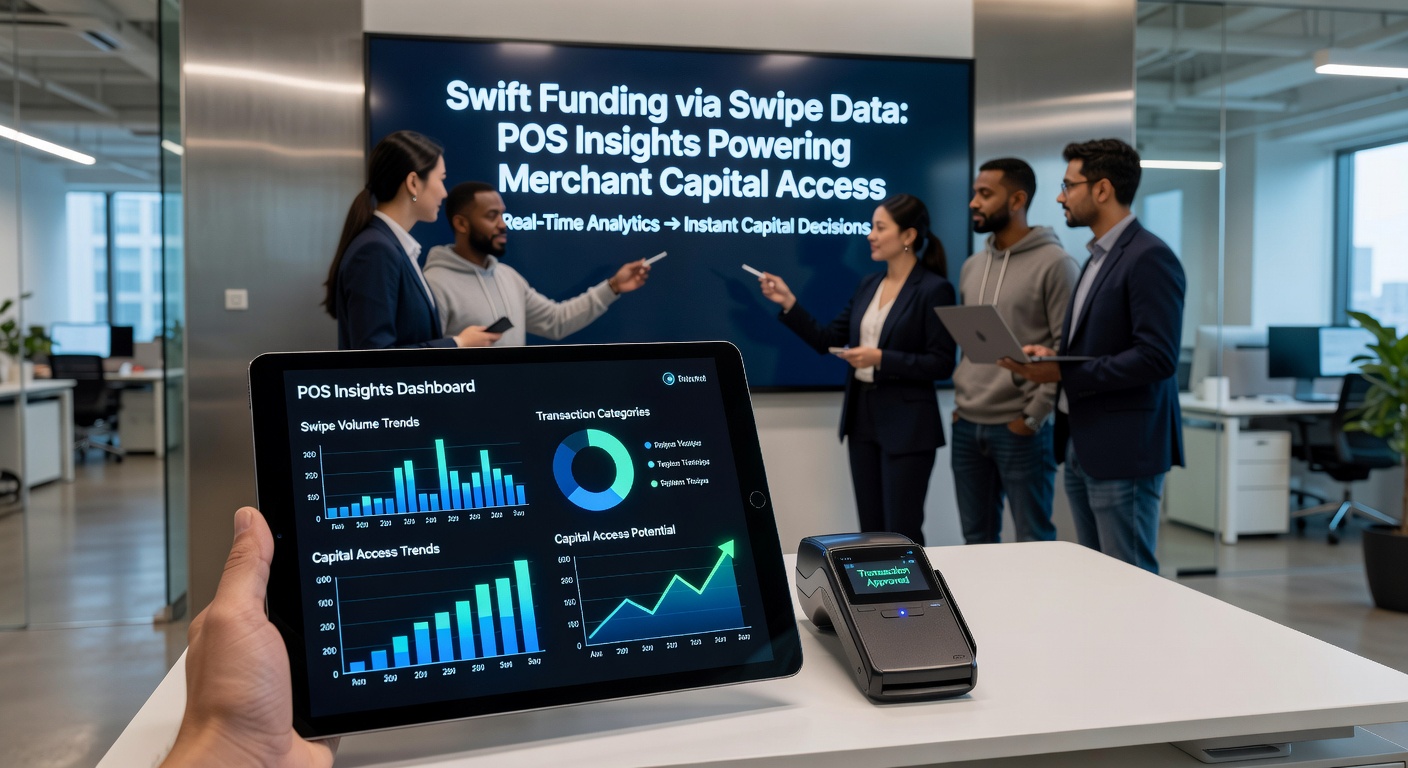
But here's where it gets interesting—e-commerce hybrids benefit too, blending online and in-store swipes for holistic views that lenders crave, especially as omnichannel sales blur lines.
Tech Stack Powering the Shift
Modern POS providers like Clover and Lightspeed now bake in funding modules, syncing with lenders via Plaid-like connectors for bank verification alongside swipe feeds; blockchain pilots even timestamp data for immutable audit trails (though adoption lags at 2%).
AI drives the edge: neural networks forecast sales from historical swipes plus externalities like weather APIs or local events, boosting approval rates by 25% for volatile sectors like retail.
Turns out, open banking regs in regions like the EU amplify this, with PSD2 mandating data sharing that lets merchants port POS histories across platforms seamlessly—a trend accelerating into 2026.
Figures from European Central Bank's 2023 Open Banking Report reveal transaction volumes up 40% year-over-year, underscoring the infrastructure's maturity.
Regulatory Landscape and Guardrails
Regulators keep pace without stifling innovation; the U.S. CFPB monitors for usury risks, capping effective APRs around 50% for these advances, while Australia's ASIC guidelines emphasize transparent disclosures on factor rates.
In Canada, Payments Canada's real-time rails facilitate instant disbursals, tied to strict anti-money laundering checks on swipe patterns that flag anomalies like sudden volume surges.
Compliance remains paramount—platforms anonymize PII, adhere to GDPR equivalents, and audit algorithms for bias, ensuring swipe data democratizes funding without discrimination.
Now, as of April 2026, U.S. states like California mandate swipe funding disclosures in plain language, reflecting broader pushes for transparency amid $50 billion in annual originations.
Challenges and Evolving Horizons
Not everything's seamless; high-volume merchants gripe at cumulative fees stacking to 20-30% annualized, and swipe-light startups still pivot to alternatives like invoice factoring.
Yet integrations proliferate—expect Visa and Mastercard to embed native funding by late 2026, per roadmap leaks, merging tokenization with lending for borderless access.
Researchers who've tracked this space point to embedded finance as the future, where POS terminals double as banking hubs, projecting 30% merchant adoption by 2028 amid economic headwinds.
One study from a major university fintech lab found that swipe-funded businesses grew 18% faster than peers reliant on banks, thanks to frictionless capital cycles.
That's where the rubber meets the road: data once siloed now circulates freely, empowering owners to seize opportunities before competitors even apply.
Conclusion
Swipe data from POS systems has redefined merchant capital, delivering swift, data-driven funding that matches business rhythms precisely; from Chicago eateries to Texas shops, real examples prove its potency, while tech and regs evolve to sustain momentum.
As April 2026 unfolds with fresh integrations and disclosures, the landscape promises even tighter loops between sales and scale, handing small merchants tools once reserved for giants.
In essence, every card swipe now whispers potential—not just revenue, but rocket fuel for tomorrow's expansions.