Syncing Screens and Counters: Unified Payment Ecosystems for Omnichannel Retailers
24 Apr 2026
Syncing Screens and Counters: Unified Payment Ecosystems for Omnichannel Retailers
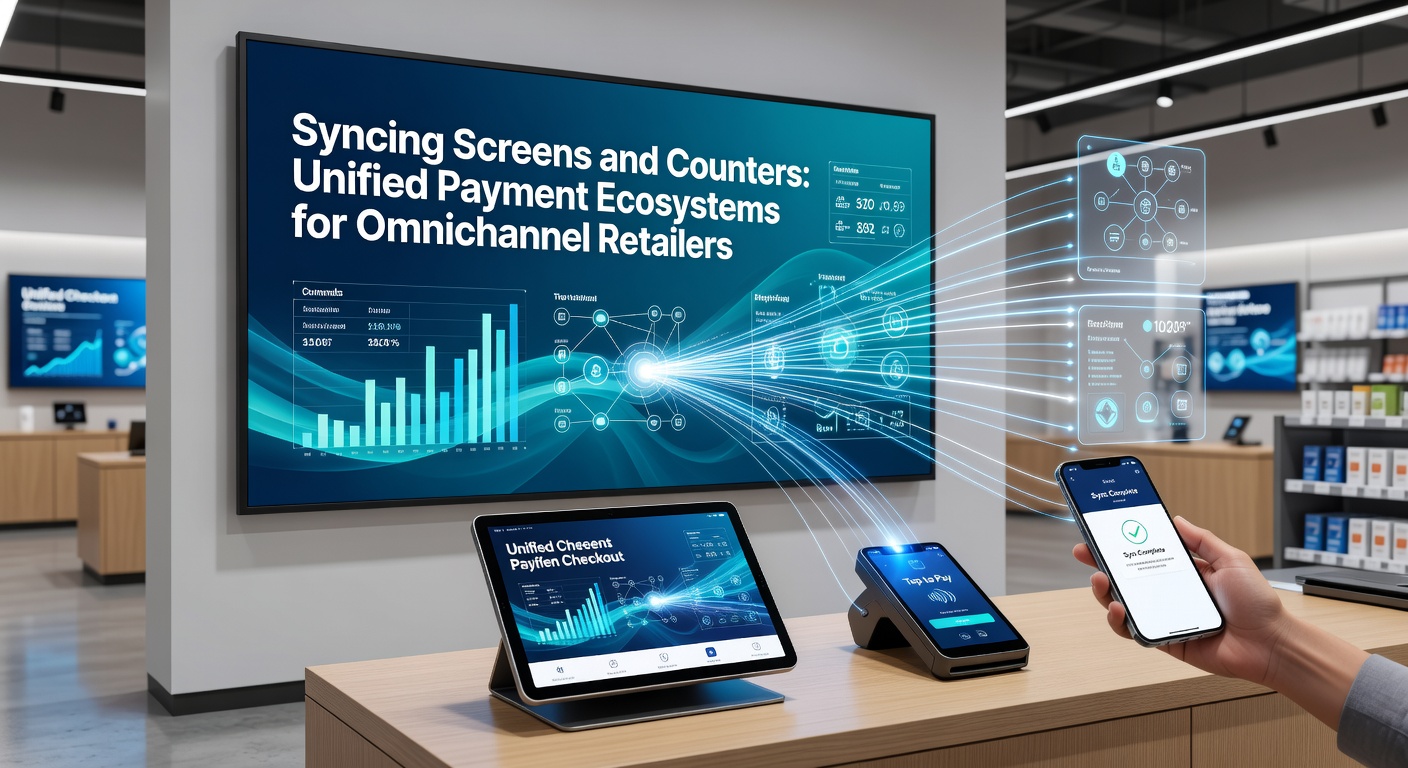
The Rise of Omnichannel Retail and Payment Challenges
Retailers today navigate a landscape where customers seamlessly shift between online browsers, mobile apps, and physical stores, expecting payments to work just as fluidly across all touchpoints; yet, fragmented systems often create friction, leading to abandoned carts or mismatched inventory. Data from recent industry reports reveals that omnichannel strategies boost customer retention by up to 91%, according to figures released by McKinsey & Company, while those who fail to unify payments see conversion rates drop by 30% or more during peak shopping seasons. Experts observe how this disconnect arises from legacy POS terminals clashing with e-commerce platforms, resulting in delayed refunds, duplicate charges, or invisible loyalty points that frustrate shoppers mid-transaction.
Take one major apparel chain that experimented with separate online and in-store payment processors; customers who bought online couldn't apply in-store credits without jumping through hoops, and inventory mismatches led to oversold items, costing the business millions in returns. That's where unified payment ecosystems step in, syncing screens and counters into a single, cohesive flow that treats every channel as part of one organism.
Breaking Down Unified Payment Ecosystems
At their core, these ecosystems integrate payment gateways, POS hardware, and backend software to process transactions uniformly, whether a customer taps a card at the counter, clicks "buy now" on a website, or scans a QR code via app; this unification relies on APIs that shuttle data in real-time, ensuring a single customer profile spans all channels. Researchers at Gartner note that by 2025, 80% of retailers will adopt such systems to handle the surge in hybrid shopping, with adoption accelerating further into April 2026 amid new interoperability mandates from regional regulators.
But here's the thing: it's not just about payments; inventory levels update instantly post-purchase, loyalty rewards accrue across devices, and fraud detection layers activate universally, pulling from a shared data pool that spots anomalies faster than siloed setups ever could. One study from the Payments Canada annual report highlights how Canadian retailers using unified platforms reduced payment disputes by 25%, since every transaction links back to the same ledger, eliminating "he said, she said" scenarios between online and offline teams.
And while setup sounds complex, cloud-based solutions from providers like Stripe or Adyen make it straightforward, plugging into existing e-commerce tools such as Shopify or WooCommerce without ripping out old hardware; the result? A merchant dashboard where one view shows total sales, channel breakdowns, and pending settlements, all refreshed every few seconds.
Key Technologies Powering the Sync
APIs form the backbone, enabling bi-directional data flow between digital storefronts and physical registers, so when a customer reserves an item online for in-store pickup, the POS instantly blocks it from other buyers; add in tokenization—which swaps sensitive card details for unique identifiers—and you've got security that persists across channels without re-entering info. Blockchain enters the picture too for select high-volume retailers, offering immutable ledgers that verify cross-border transactions in seconds, although most stick to established protocols for now.
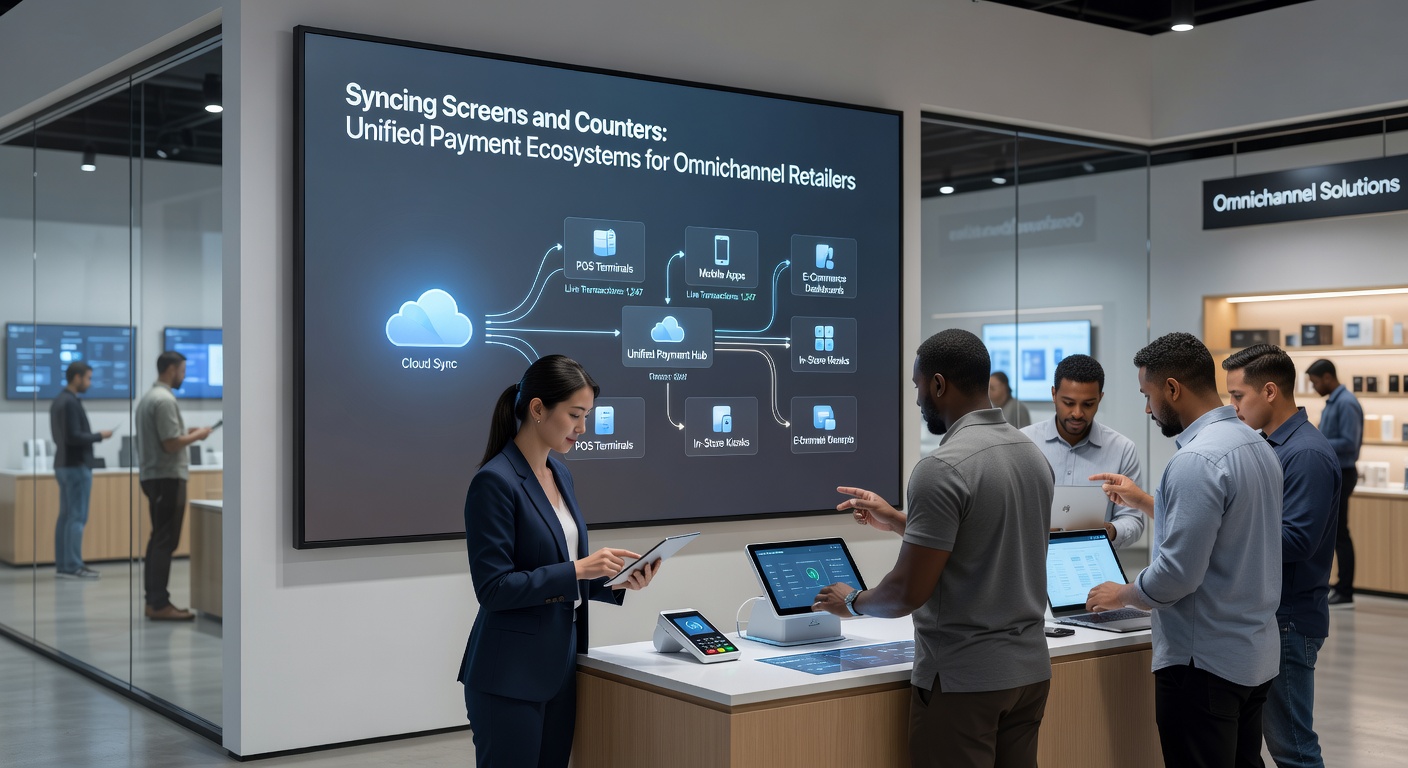
What's interesting is how AI layers on top, predicting peak loads or flagging unusual patterns—like a card used online then swiped suspiciously at a distant store—while machine learning refines personalization, suggesting upsells based on full purchase history regardless of channel. Observers point to April 2026 as a tipping point, when the European Central Bank's updated retail payment directives demand even tighter integrations for cross-border omnichannel flows, pushing more retailers toward these tech stacks.
Yet, hardware plays a role too; modern POS like Square or Clover double as online gateways, processing contactless payments that mirror app experiences, complete with digital receipts sent via email or SMS, bridging the gap between digital natives and traditional shoppers who still prefer the tactile swipe.
Real-World Case Studies and Measurable Gains
Consider a mid-sized grocery chain in the US that rolled out a unified system in 2024; online orders now sync directly to in-store fulfillment counters, cutting pickup wait times from 20 minutes to under 5, and sales jumped 18% within six months, per internal metrics shared at industry conferences. Data indicates similar wins elsewhere: Australian retailers integrating via the Reserve Bank of Australia's New Payments Platform saw cart abandonment fall by 22%, since customers trust the seamlessness, knowing their basket won't vanish upon store arrival.
There's this electronics retailer too, where buy-online-pickup-in-store (BOPIS) exploded post-unification; previously, 15% of orders faced stock discrepancies, but now real-time syncing ensures accuracy, boosting satisfaction scores from 72% to 94% and repeat visits by 30%. Figures from Forrester Research back this up, showing omnichannel pros with unified payments enjoy 23% higher average order values, as customers splurge more when friction vanishes across screens and counters.
Even smaller boutiques benefit; one fashion outlet linked its Etsy shop to a tablet-based POS, allowing seamless returns regardless of purchase origin, which turned one-time buyers into loyalists, with lifetime value rising 40% according to their case study. It's not rocket science—sync the data, watch the revenue flow.
Challenges persist, of course, like initial integration costs averaging $50,000 for chains under 50 stores, or compliance hurdles with varying regional regs, but ROI hits within 9-12 months for most, as evidenced by IDC surveys tracking post-adoption metrics.
Navigating Regulations and Future Shifts
Regulators worldwide push for these unifications, with the US Federal Reserve's faster payments initiatives aligning POS data with instant digital settlements by early 2026, while EU's PSD3 framework—set for full enforcement around April 2026—mandates open APIs for omnichannel transparency, reducing fraud risks that plague disjointed systems. Turns out, this regulatory tailwind accelerates adoption, as non-compliant retailers face fines up to 4% of global turnover under GDPR extensions.
Looking ahead, 5G and edge computing will supercharge sync speeds, enabling AR try-ons that trigger immediate payments across devices, and embedded finance will let retailers offer instant BNPL options unified at every counter. Experts who've tracked this space predict that by 2027, 70% of global retail transactions will flow through such ecosystems, driven by consumer demand for "channel-agnostic" experiences.
So, retailers ignoring this? They're leaving money on the table, since unified systems don't just process payments—they orchestrate the entire customer journey, from browse to buy to beyond.
Conclusion
Unified payment ecosystems transform omnichannel retail from a buzzword into a revenue engine, syncing screens and counters so seamlessly that customers barely notice the handoff, yet businesses reap the rewards in loyalty, efficiency, and growth. As April 2026 brings tighter regs and faster tech, those who invest now position themselves ahead, turning potential chaos into coordinated cash flow; the data's clear, the path's proven—sync up or get left behind in a world where shopping knows no bounds.