21 Jun 2026
Terminal Configuration Strategies for Reducing Processing Errors in High-Volume Event Ticketing Systems
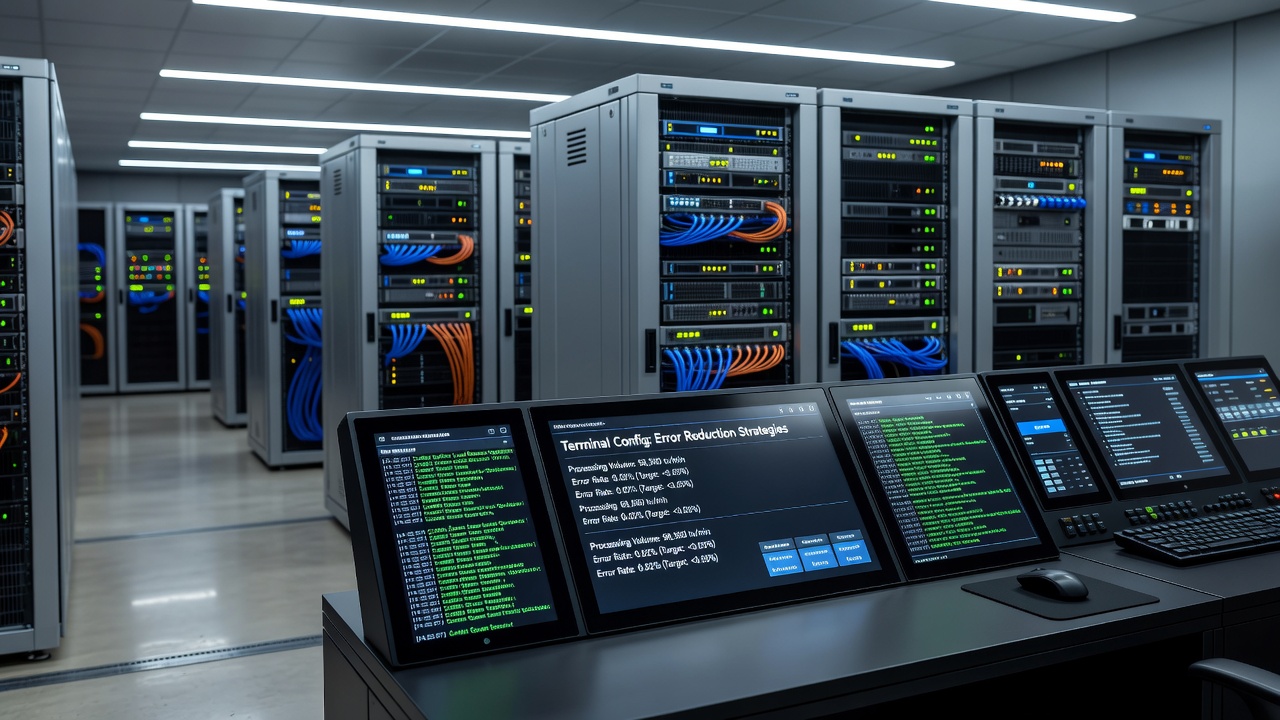 High-volume event ticketing systems rely on properly configured terminals to handle rapid entry flows at concerts, sports matches, and festivals, where processing errors can create bottlenecks and attendee frustration. Data from industry reports shows that misconfigured barcode readers and network timeouts account for a significant portion of entry delays during peak periods, and terminal adjustments address these issues directly through targeted hardware and software settings. Observers note that terminals in such environments often operate under intense conditions, with thousands of scans occurring within short windows. Configuration begins with hardware calibration, including adjustments to scanner sensitivity and light intensity levels that match venue lighting conditions. Research indicates these tweaks reduce misreads by aligning device parameters with common ticket formats like QR codes and NFC tags used across major events. Software parameters further refine performance when operators set appropriate timeout thresholds and retry protocols. Shorter timeouts prevent devices from hanging on failed scans while extended retry limits allow recovery from temporary glitches without forcing manual intervention. Those who've implemented these changes report smoother operations during high-traffic intervals, particularly when multiple terminals sync their configurations through centralized management platforms. Network optimization forms another key layer, as terminals frequently connect via Wi-Fi or cellular links that fluctuate in crowded venues. Experts recommend configuring devices to prioritize local caching of ticket validation data, which enables continued operation during brief connectivity drops. According to findings from the European Network and Information Security Agency, such offline capabilities maintain accuracy rates above 99 percent even when primary networks experience congestion.
Hardware and Firmware Adjustments
Terminal hardware benefits from firmware updates that incorporate error-correction algorithms tailored for ticketing applications. People managing large-scale events often schedule these updates in advance of peak seasons, ensuring compatibility with evolving ticket encryption standards. Firmware settings can also limit simultaneous connection attempts, which prevents overload on shared venue bandwidth during rush entries.
Firmware logs provide additional insights when configured to capture error patterns at regular intervals. This data helps identify recurring issues like specific ticket types triggering failures, allowing for preemptive adjustments before events begin. In June 2026, several major stadium operators adopted updated firmware versions that include enhanced logging for real-time diagnostics, demonstrating measurable reductions in entry processing delays.Software Protocol Configurations
Software settings extend beyond basic timeouts to include validation rule customizations that account for ticket variations across different event organizers. Terminals configured with flexible parsing rules handle mixed ticket formats without requiring separate device profiles for each event type. This approach proves especially useful in multi-venue festivals where diverse ticketing platforms operate simultaneously.
Integration with backend databases requires careful setup of synchronization intervals and conflict resolution protocols. Researchers discovered that staggered sync schedules across terminal groups reduce database strain while maintaining consistent validation states. Active monitoring tools track these processes and flag discrepancies before they escalate into widespread errors.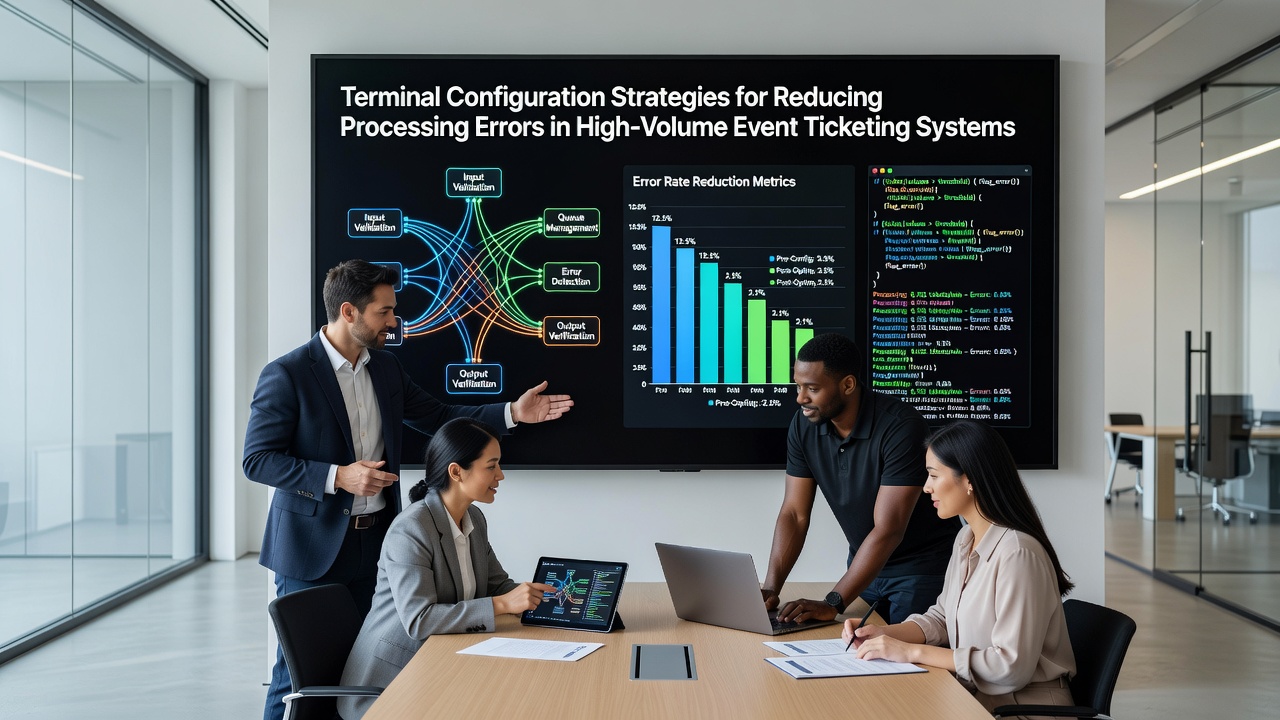
Network and Security Settings
Network configurations play a decisive role when terminals must authenticate tickets against remote servers under heavy load. Settings that enable automatic failover between connection types maintain processing continuity, while bandwidth throttling prevents individual devices from monopolizing available resources. Industry organizations such as the Event Safety Institute have documented cases where these adjustments supported uninterrupted operations at venues handling over 50,000 attendees.
Security protocols integrated into terminal configurations add another dimension by encrypting data streams without introducing excessive latency. Balanced encryption settings protect sensitive ticket information yet preserve scan speeds essential for high-volume throughput. Observers note that overly aggressive security parameters can paradoxically increase errors through added processing overhead.Monitoring and Maintenance Practices
Effective terminal management incorporates ongoing monitoring dashboards that display real-time error rates and device health metrics. Staff trained on these tools can reconfigure parameters on the fly when patterns emerge during live events. Data shows that proactive adjustments based on live feedback loops cut overall processing errors by measurable margins compared to static setups. Maintenance schedules that include regular terminal resets and cache clearing prevent gradual performance degradation from accumulated temporary files. Venues that adopt automated maintenance scripts tied to usage thresholds experience fewer unexpected failures during critical entry windows.
Conclusion
Terminal configuration strategies encompass hardware calibration, software protocol tuning, network optimizations, and continuous monitoring to minimize processing errors in high-volume ticketing environments. Evidence from operational deployments confirms that systematic application of these approaches supports reliable performance even under demanding conditions. As event scales continue to grow, refined terminal settings remain central to efficient attendee processing across the industry.