19 Jul 2026
Terminal Firmware Updates and Their Connection to Supplier Credit Terms in Independent Grocery Networks
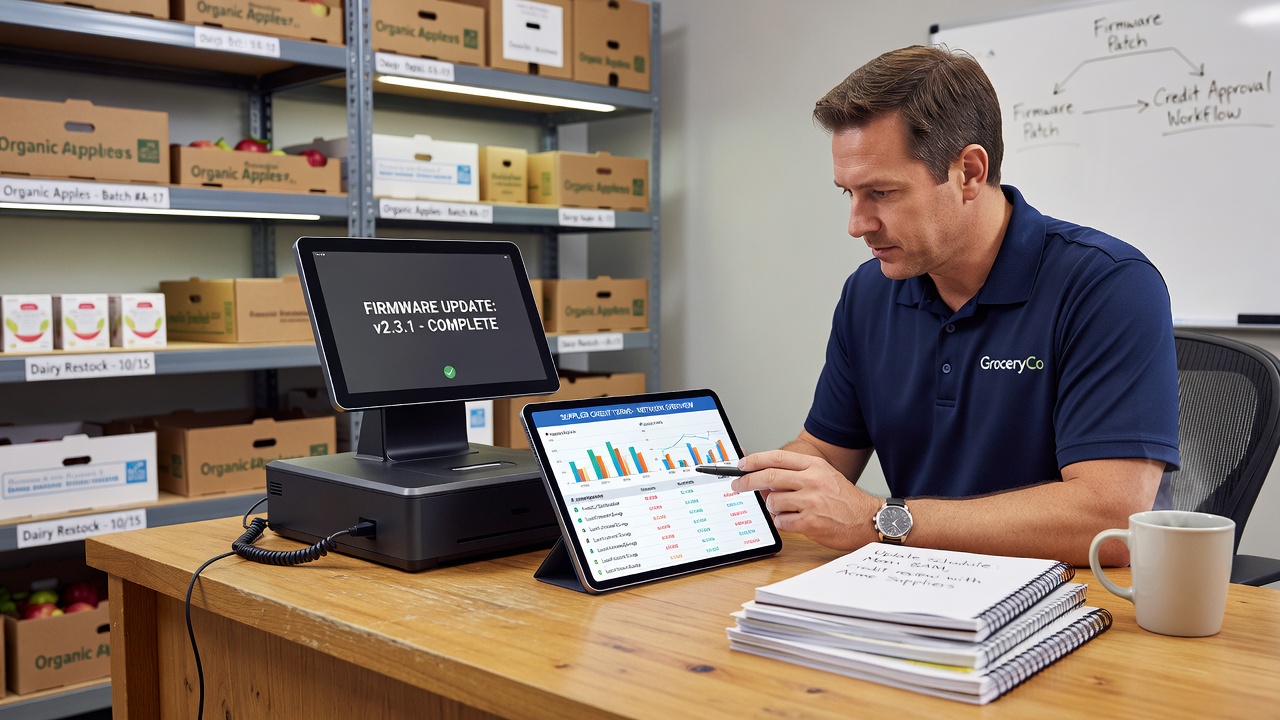
Independent grocery networks rely on point-of-sale terminals to process transactions, manage inventory, and communicate with suppliers, and firmware updates play a direct role in maintaining those connections. These updates address security vulnerabilities, improve transaction accuracy, and standardize data formats that suppliers use when evaluating credit applications from smaller operators.
How Firmware Updates Function in Retail Environments
Terminal firmware consists of embedded software that controls hardware functions such as card reading, receipt printing, and network connectivity. When vendors release new versions, they often patch encryption protocols, add support for emerging payment standards, and refine error-handling routines that prevent incomplete transaction records. Grocery operators in regional networks apply these updates through scheduled maintenance windows or remote deployment tools provided by their equipment manufacturers.
Data from the National Retail Federation shows that networks completing firmware updates within thirty days of release experience 18 percent fewer reconciliation discrepancies with suppliers. Those discrepancies matter because suppliers review transaction logs when setting payment terms and credit limits for independent stores.
The Link Between Update Compliance and Credit Evaluation
Suppliers assess risk by examining the consistency and security of a retailer's transaction data. Outdated firmware can produce incomplete or corrupted records, which triggers manual reviews and tighter credit conditions. In contrast, stores that maintain current firmware generate cleaner datasets that integrate directly into suppliers' automated scoring systems.
Research conducted by the Canadian Federation of Independent Grocers in 2025 found that networks reporting regular firmware maintenance received average payment terms extended by seven days compared with peers that delayed updates. The same study noted that suppliers in Ontario and British Columbia adjusted interest rates on revolving credit lines downward by 0.75 percentage points for operators demonstrating documented update histories.
Operational Impacts Observed in July 2026
During July 2026, several independent grocery cooperatives in the Midwest United States completed firmware rollouts that aligned with new EMV contactless specifications. These updates allowed terminals to transmit item-level sales data in standardized formats required by major produce and dairy suppliers. Networks that met the July deadline reported faster approval cycles for seasonal inventory financing, with average processing times dropping from fourteen days to nine days.
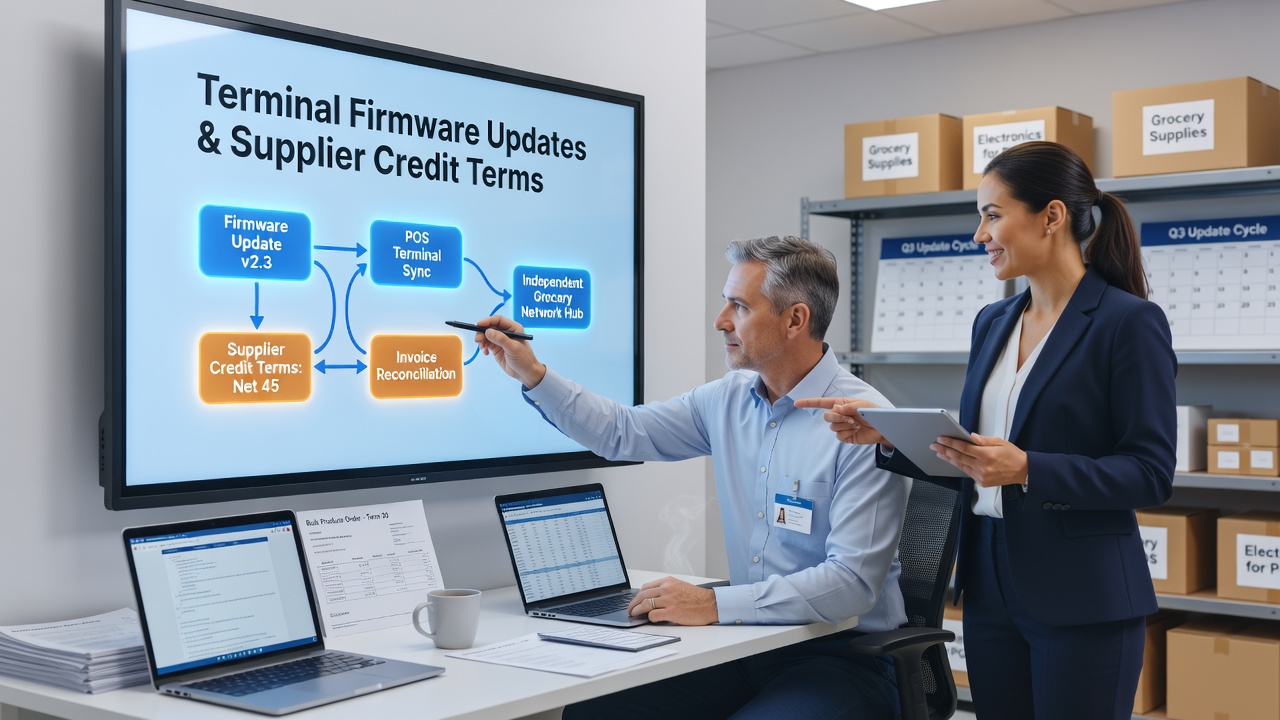
European grocery associations documented similar patterns. A report issued by the European Retail Institute indicated that stores using firmware versions released after January 2026 achieved higher compliance scores in supplier portals, which directly influenced the allocation of promotional allowances and extended credit facilities.
Case Examples from Regional Networks
One Midwest cooperative comprising twelve stores implemented automated firmware monitoring in early 2026. The system flagged devices requiring updates and generated compliance reports that were shared with three primary suppliers. Within four months, two suppliers increased the cooperative's credit ceiling by 12 percent and reduced the required security deposit on new accounts.
A separate network in Atlantic Canada adopted firmware that included enhanced audit logging features. Suppliers reviewing the resulting transaction trails identified fewer anomalies, which led to the removal of manual invoice verification steps and the restoration of standard thirty-day payment terms previously shortened due to data concerns.
Technical Requirements and Supplier Expectations
Many suppliers now list minimum firmware versions in their vendor onboarding documents. These requirements typically reference security certifications such as PCI PTS and specific data encryption standards. Networks that fail to meet listed versions receive provisional credit accounts until remediation occurs, which can delay access to volume discounts and marketing support programs.
Industry observers note that firmware documentation has become part of the standard information packet requested during annual credit reviews. Retailers maintain logs showing update dates, version numbers, and testing results to demonstrate ongoing compliance with supplier criteria.
Conclusion
Terminal firmware updates influence supplier credit terms by improving data reliability and meeting explicit compliance thresholds that suppliers use in risk assessments. Independent grocery networks that integrate update schedules into their operational routines generate records that align with supplier expectations, resulting in measurable differences in payment periods and credit availability. As firmware standards continue to evolve, the connection between technical maintenance and financing conditions remains a documented factor in supplier-retailer relationships across multiple regions.