12 Jul 2026
The Impact of Point-of-Sale Analytics on Determining Creditworthiness for Independent Retail Operators Seeking Expansion Capital
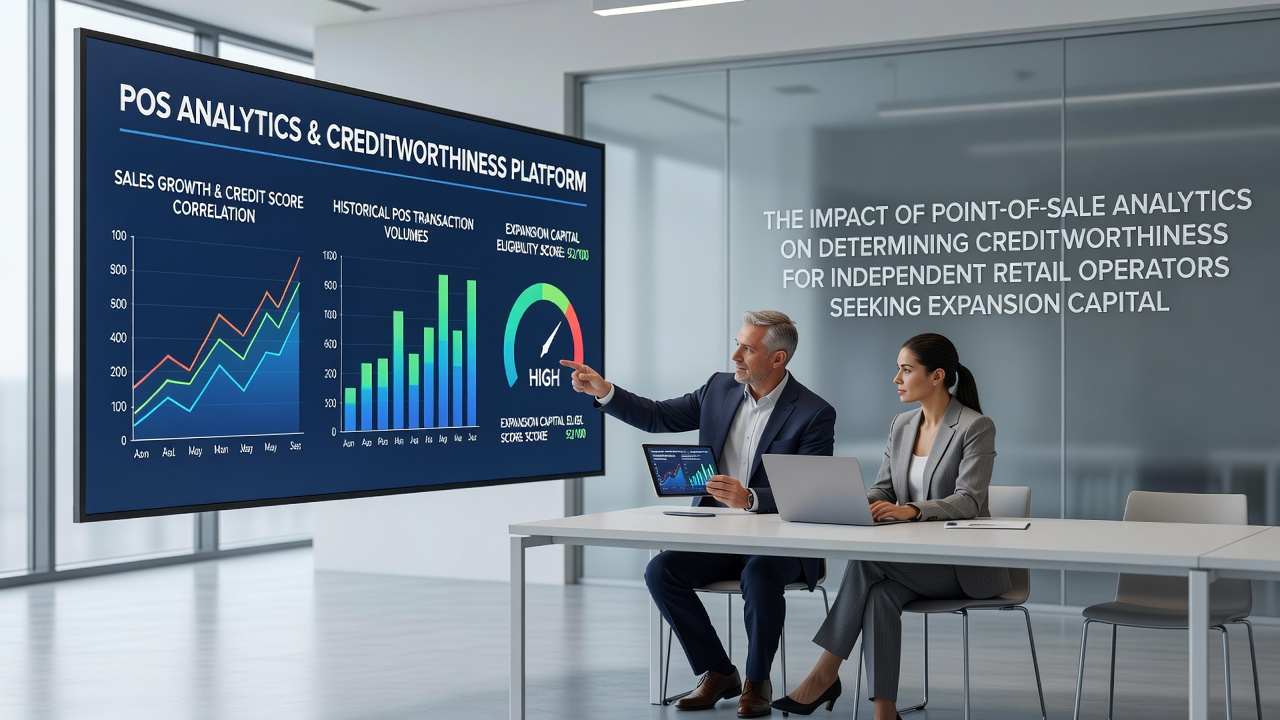
Point-of-sale systems now generate detailed transaction records that financial institutions examine when evaluating credit applications from independent retail operators, and these analytics help shape decisions around expansion capital by revealing patterns in daily operations and revenue consistency.
Core Components of POS Analytics in Credit Assessment
Transaction volume, average ticket size, and hourly sales distribution form the foundation of the datasets that lenders review, while inventory turnover rates derived from stock-keeping unit scans add another layer of visibility into operational efficiency. Researchers at various academic institutions have documented how these elements combine to create profiles that differ from traditional financial statements because they capture real-time activity rather than periodic summaries.
Payment method breakdowns, return frequencies, and customer repeat rates further refine the picture, and analysts often segment data by product category to identify concentration risks that might affect long-term repayment capacity. Government agencies such as the U.S. Small Business Administration have referenced similar data streams in reports on small business lending practices.
Application by Lenders and Capital Providers
Underwriting teams integrate POS feeds into automated scoring models that compare an operator's performance against industry benchmarks, and this process allows quicker identification of businesses demonstrating steady cash flow even when conventional credit scores remain moderate. Multiple studies show that operators with consistent peak-hour sales and diversified product mixes receive higher approval rates for term loans intended for store renovations or additional locations.
Seasonal fluctuation analysis plays a notable role for retailers in tourism-dependent regions, whereas urban operators face scrutiny on foot-traffic correlation metrics. Data from the Reserve Bank of Australia indicates that transaction-level granularity improves default prediction accuracy compared with balance-sheet reviews alone.
Geographic and Sector Variations in Data Utilization
Independent grocers and specialty apparel shops present distinct datasets, and lenders adjust weighting factors accordingly so that high-volume low-margin categories receive different treatment than premium niche offerings. Canadian regulatory filings from the Office of the Superintendent of Financial Institutions highlight how regional POS platforms feed standardized reports that support cross-border capital allocation decisions.
Operators seeking funds for equipment upgrades or inventory expansion often submit anonymized POS exports covering the prior twelve to twenty-four months, and these submissions reduce reliance on personal guarantees when historical patterns demonstrate resilience during economic shifts.

Integration with Broader Financial Ecosystems
Accounting software platforms increasingly pull POS information directly into cash-flow forecasting tools, and this linkage enables capital providers to monitor ongoing performance after funds are disbursed. Observers note that such continuous visibility supports revolving credit facilities tied to demonstrated sales thresholds rather than fixed collateral requirements.
By July 2026, several European banking consortia plan to pilot standardized POS data schemas that align with existing open-banking frameworks, which could streamline cross-border expansion financing for operators active in multiple markets. These pilots build on earlier work by the European Central Bank that examined real-time transaction data for credit risk modeling.
Operational Adjustments Driven by Analytics Feedback
Retail owners who receive detailed POS reports often adjust staffing schedules and promotional timing to smooth revenue curves, and these behavioral changes in turn influence subsequent credit evaluations because they demonstrate proactive management. Industry reports from trade associations document measurable improvements in approval odds for operators who implement data-driven inventory controls.
Yet challenges remain around data privacy compliance and format standardization across different hardware vendors, while smaller operators without dedicated IT staff sometimes encounter delays when compiling required exports for lender review.
Conclusion
Point-of-sale analytics continue to expand their role in creditworthiness determinations for independent retailers pursuing growth capital, and the combination of granular transaction metrics with established financial indicators produces assessments grounded in operational reality. As platforms evolve and regulatory alignment advances, the datasets available to lenders will likely become even more comprehensive, supporting more precise matching of capital products to the demonstrated performance profiles of individual operators.