20 May 2026
Tracing Transaction Verification Trends Across Digital Platforms for Targeted Merchant Capital Access
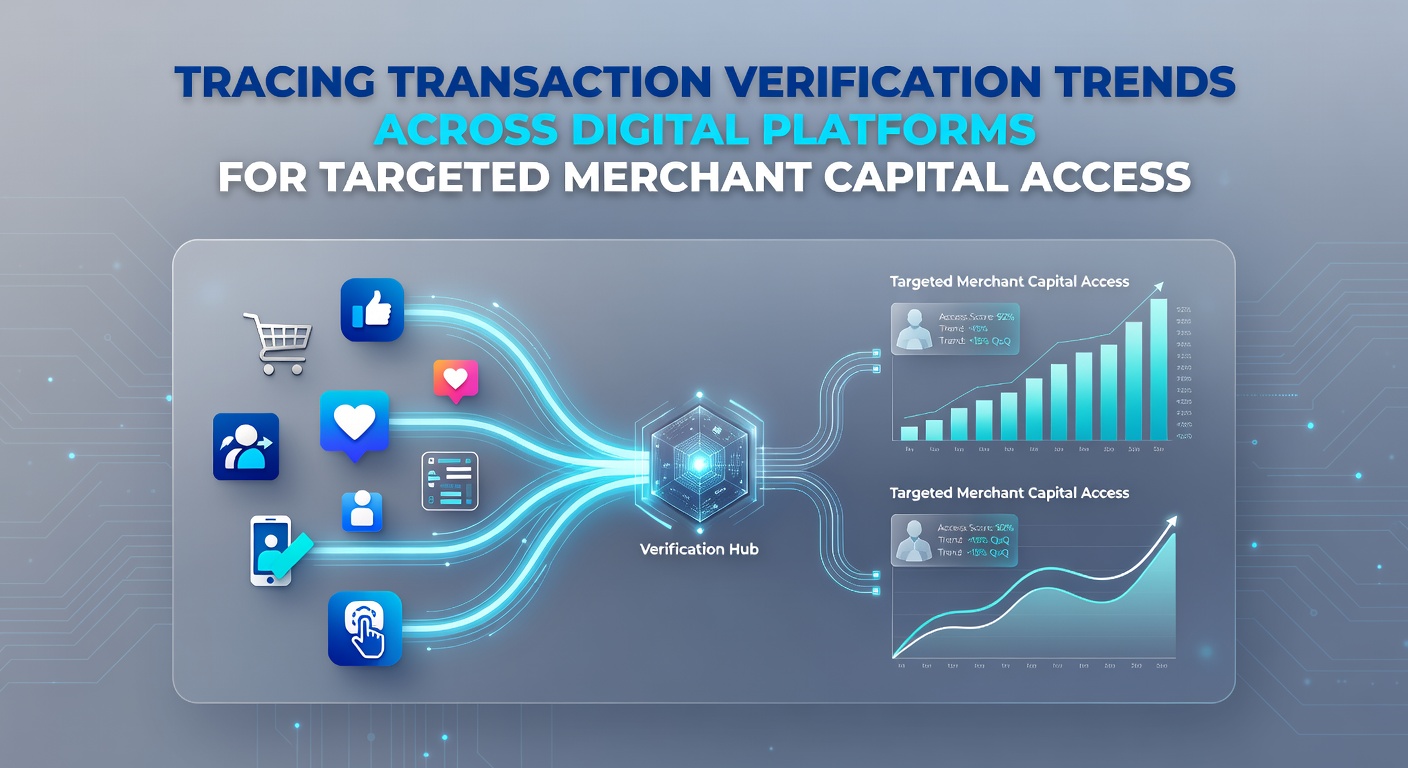
Digital platforms now integrate verification layers that pull real-time transaction data from e-commerce sites, mobile apps and cloud-based marketplaces, and this integration lets lenders assess merchant performance with greater precision than batch processing allowed in prior years. Researchers at institutions focused on financial technology track these shifts because verified sales records directly influence approval rates for working capital products that rely on future revenue projections rather than traditional credit scores.
Platform operators embed multi-factor authentication protocols alongside device fingerprinting and behavioral analytics so that each sale carries a verified timestamp and geolocation marker. Those markers reduce disputes while creating an auditable trail that capital providers review when they underwrite revenue-based advances or invoice financing facilities. In May 2026 several payment gateways rolled out standardized API endpoints that allow lenders to query verification status without storing raw card details, a step that aligns with data-minimization rules emerging across multiple jurisdictions.
Platform-Level Verification Shifts
Marketplaces such as subscription services and social commerce channels adopted continuous verification routines that cross-reference buyer IP patterns with historical purchase velocity. When these routines flag anomalies the transaction receives a lower trust score, and merchants who maintain high overall scores gain faster access to capital offers because funders treat the data set as lower risk. Observers note that verification frequency increased on platforms handling cross-border sales after regulators in the European Union and Australia introduced updated electronic commerce directives that emphasize transaction authenticity.
Payment processors respond by layering machine-learning models that analyze thousands of variables within milliseconds, including browser language settings and typical cart abandonment timing. The resulting verification score travels with the transaction record and becomes part of the dataset lenders examine when they calculate advance amounts. One study released by an academic research group in Canada showed that merchants whose transactions carried consistent verification metadata received funding decisions up to 40 percent quicker than peers submitting unverified batch reports.
Data Pipelines and Capital Allocation
Secure data pipelines now connect verified transaction streams directly to underwriting engines, eliminating manual file uploads that once delayed funding by several business days. Capital providers pull aggregated metrics such as average ticket size, refund ratios and peak-hour volume, all of which originate from verified records rather than self-reported summaries. Because the data carries cryptographic signatures, lenders can trace each figure back to its source platform without additional reconciliation steps.
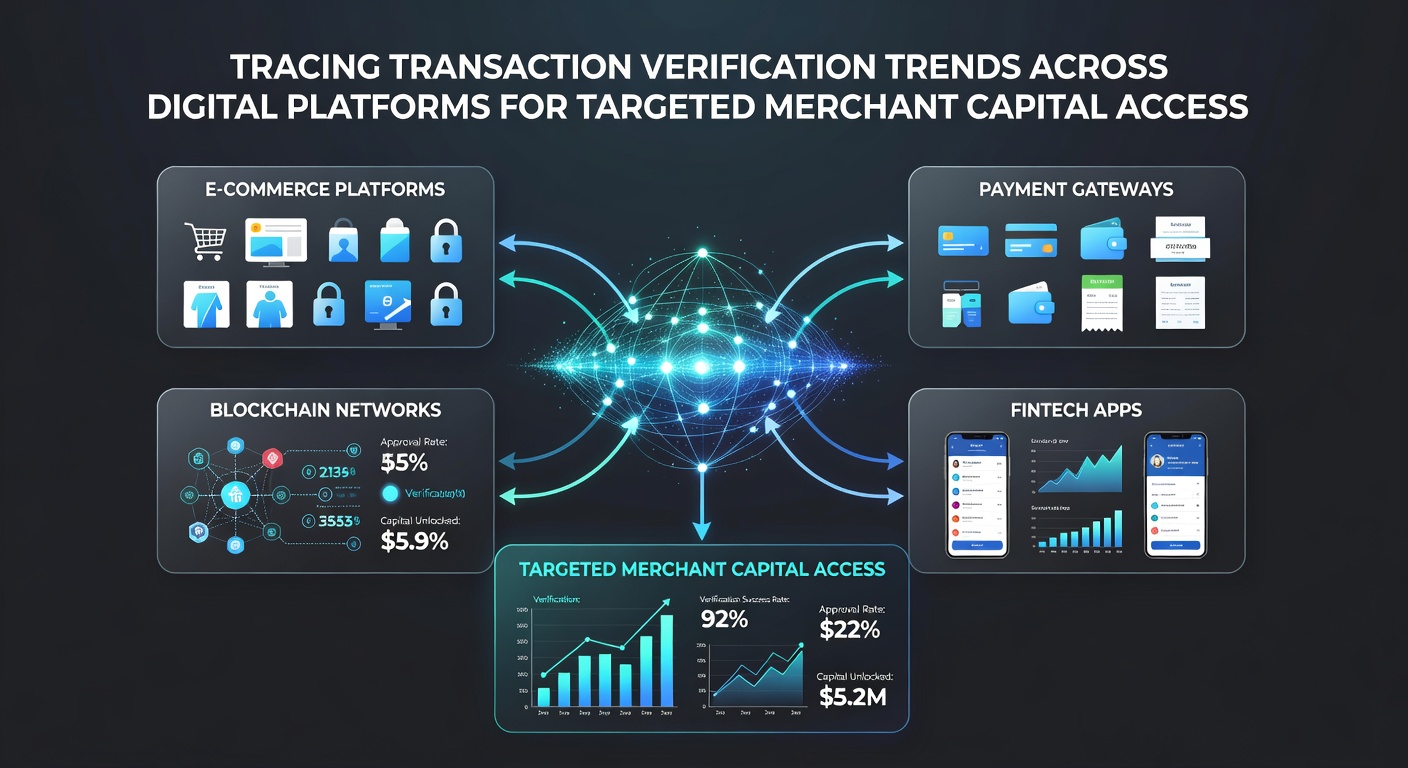
Targeted offers emerge when algorithms segment merchants according to verification consistency across channels. A retailer selling through both an online storefront and a third-party marketplace receives separate scores for each channel, and funders combine those scores to determine eligibility for blended financing products. This segmentation appears in practice among providers who specialize in high-volume digital sellers who operate on multiple continents.
Regulatory and Technical Backdrop
Central banks and financial regulators continue to refine standards for digital identity verification that affect how transaction data may be shared with non-bank lenders. Guidance issued by bodies in different regions emphasizes auditability while limiting the scope of personal data transferred, and these rules encourage platforms to adopt token-based verification that preserves merchant privacy yet still supplies the metrics capital markets require. As a result, the infrastructure supporting merchant capital access grows more selective, favoring operators who maintain robust verification histories.
Technical consortia formed by payment networks and software vendors promote open schemas for verification metadata so that data fields remain comparable across platforms. Merchants who adopt these schemas early see their transaction records accepted by a wider pool of funders, because the standardized format reduces integration costs on the lending side. Figures released by industry associations indicate rising adoption rates among mid-sized digital sellers during the first half of 2026.
Conclusion
Transaction verification trends across digital platforms continue to shape the criteria used for merchant capital access by supplying funders with granular, traceable performance signals. Platforms that maintain rigorous verification protocols generate datasets lenders can rely on when they structure advances or lines of credit tied to verified revenue. Merchants who align their operations with emerging verification standards position their transaction histories for broader financing options without relying on legacy documentation processes.