28 Jun 2026
Transaction Metadata Patterns Guiding Equipment Leasing Terms for Temporary Market Vendors
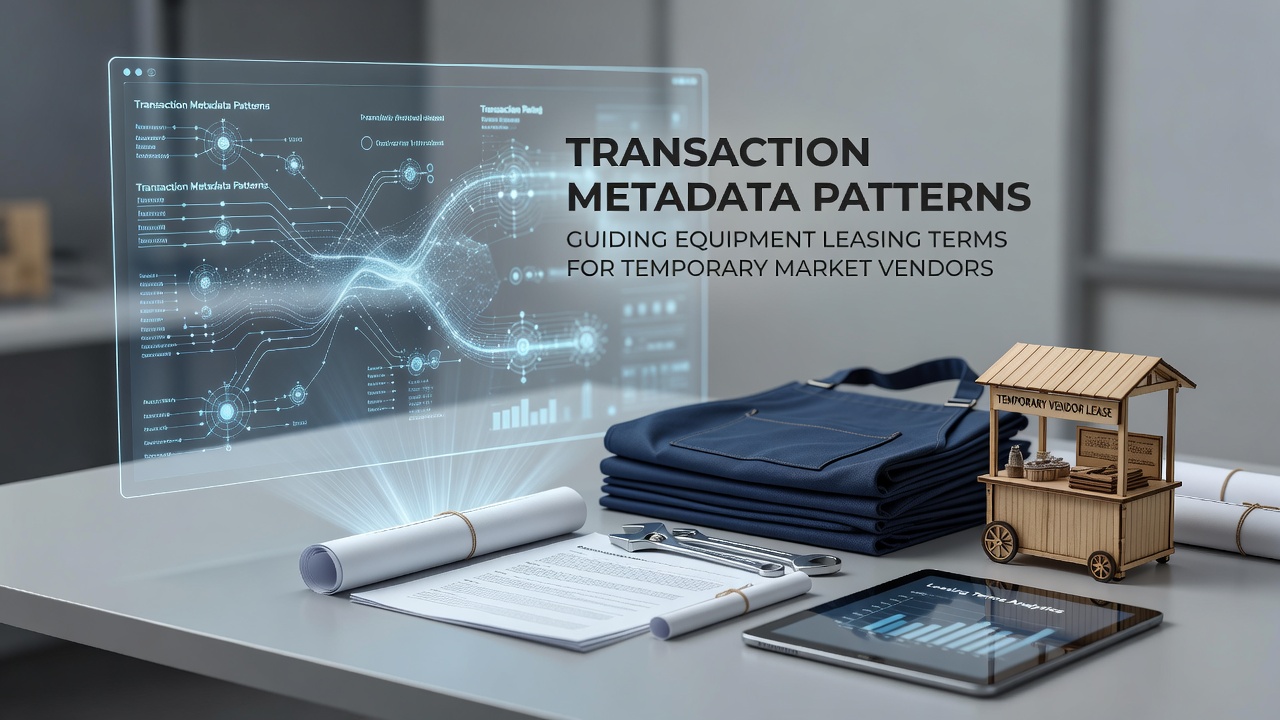
Transaction metadata from portable payment systems has started shaping leasing agreements for equipment used by temporary market vendors across seasonal events and pop-up retail settings. Vendors operating at farmers markets, craft fairs, and festival stalls generate streams of data that include timestamps, transaction volumes, average ticket sizes, and payment method distributions, and these details now inform how lessors structure monthly rates, security deposits, and contract durations for items like handheld terminals, mobile receipt printers, and lightweight inventory scanners.
Leasing companies review aggregated metadata to assess equipment utilization rates during short operational windows. A vendor processing 200 transactions per weekend with consistent evening peaks might receive adjusted terms compared to one with sporadic midday activity, because the patterns signal predictable return on the leased hardware. Data collected through standard payment gateways reveals these behaviors without exposing individual customer details, allowing lessors to align contract lengths with peak seasons that typically run from spring through fall in many regions.
Key Metadata Elements Influencing Lease Structures
Volume consistency stands out as a primary factor. Temporary vendors who demonstrate steady transaction counts across multiple events often qualify for lower per-unit leasing fees, since lessors view reliable usage as reduced risk of underutilized assets sitting idle between bookings. Average transaction value also plays a role, with higher-ticket sales suggesting greater revenue potential that supports more flexible payment schedules over the lease period.
Payment type distribution adds another layer. Markets where contactless and mobile wallet transactions dominate show faster processing speeds and lower error rates, prompting some lessors to offer bundled maintenance packages at reduced costs. Conversely, vendors relying heavily on card-present methods in high-traffic outdoor environments may encounter clauses requiring additional protective casings or extended warranty options baked into the agreement.
Geographic and temporal metadata further refines these terms. Records showing repeated activity at the same venue locations or during specific hours help lessors predict demand cycles, which in turn influences whether contracts include early termination fees or renewal incentives tied to continued participation in recurring markets.
Equipment Categories Affected by Pattern Analysis
Portable point-of-sale terminals represent the most common leased items tied to these metadata reviews. Temporary vendors frequently rent units equipped with cellular connectivity for locations lacking reliable Wi-Fi, and lessors examine session duration logs to determine whether shorter weekend-only contracts or multi-week arrangements better match observed usage.
Inventory management devices such as barcode scanners and tablet stands follow similar evaluation paths. Metadata indicating frequent stock updates during market hours signals higher wear on hardware, leading to lease terms that incorporate scheduled maintenance checkpoints. Receipt printers and cash drawers show patterns related to end-of-day reconciliation frequency, which lessors use to calibrate insurance requirements within the leasing package.
Market Trends Emerging in Mid-2026
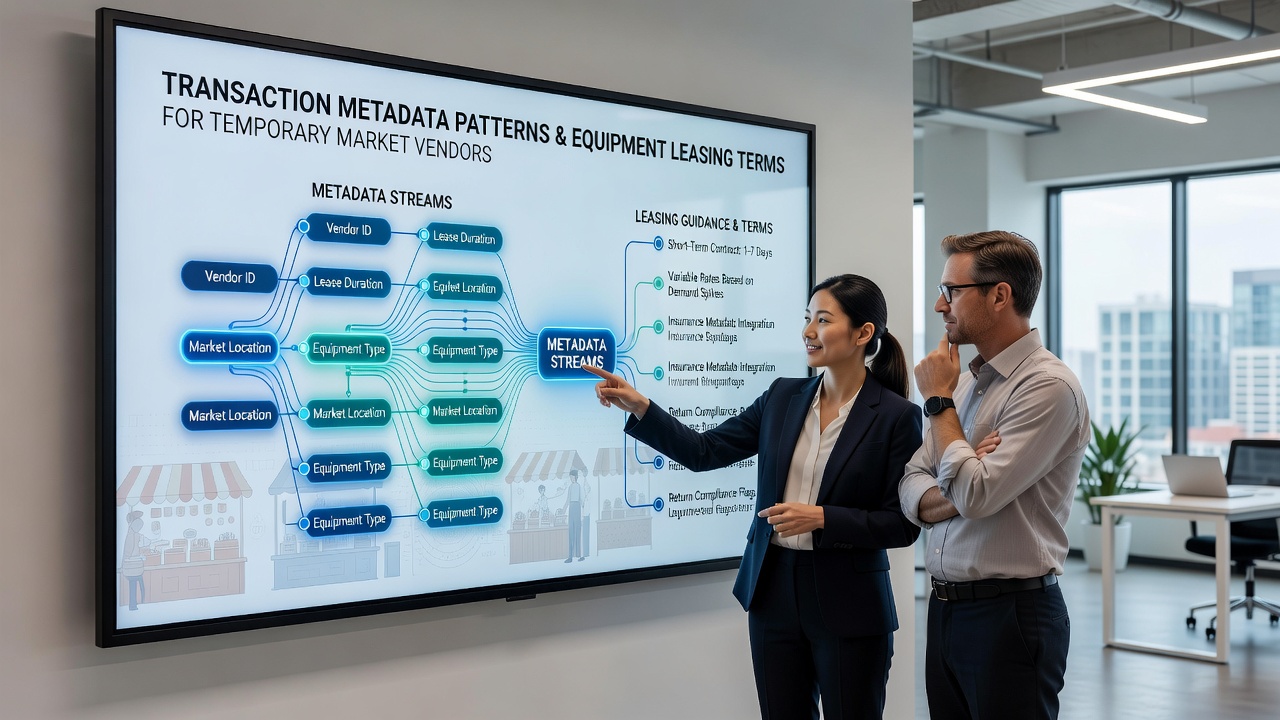
By June 2026, several leasing providers had begun integrating real-time metadata feeds into automated underwriting models for temporary vendor equipment. These systems cross-reference transaction timestamps against event calendars published by market organizers, allowing dynamic adjustments to rates based on upcoming festival density in a given area. Vendors operating across multiple jurisdictions benefit when metadata demonstrates cross-border consistency, as this reduces perceived operational friction for lessors managing equipment fleets.
Industry reports note that equipment return rates have declined in segments where metadata patterns aligned closely with contract expectations. Temporary vendors who maintain detailed records of their transaction flows find it easier to negotiate extensions or upgrades, because historical data provides clear evidence of equipment performance under actual market conditions. Regulatory frameworks in both North America and parts of Europe have encouraged standardized metadata reporting formats, which simplifies comparisons across different leasing providers.
Practical Applications for Vendors and Lessors
Lessors now request sample metadata exports during initial application reviews. These exports typically cover three to six months of activity and highlight metrics such as peak transaction hours, average items per sale, and refund frequencies. Vendors who prepare organized summaries often complete approval processes more quickly than those submitting raw logs.
One documented approach involves segmenting data by event type. A vendor participating in both weekday urban markets and weekend rural fairs can demonstrate how equipment handles varying network conditions and customer volumes, which supports requests for modular leasing options that allow swapping between different device configurations without full contract renegotiation.
Collaboration between market organizers and equipment providers has produced shared dashboards in some regions. These platforms aggregate anonymized transaction metadata to forecast equipment needs for upcoming seasons, helping lessors position inventory where demand patterns indicate the strongest utilization potential.
Conclusion
Transaction metadata continues to refine how leasing terms evolve for equipment serving temporary market vendors. Patterns extracted from everyday sales activity provide objective benchmarks that align contract conditions with actual usage realities, supporting more efficient allocation of portable hardware across seasonal retail networks. As data collection methods standardize further, both vendors and lessors gain clearer frameworks for matching equipment access to operational demands throughout the year.