15 May 2026
Turning Swipe Histories into Smart Loans: The Emerging Connection Between Retail Transactions and Merchant Financing

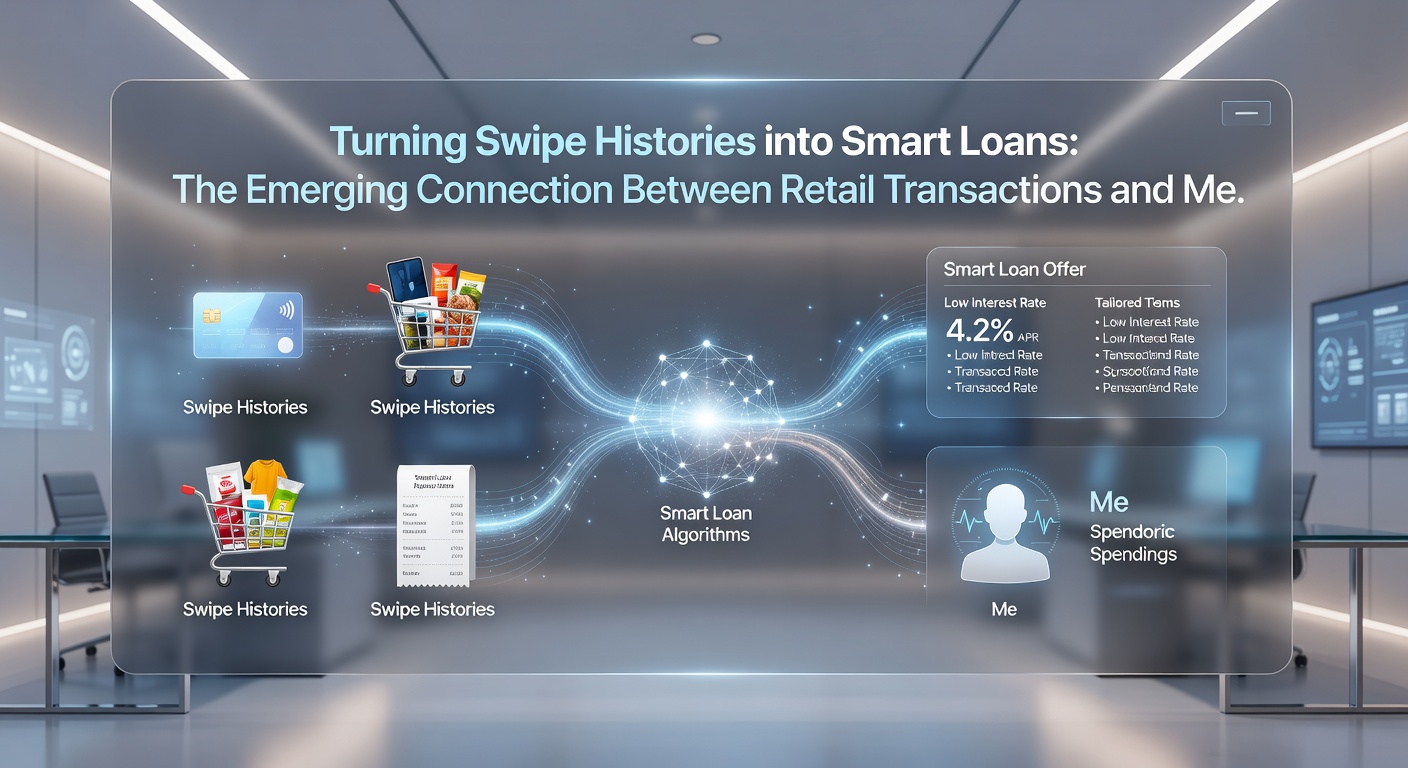
Retail transaction records have long served as basic sales logs, yet financial institutions now convert those same swipe histories into detailed underwriting tools that determine merchant loan eligibility and repayment terms. Payment processors capture every card swipe, cashless tap, and online checkout, creating datasets that reveal daily revenue patterns, customer traffic volumes, and seasonal fluctuations without requiring traditional credit applications.
Underwriters examine these streams to calculate cash-flow stability, which replaces or supplements FICO scores in many alternative lending models. A merchant processing $45,000 monthly through a single terminal demonstrates consistent repayment capacity when algorithms segment that volume into daily averages and project future inflows based on historical trends from the prior 12 to 24 months.
Data Sources Driving Loan Decisions
Point-of-sale terminals record more than purchase amounts; they log timestamps, payment types, average ticket sizes, and repeat customer indicators that feed directly into financing platforms. Lenders integrate these feeds through secure APIs, pulling anonymized aggregates while maintaining compliance with data protection rules established across North America and the European Union. In May 2026 regulators in several jurisdictions began requiring standardized data export formats, which accelerated platform adoption among smaller acquirers and independent software vendors.
One regional bank in Canada partnered with a national processor to pilot transaction-based lending for 1,200 grocery and convenience stores, resulting in approval rates 18 percent higher than those achieved through conventional documentation alone. The pilot demonstrated that merchants with steady debit-card volume but thin credit files gained access to working-capital advances ranging from $5,000 to $150,000, repaid automatically through a fixed percentage of future sales.
Underwriting Models and Risk Metrics
Algorithms weigh multiple variables extracted from swipe histories, including volatility of daily receipts, concentration of sales among top payment methods, and correlation between transaction counts and external economic indicators. Risk models assign scores based on these inputs, then determine advance amounts and holdback percentages that align repayment schedules with actual cash movement rather than fixed monthly installments.
Studies from the Federal Reserve Bank of New York indicate that transaction-derived metrics predict default rates with accuracy comparable to traditional small-business scoring when the dataset covers at least nine consecutive months. Merchants whose swipe data shows low seasonality and high repeat-transaction ratios receive larger facilities at lower effective costs, while those with erratic patterns face tighter limits or higher holdback rates.
Integration with Existing Payment Infrastructure
Modern gateways embed financing modules that activate once a merchant reaches defined sales thresholds, automatically presenting pre-qualified offers within the same dashboard used for batch settlement and reporting. This seamless connection reduces application friction and shortens funding timelines from weeks to as little as 48 hours after approval. Processors that adopted open-banking protocols now allow third-party lenders to receive encrypted transaction summaries without storing raw cardholder data, satisfying both security and privacy requirements.
Australian acquirers reported in early 2026 that 27 percent of their merchant portfolio had accepted at least one transaction-linked advance within the preceding calendar year, up from 9 percent two years earlier. The increase coincided with the rollout of real-time settlement features that make repayment deductions instantaneous and transparent to business owners.
Regulatory Landscape and Compliance Requirements
Financial conduct authorities in the United Kingdom and Singapore issued guidance clarifying that transaction-based lending falls under existing consumer-credit and small-business finance rules when repayment occurs through sales proceeds. These frameworks require clear disclosure of holdback percentages, total repayment estimates, and early-payoff calculations so merchants understand the cost structure before accepting funds. Data-sharing agreements must include opt-in consent and granular controls that let businesses revoke access without disrupting core processing services.
Industry associations such as the Electronic Transactions Association have published best-practice templates that standardize consent language and data-retention limits across platforms, helping smaller lenders meet audit expectations without building bespoke compliance systems.
Case Examples from Multiple Sectors
A chain of 14 independent pharmacies in the Midwest used six months of debit and credit volume to secure a $220,000 facility that funded inventory expansion ahead of flu season. Repayment occurred at 8 percent of daily card receipts until the advance plus fees cleared, after which the holdback automatically ceased. Similarly, a boutique fitness studio operator in Melbourne accessed a $35,000 advance after demonstrating consistent membership renewals processed through its point-of-sale system, allowing equipment upgrades without traditional collateral.
These examples illustrate how swipe-derived insights extend financing to businesses whose balance sheets lack fixed assets yet generate predictable payment flows. Observers note that sectors with high card penetration, such as quick-service restaurants and specialty retail, show the strongest uptake because their transaction records provide the richest datasets for modeling.
Future Developments Expected After 2026
Continued standardization of data formats will likely expand participation to community banks and credit unions that previously lacked technical resources to ingest live feeds. Emerging machine-learning techniques promise finer segmentation of risk, potentially incorporating weather, foot-traffic proxies, and supply-chain signals that correlate with swipe activity. As these capabilities mature, transaction histories may become the primary underwriting input for micro-loans under $10,000, further lowering barriers for sole proprietors and pop-up retailers.
Conclusion
The conversion of retail swipe histories into underwriting inputs has created a measurable pathway for merchants to obtain capital aligned with actual sales performance. Payment processors, lenders, and regulators continue refining the technical and policy frameworks that govern data access, risk assessment, and repayment mechanics. As adoption widens, transaction-based financing occupies an increasingly central position within the broader merchant-services ecosystem, connecting everyday card activity directly to working-capital availability.