26 Aug 2026
Voice-Enabled Retail Transactions: Connecting Biometric Authentication Patterns to Gateway Eligibility and Capital Pathways for Independent Sellers
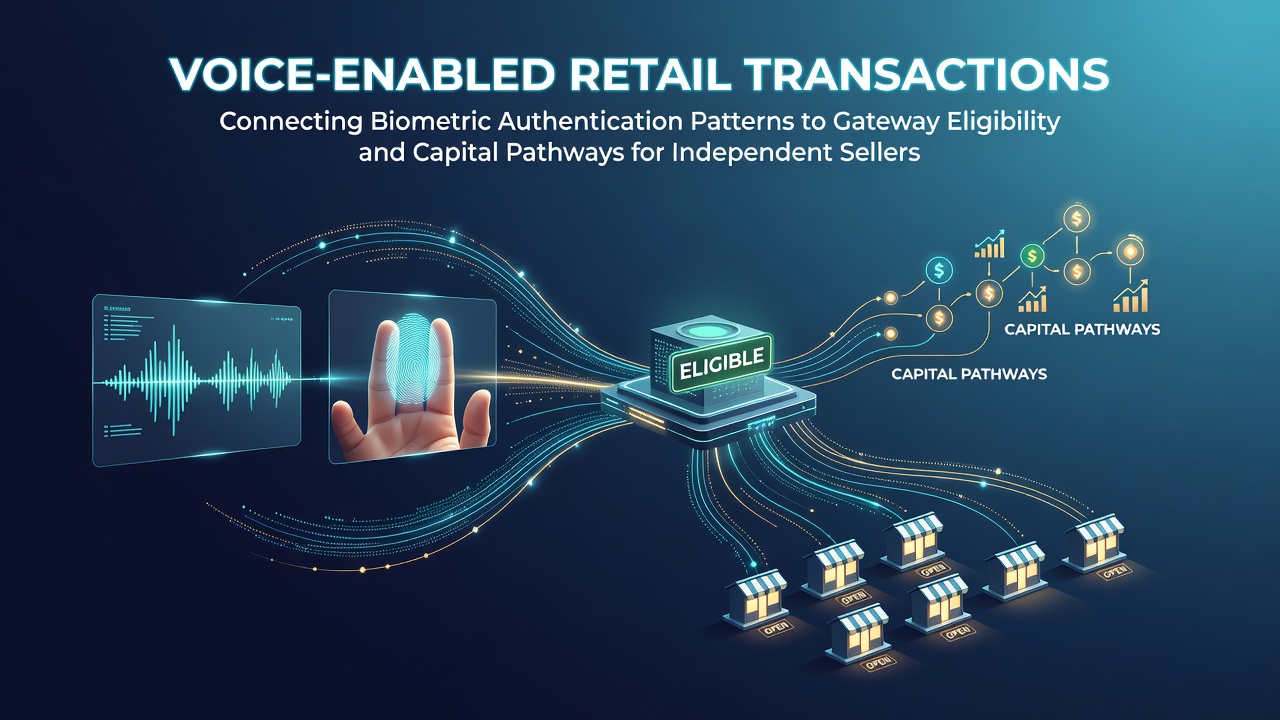
Voice-enabled retail transactions have expanded across independent seller networks since the mid-2020s, with biometric voice patterns now serving as a primary authentication layer during checkout. These systems capture vocal signatures alongside transaction details, and payment gateways incorporate the resulting data streams when evaluating merchant accounts for capital access programs. Observers note that the combination creates traceable records that influence risk scoring models used by lenders and processors alike.
Biometric Voice Patterns in Daily Retail Operations
Retailers deploy voice interfaces on handheld terminals and smart displays, allowing customers to confirm purchases through spoken commands while the system verifies identity via unique vocal characteristics. Data from these interactions includes frequency of successful authentications, error rates during peak hours, and consistency across repeated sales. Gateways receive aggregated feeds from such activity, and analysts compare them against historical benchmarks to determine eligibility thresholds for funding products. Researchers at institutions tracking payment technology adoption report that voice biometric success rates above 95 percent correlate with lower dispute volumes in merchant portfolios.
Independent sellers who integrate these tools often see their transaction logs reflect higher verification standards than those relying solely on PIN or signature methods. This distinction matters because capital providers examine authentication consistency as one indicator of operational stability. Figures from industry reports released in early 2026 show that merchants using voice biometrics experienced a measurable uptick in gateway approval rates for short-term advances during the preceding calendar year.
How Authentication Data Influences Gateway Decisions
Payment gateways evaluate biometric authentication patterns when assigning risk categories that directly affect capital pathway options. Consistent voice verification across multiple locations signals reliable fraud controls, whereas sporadic failures or fallback usage can flag accounts for additional scrutiny. Lenders then cross-reference these metrics with sales volume and customer retention data before extending offers for merchant cash advances or term loans. According to analyses from the Australian Payments Network, authentication-related variables now appear in approximately 40 percent of gateway underwriting models reviewed in 2025.
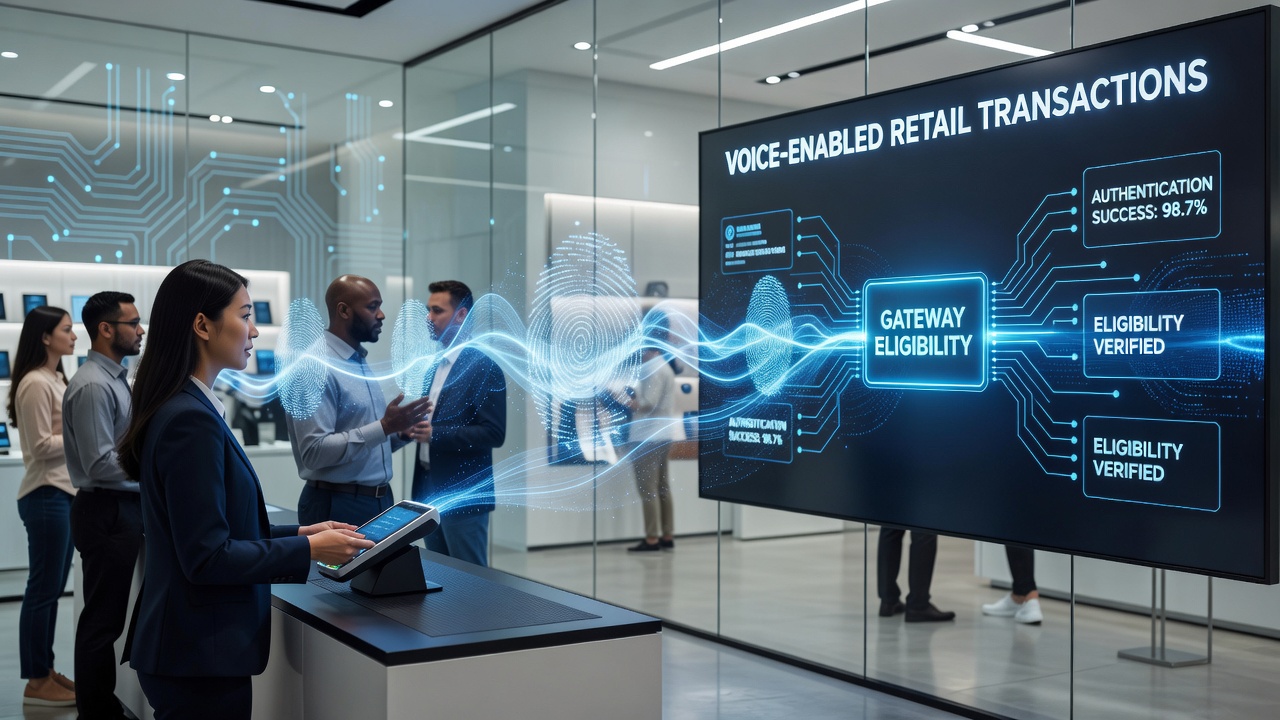
Those who study these systems observe that voice data provides an additional dimension beyond traditional swipe or tap records. Patterns such as average transaction duration, time-of-day verification accuracy, and device-specific voice match rates feed into algorithmic assessments. Gateways that prioritize this information tend to extend faster capital approvals to sellers demonstrating steady biometric performance, while accounts with irregular patterns face longer review cycles or reduced advance percentages.
Capital Access Pathways Shaped by Voice Transaction Records
Independent sellers seeking working capital now submit voice-enabled transaction histories alongside standard financial statements. Providers review these records to assess not only revenue trends but also the robustness of identity verification processes. Data indicates that merchants with strong biometric compliance scores qualify for lower discount rates on advances and quicker funding disbursements. A 2025 study from the University of Toronto's Rotman School of Management examined over 2,000 small retail accounts and found that voice authentication consistency ranked among the top five variables predicting loan renewal success.
Regional variations appear as well. Sellers operating in markets with stricter data protection rules, such as those aligned with European standards, must anonymize voice templates before sharing aggregated insights with gateways. This requirement adds a compliance layer that affects how quickly capital pathways open, yet it also encourages standardized reporting practices across platforms. Observers tracking these developments note that gateways have adjusted their eligibility criteria in response, incorporating regional biometric regulations into their scoring frameworks by August 2026.
Integration Challenges and Emerging Standards
Small operators encounter technical hurdles when connecting voice systems to existing gateway infrastructure. Compatibility issues arise between different biometric vendors and legacy point-of-sale software, leading some sellers to maintain parallel verification methods. Despite these obstacles, industry groups have begun publishing interoperability guidelines that streamline data exchange. These guidelines help ensure that authentication patterns reach capital decision-makers in usable formats without compromising individual transaction privacy.
Training requirements also factor into long-term eligibility. Staff accustomed to traditional checkouts need instruction on voice system calibration and troubleshooting, and gateways sometimes request evidence of such training when reviewing capital applications. Records showing regular system updates and staff certification correlate with smoother approval processes, according to documentation shared among processor networks.
Conclusion
Voice-enabled retail transactions continue to generate biometric authentication data that gateways incorporate into eligibility assessments and capital allocation decisions. Independent sellers who maintain high verification standards and comply with data-sharing protocols position themselves for broader financing options. As these systems mature, the connection between voice pattern reliability and merchant capital pathways is expected to strengthen through standardized reporting and refined risk models.